
If you feel like you’re doing everything right—eating clean, exercising regularly—but the scale refuses to budge, you’re not alone. It’s a frustrating cycle that can leave you feeling defeated. But what if the root of the problem isn’t the calories you’re counting or the miles you’re running? What if it’s something deeper? For millions, the missing piece of the weight loss puzzle lies within the gut. Recognizing the signs of an unhealthy gut is the first step toward finally achieving your health goals.
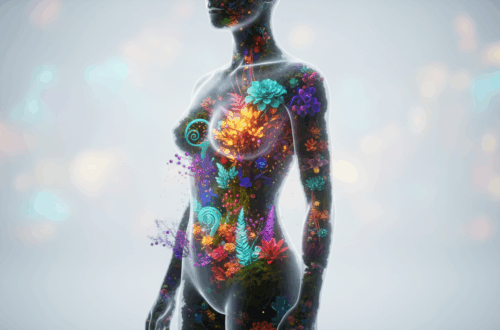
Your digestive system is more than just a food processing plant; it’s a complex ecosystem, home to trillions of bacteria known as the gut microbiome. When this ecosystem is in balance, it supports everything from your immune system to your mood. But when it’s out of balance, it can lead to a cascade of issues, including stubborn weight gain.
What Is Gut Health and Why Does It Matter for Weight?
Think of your gut microbiome as a delicate garden. When you nourish it with the right foods and lifestyle habits, beneficial bacteria (“probiotics”) flourish. These good bacteria help you digest food, absorb nutrients, and even regulate your metabolism. However, factors like stress, poor diet, and certain medications can allow harmful bacteria to take over, disrupting this delicate balance.
This imbalance, often called dysbiosis, can lead to increased inflammation and a condition known as “leaky gut,” where the intestinal lining becomes more permeable. Researchers suggest this can directly impact your ability to lose weight by altering how your body stores fat, balances blood sugar, and responds to hunger cues.
5 Key Signs of an Unhealthy Gut You Shouldn’t Ignore
How do you know if your gut is the culprit behind your health struggles? It often sends clear signals. Here are five common signs of an unhealthy gut that may be sabotaging your weight loss efforts.
1. Persistent Bloating and Gas
Occasional bloating is normal, but if you constantly feel gassy, distended, and uncomfortable after meals, it’s a major red flag. This often happens when your gut struggles to digest certain foods, leading to fermentation by overgrown “bad” bacteria. This process produces excess gas, causing that familiar and uncomfortable swollen feeling.
2. Stubborn Weight Gain, Especially Belly Fat
This is one of the most frustrating signs. An imbalanced microbiome can disrupt the hormones that regulate appetite and fat storage. Your body may become less sensitive to insulin, prompting it to store more calories as fat, particularly around the abdomen. Furthermore, inflammation originating in the gut can throw your entire metabolism off-kilter, making weight loss feel like an uphill battle no matter how hard you try.
3. Constant Fatigue and Low Energy
Do you feel tired all the time, even after a full night’s sleep? Your gut could be to blame. Your gut microbiome plays a role in producing B vitamins, which are crucial for energy production. A poorly functioning gut also struggles to absorb essential nutrients from your food, leaving you feeling drained and sluggish. The chronic, low-grade inflammation associated with dysbiosis is also a significant energy drain.

4. Skin Irritations like Acne or Rosacea
Your skin is often a mirror of what’s happening inside your gut. The “gut-skin axis” is a well-established connection. Inflammation that starts in the gut can manifest on your skin, triggering or worsening conditions like acne, eczema, and rosacea. If you’re dealing with persistent skin problems that don’t respond to topical treatments, it might be time to look inward.
5. Intense Food Cravings, Especially for Sugar
Unhealthy gut bacteria thrive on sugar and processed foods. When these microbes dominate your gut, they can send powerful signals to your brain, creating intense cravings for the very foods they feed on. This can create a vicious cycle: you eat sugar, which feeds the bad bacteria, which then makes you crave even more sugar, all while sabotaging your health and weight loss goals.
The “Leaky Gut” Connection: How Imbalance Leads to Problems
The concept of a “leaky gut” is central to understanding how these issues connect. A healthy gut has tight junctions between the cells of its lining, acting as a gatekeeper that controls what gets absorbed into the bloodstream. When dysbiosis and inflammation take hold, these junctions can loosen.
This increased permeability allows undigested food particles, toxins, and bacteria to “leak” into your bloodstream, triggering an immune response. Your body perceives these as foreign invaders, launching an inflammatory attack that can be body-wide. This chronic inflammation is a key driver of weight gain, insulin resistance, and many of the other symptoms discussed above.
How to Restore Your Gut for Better Health and Weight Management
The good news is that you have the power to improve your gut health. Making targeted changes to your diet and lifestyle can help you rebalance your microbiome and support your body’s natural ability to heal.
Focus on a Fiber-Rich Diet
Beneficial gut bacteria love fiber, particularly prebiotic fiber found in foods like onions, garlic, bananas, and asparagus. Eating a wide variety of plant-based foods provides the fuel your good microbes need to thrive. Fermented foods like yogurt, kefir, and kimchi are also excellent sources of natural probiotics.
Reduce Stress and Prioritize Sleep
The gut-brain axis is a two-way street. Chronic stress can negatively impact your gut bacteria, and a lack of sleep can disrupt your microbiome’s natural rhythm. Incorporating stress-management techniques like meditation or yoga and aiming for 7-9 hours of quality sleep per night can make a significant difference.
Consider Targeted Probiotic and Prebiotic Support
While diet is foundational, sometimes your gut needs an extra boost to restore balance. A high-quality supplement containing both probiotics (the good bacteria) and prebiotics (the food for the good bacteria) can be a powerful tool. This synergistic approach helps ensure that beneficial bacteria can not only colonize your gut but also flourish there.
For those looking for a comprehensive formula, products like PrimeBiome are designed specifically to address the complex needs of the gut. It combines several strains of beneficial probiotic bacteria with prebiotics to help re-establish a healthy gut equilibrium, which can in turn support digestive comfort and healthy weight management. As always, it’s wise to consult with a healthcare professional before starting any new supplement regimen to ensure it’s right for you.
Conclusion: Your Path to a Healthier You Starts in the Gut
If you’ve been struggling with your weight and well-being, it’s time to stop blaming yourself and start looking at the root cause. The bloating, fatigue, and stubborn fat may not be a sign of failure, but rather clear signs of an unhealthy gut crying out for help. By listening to your body’s signals and taking proactive steps to nourish your microbiome, you can finally break the cycle of frustration and unlock a healthier, more vibrant you. Supporting your gut isn’t just about digestion; it’s about supporting your entire body’s journey toward balance and wellness.
Frequently Asked Questions (FAQ)
What are the main causes of an unhealthy gut?
The most common causes include a diet high in processed foods, sugar, and unhealthy fats; chronic stress; insufficient sleep; overuse of antibiotics; and a lack of dietary fiber and prebiotics.
How long does it take to improve gut health?
While some people may notice improvements in digestion within a few days of making positive changes, significant rebalancing of the microbiome can take several weeks to months. Consistency with diet, lifestyle, and supportive supplements is key.
Is a supplement always necessary to fix gut health?
A whole-foods, fiber-rich diet is the most important factor. However, a targeted probiotic and prebiotic supplement can provide a significant advantage, especially when trying to overcome a significant imbalance or support specific health goals like weight management. It’s best to discuss with a healthcare provider to see if it’s a suitable option for your individual needs.