Understanding the Core of Your Well-being
It’s easy to dismiss persistent bloating, fatigue, or skin irritations as just a normal part of life. We often blame stress, a poor night’s sleep, or something we ate yesterday. But what if these seemingly unrelated issues are all pointing to a single, central problem? Your body might be sending you clear messages, and learning to interpret these signals is the first step toward reclaiming your vitality. Many of these signals are actually the key signs of an unhealthy gut, an issue that impacts far more than just your digestion.
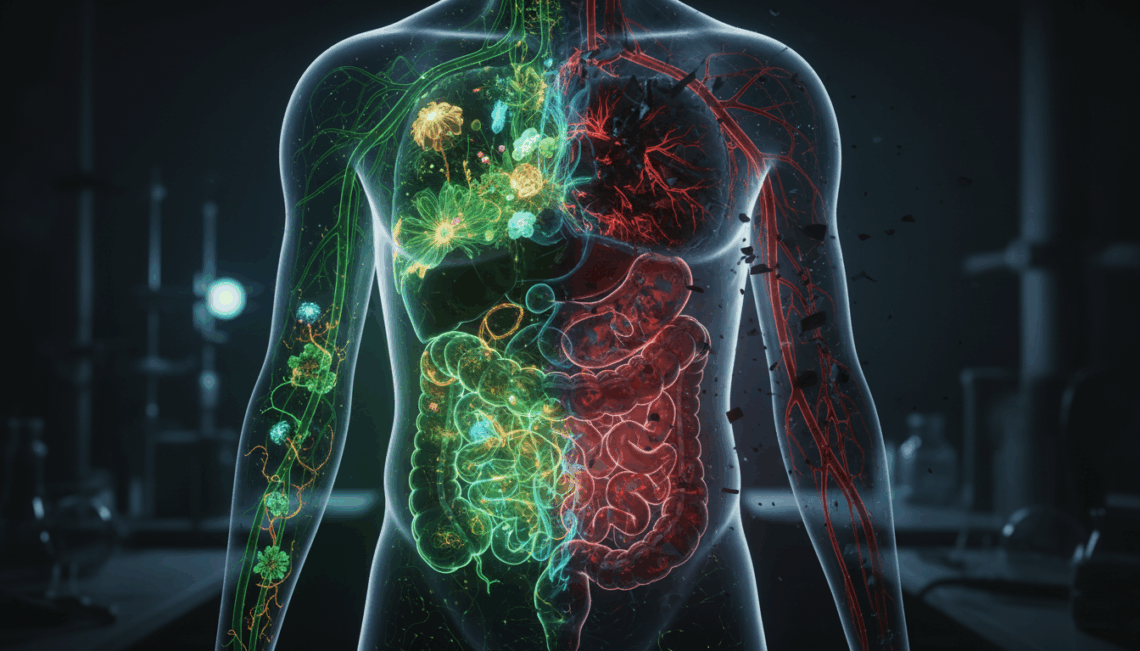
The gut, often called our “second brain,” is a complex ecosystem home to trillions of bacteria. When this microbiome is in balance, it supports everything from our immune system and mood to our metabolism and skin clarity. However, when it’s out of balance—a condition known as dysbiosis—it can trigger a cascade of problems throughout the body. Ignoring these signs won’t make them go away; it often allows the root cause to become more entrenched. This article will guide you through the five most common warning signs of an unhealthy gut and explore how you can begin to restore harmony from within.
1. Persistent Digestive Discomfort
This is perhaps the most obvious sign, yet it’s one many people learn to live with. If you frequently experience gas, bloating, constipation, diarrhea, or heartburn, your gut is waving a red flag. These symptoms often indicate that your digestive system is struggling to process food properly and that there may be an imbalance between the good and bad bacteria in your gut.
A healthy gut efficiently breaks down food and absorbs nutrients without causing distress. When bad bacteria or yeast overgrow, they can produce excess gas, leading to uncomfortable bloating and cramping. Chronic constipation or diarrhea suggests that waste isn’t moving through your system at the right pace, which can be another indicator of an imbalanced microbiome or a damaged gut lining.
2. Unexplained Skin Irritation and Blemishes
Have you ever noticed a breakout or a flare-up of eczema after a period of poor eating? This is the “gut-skin axis” in action. Your skin is often a mirror of what’s happening inside your digestive tract. Inflammation that starts in the gut can manifest directly on your skin.
Conditions like acne, rosacea, psoriasis, and eczema have all been linked to gut health. When the gut lining becomes permeable (a condition often called “leaky gut”), toxins and undigested food particles can escape into the bloodstream. This triggers an inflammatory response from the immune system, which can show up on your skin. So, if you’re treating your skin topically with no lasting results, the root cause might be internal.

3. Constant Fatigue and Brain Fog
If you feel tired all the time, even after a full night’s sleep, your gut might be the culprit. The gut plays a crucial role in energy production and is also where a significant portion of your serotonin—the “feel-good” neurotransmitter—is produced. An imbalanced gut can impair nutrient absorption, particularly of B vitamins, which are vital for energy.
Furthermore, chronic inflammation originating from the gut can drain your body’s resources, leaving you feeling perpetually exhausted. This “brain fog” or difficulty concentrating is another aspect of the gut-brain axis. The constant inflammatory signals can interfere with cognitive function, making it hard to feel sharp and focused.
4. Unintentional Weight Changes
The gut microbiome has a profound impact on metabolism and weight regulation. If you’re gaining or losing weight without making significant changes to your diet or exercise routine, it could be one of the more subtle signs of an unhealthy gut.
An imbalanced gut can disrupt your body’s ability to absorb nutrients, store fat, and regulate blood sugar. Some types of gut bacteria are more efficient at extracting calories from food, which can lead to weight gain. Conversely, an overgrowth of other microbes or a compromised gut lining can lead to malabsorption and unintentional weight loss. Restoring balance is key to achieving a stable, healthy weight.
5. Intense Sugar Cravings
Do you constantly crave sugar and highly processed carbohydrates? These cravings may not just be a matter of willpower. The “bad” bacteria and yeast in your gut thrive on sugar. When they multiply, they can send signals to your brain that increase your desire for the very foods that help them grow, creating a vicious cycle that is difficult to break.
By feeding these unhealthy microbes, you further fuel the imbalance, which can exacerbate all the other symptoms on this list. Reducing sugar intake and focusing on nutrient-dense foods is essential, but addressing the underlying gut imbalance can make these powerful cravings much easier to manage.
How to Begin Restoring Your Gut Health
Recognizing the signs is the crucial first step. The next is taking action. A holistic approach that includes a balanced diet rich in fiber, adequate hydration, stress management, and sufficient sleep is fundamental. However, when your gut has been out of balance for a long time, it often needs more targeted support to heal the gut lining and repopulate the microbiome with beneficial bacteria.
This is where a dedicated formula can make a significant difference. You need a solution that not only provides beneficial probiotics but also nourishes the gut lining and helps create an environment where good bacteria can thrive. A comprehensive approach is necessary to break the cycle of inflammation and dysbiosis.
Products like PrimeBiome are designed with this in mind. It combines powerful probiotics (like L. Acidophilus and B. Longum) to reintroduce healthy bacteria with ingredients like Slippery Elm Bark and Marshmallow Root, which are traditionally used to soothe and support the integrity of the gut lining. By addressing both the bacterial imbalance and the health of the gut wall, you create a foundation for lasting wellness and help your body finally find its equilibrium.
Taking control of your gut health is one of the most powerful things you can do for your overall well-being. It’s not about a quick fix but about providing your body with the consistent support it needs to heal and function optimally. When you address the root cause, you’ll be amazed at how many other health issues begin to resolve on their own.
Frequently Asked Questions
Can I improve my gut health through diet alone?
Diet is the cornerstone of gut health. Eating a diverse range of fiber-rich plant foods, fermented foods, and lean proteins can significantly help. However, if you have a significant imbalance or a compromised gut lining, a targeted supplement can provide the concentrated support needed to accelerate the healing process alongside a healthy diet.
How long does it take to see improvements in gut health?
This varies for everyone depending on the individual’s state of health and lifestyle. Some people may notice improvements in digestion and energy within a few weeks, while for others, it may take a few months of consistent effort to see significant changes in issues like skin health or brain fog.
Is stress really a factor in gut health?
Absolutely. The gut and brain are in constant communication. Chronic stress can negatively alter your gut bacteria, increase gut lining permeability, and worsen digestive symptoms. Incorporating stress-management techniques like meditation, yoga, or deep breathing is a vital part of any gut-healing protocol.
Disclaimer: This article is for informational purposes only and does not constitute medical advice. The information contained herein is not intended to diagnose, treat, cure, or prevent any disease. Please consult with a qualified healthcare professional before making any changes to your diet, supplement regimen, or lifestyle.