
Understanding the Core of Your Well-being
It’s easy to think of our gut as a simple system for digestion, but it’s so much more. This complex ecosystem, often called our “second brain,” influences everything from our mood and immune system to the clarity of our skin. When it’s out of balance, the effects can ripple throughout your entire body. Recognizing the early signs of an unhealthy gut is the first and most critical step toward restoring your vitality and overall health. Many of us dismiss these symptoms as normal daily annoyances, but they are often your body’s way of sending out a distress signal.
What Is Gut Health and Why Is It So Important?
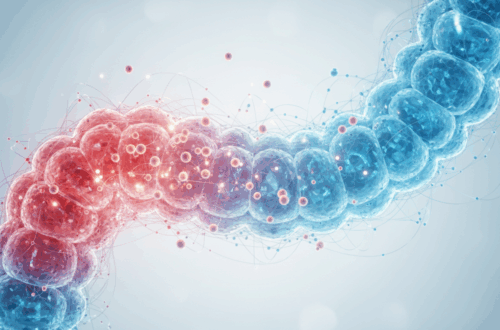
Gut health refers to the balance of microorganisms that live in your digestive tract. Your gut is home to trillions of bacteria, fungi, and other microbes, collectively known as the gut microbiome. In a healthy gut, these microorganisms live in harmony, helping to digest food, produce essential vitamins, and protect against disease-causing invaders. However, factors like a poor diet, stress, lack of sleep, and certain medications can disrupt this delicate balance, leading to a condition known as dysbiosis.
This imbalance can compromise your gut lining, a critical barrier that controls what enters your bloodstream. When this barrier is damaged—a condition often referred to as “leaky gut”—undigested food particles, toxins, and bacteria can pass into your circulation, triggering inflammation and a host of health problems far beyond the digestive system.
The 7 Telltale Signs of an Unhealthy Gut
Your body has subtle (and not-so-subtle) ways of telling you that something is amiss in your gut. Here are some of the most common warning signs to watch for.
1. Persistent Digestive Discomfort
This is the most obvious sign. Frequent bloating, gas, constipation, diarrhea, and heartburn are classic indicators that your gut is struggling. While occasional digestive upset is normal, chronic discomfort suggests that your gut microbiome is out of balance and may not be processing food efficiently.
2. Unexplained Skin Irritation
Your skin is often a mirror of your internal health. An unhealthy gut can manifest externally, contributing to inflammatory skin conditions like acne, eczema, rosacea, and psoriasis. The inflammation that starts in the gut can travel through the bloodstream and trigger skin flare-ups.
3. Constant Fatigue and Poor Sleep
Do you feel tired all the time, even after a full night’s rest? An unhealthy gut could be to blame. A significant portion of your body’s serotonin, a hormone that affects mood and sleep, is produced in the gut. An imbalanced microbiome can impair serotonin production, leading to fatigue and disrupting your sleep patterns, particularly insomnia or poor-quality sleep.
4. Unintentional Weight Changes
Gaining or losing weight without making significant changes to your diet or exercise routine can be one of the key signs of an unhealthy gut. An imbalanced gut can impair your body’s ability to absorb nutrients, regulate blood sugar, and store fat. Some types of gut bacteria are more efficient at harvesting calories from food, which can lead to weight gain, while a damaged gut lining can lead to malabsorption and weight loss.

5. Frequent Sugar Cravings
The bacteria in your gut can influence your cravings. An overgrowth of certain types of “bad” bacteria, particularly yeast, can lead to intense cravings for sugar and processed carbohydrates. These microbes feed on sugar, so when they multiply, they send signals to your brain demanding more of their preferred fuel source, creating a vicious cycle that further disrupts gut balance.
6. Mood Swings, Anxiety, and Brain Fog
The gut-brain axis is a powerful connection. Chronic gut inflammation can affect your mental and emotional health, contributing to mood swings, anxiety, and even depression. Furthermore, the “brain fog” that makes it hard to concentrate or remember things can be linked to the inflammatory signals originating from a distressed gut.
7. Weakened Immune System
Approximately 70% of your immune system resides in your gut. A healthy microbiome is essential for a robust immune response. If you find yourself getting sick frequently, it might be a sign that your gut health is compromised, leaving you more vulnerable to infections and viruses.
The Root Cause: Understanding Leaky Gut Syndrome
Many of the signs of an unhealthy gut can be traced back to increased intestinal permeability, or “leaky gut.” The walls of your intestines are meant to be a tight barrier, selectively allowing nutrients to pass into your bloodstream while blocking harmful substances. When this lining becomes damaged, it develops “leaks.”
This allows toxins, microbes, and undigested food particles to enter your bloodstream, where they don’t belong. Your immune system identifies these invaders as threats and launches an inflammatory attack. This chronic, low-grade inflammation is now understood to be a root cause of many chronic diseases, from autoimmune conditions to metabolic disorders.
How to Begin Restoring Your Gut Health
The good news is that you can take proactive steps to support and heal your gut. The journey to a balanced microbiome involves a holistic approach that includes diet, lifestyle, and sometimes, targeted supplementation.
Dietary and Lifestyle Adjustments
Start by incorporating more whole, unprocessed foods into your diet. Fiber-rich vegetables, fruits, and legumes feed beneficial gut bacteria. Fermented foods like yogurt, kefir, and sauerkraut provide natural probiotics. It’s also crucial to manage stress through practices like meditation or yoga, prioritize getting 7-9 hours of quality sleep per night, and stay hydrated.
The Role of Prebiotics, Probiotics, and Postbiotics
You may have heard of probiotics (live beneficial bacteria) and prebiotics (the fiber that feeds them). However, a newer area of gut health focuses on postbiotics. These are the beneficial compounds that probiotic bacteria produce when they digest prebiotic fiber. Postbiotics include nutrients like short-chain fatty acids (e.g., butyrate), which are the primary fuel source for the cells lining your gut. They play a direct role in repairing the gut wall, reducing inflammation, and strengthening the intestinal barrier.
Introducing a Targeted Solution for Gut Repair
While dietary changes are foundational, sometimes your gut needs more direct support to heal, especially if the lining is already compromised. This is where a targeted postbiotic supplement can make a significant difference. Products like PrimeBiome are specifically formulated to deliver clinically-researched ingredients that support gut lining integrity.
PrimeBiome focuses on delivering Tributyrin, a potent form of the short-chain fatty acid butyrate, directly to the colon. This helps nourish and repair the gut lining, effectively “sealing the leaks.” By addressing the root cause of the problem—the compromised gut barrier—it helps to calm the inflammatory response and allows the microbiome to return to a state of balance. It offers a direct approach to healing that complements the benefits of a healthy diet and lifestyle.
Your Path to a Healthier Gut Starts Now
Recognizing the signs of an unhealthy gut is not about causing alarm; it’s about empowerment. By listening to your body’s signals—whether it’s bloating, skin issues, or fatigue—you can take informed action. Healing your gut is a journey, not an overnight fix, but it is one of the most powerful things you can do for your long-term health and vitality. By adopting gut-friendly habits and considering targeted support, you can restore balance and feel your best from the inside out.