What Is Gut Health and Why Does It Matter?
Before we dive into the warning signals, it’s important to understand what “gut health” truly means. It refers to the balance of microorganisms that live in your digestive tract. Think of your gut as a bustling city populated by trillions of bacteria, fungi, and other microbes. In a healthy city, there’s harmony. The “good” bacteria help you digest food, produce essential vitamins, and protect you against disease-causing “bad” bacteria.
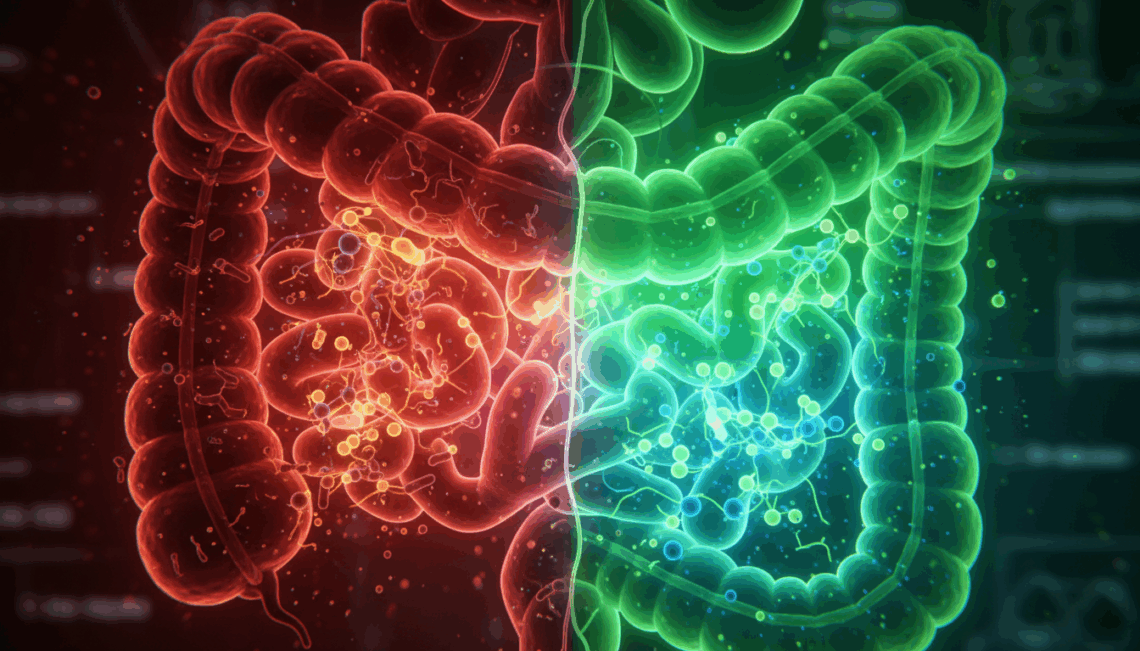
This internal ecosystem, known as the gut microbiome, is central to your overall well-being. It communicates directly with your brain, influences your immune system, and can even affect your mood. When this delicate balance is disrupted—a condition known as dysbiosis—it can trigger a cascade of problems that extend far beyond your stomach.
7 Key Signs of an Unhealthy Gut
Your body has subtle (and not-so-subtle) ways of telling you when something is wrong internally. Paying attention to these signals is the first step toward restoring balance. Here are some of the most common signs of an unhealthy gut.
1. Chronic Digestive Discomfort
This is often the most obvious sign. If you constantly struggle with gas, bloating, constipation, diarrhea, or heartburn, your gut is likely crying out for help. While it’s normal to experience these symptoms occasionally, their persistence indicates that your digestive system is struggling to process food effectively. This could be due to a lack of good bacteria, an overgrowth of bad bacteria, or insufficient digestive enzymes.
2. Unexplained Fatigue and Poor Sleep
Do you feel tired all the time, even after a full night’s rest? Your gut could be the culprit. A significant portion of your body’s serotonin, a hormone that affects mood and sleep, is produced in the gut. An imbalanced microbiome can impair serotonin production, leading to insomnia or poor-quality sleep. Furthermore, chronic gut inflammation can drain your energy reserves, leaving you in a constant state of fatigue.
3. Skin Irritations and Problems
Your skin is often a mirror of what’s happening inside your body. Conditions like eczema, psoriasis, acne, and rosacea have all been linked to gut health. An imbalanced gut can lead to increased intestinal permeability, often called “leaky gut,” where toxins and undigested food particles escape into the bloodstream. This can trigger a systemic inflammatory response that manifests on your skin.

4. Intense Sugar Cravings
If you find yourself constantly craving sugar and highly processed foods, it might not just be a lack of willpower. An overgrowth of certain types of “bad” bacteria and yeast in the gut can be to blame. These microbes thrive on sugar, so they send signals to your brain demanding more of it, creating a vicious cycle that further disrupts your gut balance and contributes to inflammation.
5. Unintentional Weight Changes
Gaining or losing weight without changing your diet or exercise routine can be one of the key signs of an unhealthy gut. An imbalanced microbiome can impair your body’s ability to absorb nutrients, regulate blood sugar, and store fat. An overgrowth of certain bacteria can lead to increased calorie absorption and weight gain, while a lack of nutrient absorption can cause weight loss.
6. Mood Swings, Anxiety, and Irritability
The gut-brain axis is a powerful connection. As mentioned, the gut produces a large amount of your body’s serotonin, often called the “happy chemical.” When gut health is compromised, it can directly impact your mental and emotional state. Chronic gut inflammation and microbial imbalance have been linked to increased rates of anxiety, depression, and persistent mood swings.
7. Frequent Infections or Low Immunity
Did you know that approximately 70-80% of your immune system is located in your gut? A healthy microbiome is your first line of defense against pathogens. If you find yourself getting sick frequently with colds, the flu, or other infections, it’s a strong indicator that your gut health is compromised, weakening your body’s overall immune response.
The Root Cause: Understanding “Leaky Gut”
Many of the signs of an unhealthy gut can be traced back to increased intestinal permeability, or “leaky gut.” The walls of your intestines are meant to be a strong barrier, selectively allowing nutrients to pass into your bloodstream while keeping out toxins, pathogens, and undigested food particles.
When the gut lining becomes inflamed and damaged, these tight junctions can loosen. This allows harmful substances to “leak” into your system, triggering a widespread inflammatory response from your immune system. This chronic, low-grade inflammation is a root cause of many of the symptoms listed above, from skin issues and fatigue to mood disorders.
How to Start Restoring Your Gut Health
Recognizing the signs is the first step. The next is taking action. While it’s always best to consult a healthcare professional for personalized advice, here are some foundational strategies to begin healing your gut.
Dietary Adjustments
Focus on a whole-foods diet rich in fiber. Prebiotic foods like garlic, onions, and bananas feed your good bacteria. Probiotic-rich foods like yogurt, kefir, and sauerkraut can help repopulate your gut with beneficial microbes. At the same time, try to reduce your intake of inflammatory foods like processed sugar, refined carbohydrates, and artificial additives.
Stress Management
Chronic stress can wreak havoc on your gut microbiome. Implementing stress-reducing practices like meditation, deep breathing exercises, yoga, or even just spending time in nature can have a profoundly positive impact on your digestive health. Prioritizing quality sleep is also crucial for allowing your gut to rest and repair.
A Targeted Approach to Gut Lining Support
While diet and lifestyle are foundational, sometimes your gut needs more targeted support, especially when dealing with a compromised gut lining. The cells of your intestinal wall require specific nutrients to stay strong and maintain their tight junctions. One of the most important compounds for this is butyrate, a short-chain fatty acid that serves as the primary fuel source for your colon cells.
For individuals struggling with the persistent signs of an unhealthy gut, a specialized supplement can provide the building blocks needed for repair. Products like PrimeBiome are specifically formulated to address the root causes of leaky gut. It delivers Tributyrin, a potent form of butyrate, directly to the colon to nourish the gut lining. It also includes prebiotics like Sunfiber to feed beneficial bacteria and enzymes like Ficain to aid digestion. This multi-faceted approach helps to not only soothe immediate symptoms but also to fundamentally support the integrity and health of your entire gut ecosystem.
In conclusion, the signs of an unhealthy gut are your body’s way of communicating a deeper imbalance. Listening to these signals—whether it’s persistent bloating, fatigue, or skin issues—is the first and most critical step toward reclaiming your health. By adopting a gut-friendly lifestyle and considering targeted nutritional support, you can begin to heal your digestive system and, in turn, improve your overall vitality and well-being. Remember to be patient and consistent, as restoring gut health is a journey, not a sprint.
Frequently Asked Questions (FAQ)
How long does it take to heal an unhealthy gut?
The timeline for improving gut health varies greatly depending on the individual, the severity of the imbalance, and the consistency of the interventions. Some people may notice improvements in a few weeks, while for others, it could take several months of consistent dietary and lifestyle changes. The key is consistency.
Can I improve my gut health through diet alone?
Diet is the single most powerful tool for influencing your gut microbiome. For many people, significant improvements can be made through dietary changes alone. However, in cases of significant dysbiosis or a compromised gut lining, a targeted supplement can provide essential compounds that may be difficult to obtain in sufficient quantities from food, accelerating the healing process.
Should I see a doctor about my gut health?
Absolutely. If you are experiencing persistent and severe digestive symptoms or any of the other signs discussed, it is essential to consult with a healthcare professional or a registered dietitian. They can help rule out any underlying medical conditions and provide a personalized plan tailored to your specific needs.