
The Unspoken Frustration of a Changing Body
It often starts subtly. The number on the scale creeps up, even though your diet hasn’t changed. You feel a persistent sense of fatigue that coffee can’t seem to fix. That extra bit of stubborn fat, especially around the midsection, just won’t budge no matter how many salads you eat or miles you walk. If this sounds familiar, you are not alone. Many people experience the frustrating reality of what they believe is an unavoidable slow metabolism after 40. It can feel like your body is suddenly playing by a different set of rules, and it’s a deeply discouraging experience.
This article is here to address that feeling head-on. We’re going to move past the generic advice and dive into the cellular level of why this happens. More importantly, we’ll explore the science-backed strategies you can use to support your body’s metabolic health, helping you feel more energized, focused, and in control. This isn’t about fighting your body; it’s about understanding how to work with it as it changes.
The Cellular ‘Why’: Understanding Mitochondrial Decline
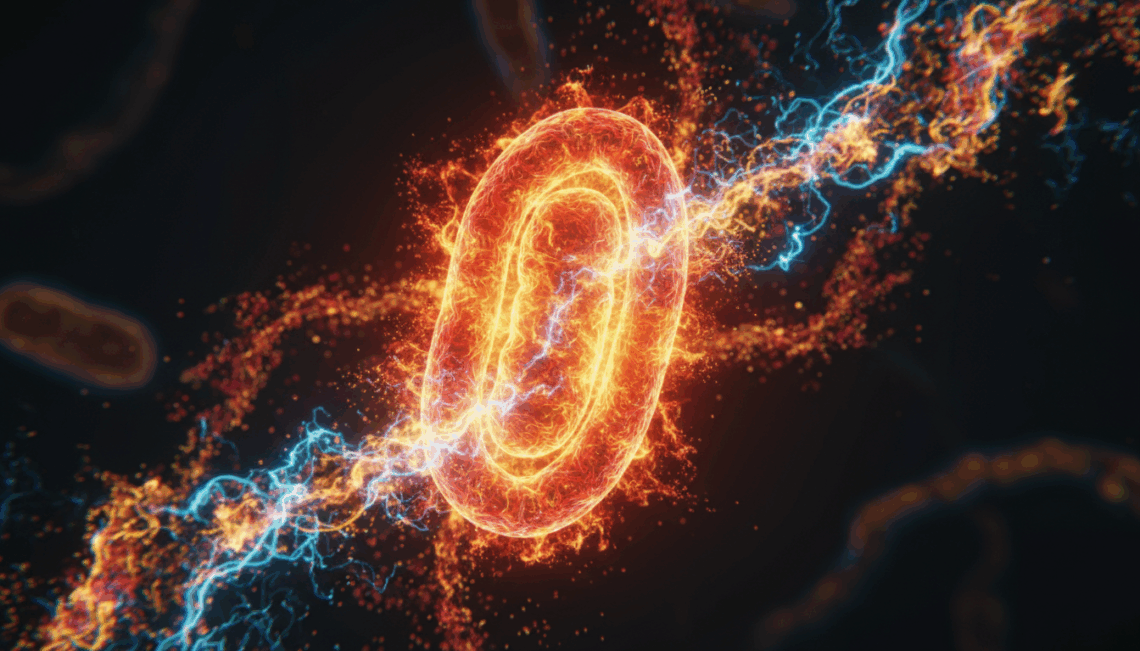
To truly grasp why metabolism seems to downshift with age, we need to talk about the trillions of microscopic power plants inside our cells: the mitochondria. Think of them as tiny engines. Their job is to take the food we eat and the air we breathe and convert it into adenosine triphosphate (ATP), the fundamental energy currency that powers everything from muscle contractions to brain activity.
When we are young, these mitochondrial engines are numerous and efficient. They burn fuel cleanly and produce abundant energy. However, as we age, two things happen:
- Decline in Efficiency: The mitochondria themselves can become damaged by oxidative stress over time, making them less effective at producing energy. They start to produce more “cellular exhaust” (free radicals) and less power.
- Decline in Number: The body’s natural process of clearing out old, damaged mitochondria and creating new ones (a process called mitophagy) can also slow down.
This double-whammy of fewer, less efficient cellular engines is a primary driver behind a slow metabolism after 40. When your cells can’t generate energy as effectively, your body’s overall metabolic rate—the speed at which it burns calories at rest—naturally decreases. The result is that excess energy is more likely to be stored as fat, and you’re left feeling tired and sluggish.
Common Signs of a Slow Metabolism After 40
While a clinical diagnosis requires a medical professional, many people self-identify with the common symptoms associated with a metabolic slowdown. Recognizing these signs is the first step toward addressing them.
Persistent Weight Gain
This is the most well-known symptom. You might notice that you’re gaining weight, particularly visceral fat around your abdomen, without any significant changes to your eating or exercise habits. It feels like your body’s calorie-burning furnace has been turned down.
Chronic Fatigue
If your cellular engines aren’t producing enough ATP, your entire body feels the energy deficit. This isn’t just feeling tired after a long day; it’s a pervasive lack of energy that can affect your motivation, productivity, and overall quality of life.
Brain Fog and Lack of Focus
Your brain is an incredibly energy-hungry organ. When mitochondrial function declines, cognitive processes can suffer. You might find it harder to concentrate, remember details, or feel as mentally sharp as you used to.
Traditional Approaches vs. Modern Cellular Support
For decades, the standard advice for boosting metabolism has been “eat less, move more.” While a healthy diet and regular exercise are undeniably crucial pillars of health, they can feel like an uphill battle when your cellular energy is low. Pushing yourself through an intense workout is difficult when you’re already exhausted, and strict calorie restriction can sometimes lead to further metabolic adaptation, where your body becomes even more efficient at storing energy.
This is where a modern approach comes in: instead of just focusing on calories in versus calories out, we can focus on improving the *efficiency* of the calorie-burning engines themselves. The goal is to support your mitochondria so they can do their job better.

A Modern Approach: Fueling Your Cellular Engines
Emerging science highlights the incredible impact that specific nutrients can have on mitochondrial health. By providing your body with the right building blocks, you can help protect your cellular engines from damage and support their energy-producing capabilities. Two key players in this area are polyphenols and Medium-Chain Triglycerides (MCTs).
The Power of Polyphenols
Polyphenols are powerful antioxidant compounds found in many plant-based foods. They are nature’s defense mechanism, and they can offer similar protective benefits to our cells. Certain polyphenols have been studied for their ability to activate pathways in the body that support mitochondrial function and a healthy inflammatory response. For example, compounds found in sources like hibiscus and specific berries are rich in these beneficial polyphenols, which can help shield your mitochondria from the oxidative stress that contributes to their decline.
The Role of MCTs in Clean Energy
Unlike the more common long-chain fatty acids, MCTs are a unique type of fat that is rapidly absorbed and transported directly to the liver. There, they are quickly converted into ketones, which can be used as a direct and efficient source of energy for both the body and the brain. Because they are metabolized so quickly for energy, they are less likely to be stored as body fat. This provides a clean, readily available fuel source that can help reduce feelings of fatigue and brain fog without the crash associated with sugary carbs.
The Simple Routine Shift: An All-in-One Solution
Understanding the science is one thing; applying it to your daily life is another. Sourcing specific, high-quality polyphenols and MCTs and incorporating them into your routine can be cumbersome. This is where a targeted formulation can make all the difference.
Mitolyn is a unique creamer designed specifically to address the root causes of a slow metabolism after 40. It combines a potent blend of polyphenols from hibiscus and other plant sources with high-purity C8 MCTs into a simple, convenient powder that easily dissolves into your morning coffee, tea, or smoothie.
Instead of just masking fatigue with caffeine, this approach works to refuel your cellular engines. By starting your day with Mitolyn, you are providing your body with the key nutrients it needs to support mitochondrial health, promote clean energy production, and encourage a more efficient metabolism. It’s a simple shift in your daily routine that targets a complex biological process, making it a practical and effective strategy for anyone feeling the effects of age-related metabolic slowdown.
What to Expect and a Note on Consistency
Supporting your body at the cellular level is a process, not an overnight fix. While some users report feeling increased energy and mental clarity relatively quickly, the more profound benefits for metabolic health and weight management come with consistent, daily use. The goal is to continuously provide your mitochondria with the protective and energizing nutrients they need to function optimally. Over time, this consistent support can help your body become more resilient and efficient, empowering you to feel your best.
In conclusion, while it’s true that metabolic changes are a natural part of aging, feeling sluggish and struggling with weight gain doesn’t have to be your inevitable reality. By shifting your focus from punishing workouts and restrictive diets to nurturing your body at the cellular level, you can effectively address a slow metabolism after 40. Understanding the role of your mitochondria and providing them with targeted nutrients like polyphenols and MCTs offers a powerful, science-backed path toward renewed energy, mental clarity, and metabolic wellness.
Disclaimer: The information provided in this article is for educational purposes only and is not intended as a substitute for professional medical advice, diagnosis, or treatment. Always seek the advice of your physician or other qualified health provider with any questions you may have regarding a medical condition. Do not disregard professional medical advice or delay in seeking it because of something you have read here.