Understanding the Link Between Your Gut and Overall Wellness
Do you ever feel like you’re doing everything right—eating healthy, exercising, getting enough sleep—but still struggle with persistent bloating, brain fog, and skin issues? It’s a frustrating cycle that leaves many feeling unheard and without answers. Often, the root of these seemingly unrelated problems lies deep within your digestive system, in the complex world of your gut microbiome. One of the most common yet frequently overlooked culprits is a yeast imbalance. This article will explore the subtle yet significant signs of candida overgrowth and discuss how you can begin to restore balance for improved health.
What Exactly Is Candida Albicans?
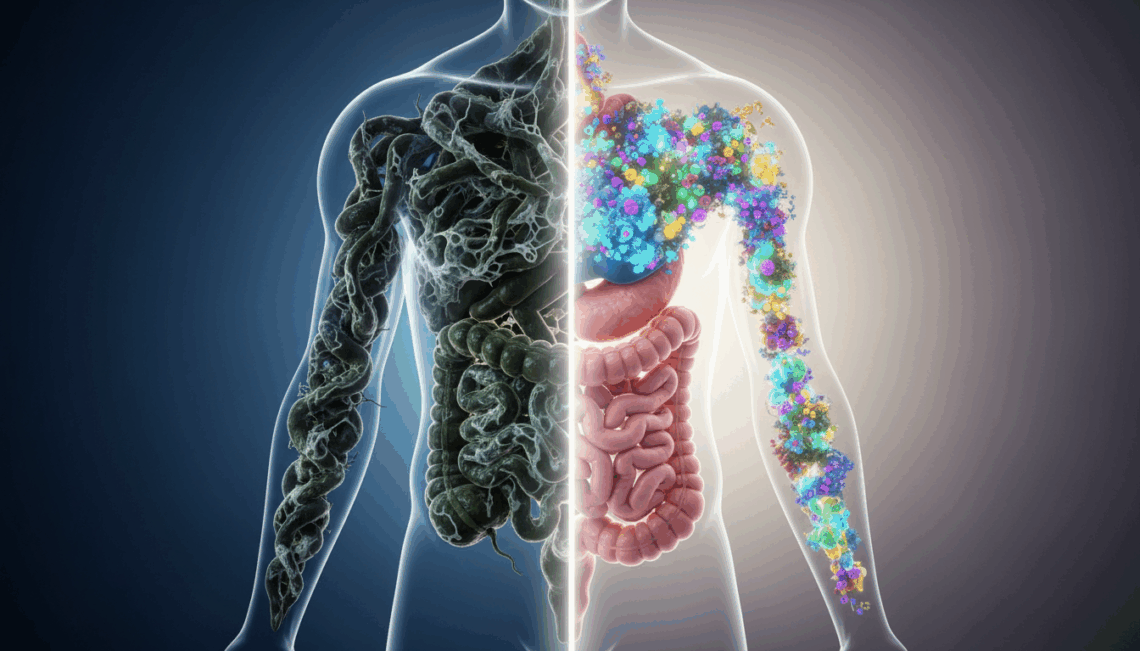
Candida albicans is a type of yeast, a single-celled fungus, that naturally lives in and on our bodies, particularly in the mouth, throat, gut, and vagina. In a healthy system, it coexists peacefully with the trillions of other microorganisms, kept in check by beneficial bacteria. It plays a minor role in digestion and nutrient absorption. However, when the delicate balance of your gut microbiome is disrupted, Candida can multiply uncontrollably, leading to a condition known as candidiasis or Candida overgrowth. This overgrowth can weaken the intestinal wall, contributing to what is often called “leaky gut,” and release toxic byproducts into your bloodstream, causing a cascade of systemic issues.
What Causes Candida to Get Out of Control?
Several modern lifestyle factors can disrupt the gut’s delicate ecosystem, creating an environment where Candida can thrive. Understanding these triggers is the first step toward reclaiming control over your health.
Key Contributing Factors:
- High-Sugar Diets: Candida feeds on sugar. A diet rich in refined carbohydrates, sugary snacks, and processed foods provides the perfect fuel for yeast to multiply rapidly.
- Repeated Antibiotic Use: While antibiotics are crucial for fighting bacterial infections, they can also wipe out the beneficial bacteria that keep Candida in check, allowing it to flourish without competition.
- Chronic Stress: High levels of stress increase cortisol, a hormone that can raise blood sugar levels and suppress the immune system. This creates a favorable environment for Candida to grow.
- Weakened Immune System: Any condition or medication that suppresses the immune system can reduce your body’s ability to manage its natural yeast populations effectively.
- Oral Contraceptives: Some studies suggest that birth control pills can disrupt the natural hormonal balance, which may contribute to yeast overgrowth in some individuals.
Beyond Bloating: The Hidden Signs of Candida Overgrowth
While digestive issues like bloating, gas, and constipation are classic indicators of a gut imbalance, Candida overgrowth can manifest in numerous ways throughout the body. Many people suffer from these symptoms for years without ever connecting them to a gut-related issue.
Chronic Fatigue and Brain Fog
Feeling perpetually exhausted even after a full night’s sleep? Struggling with focus, memory, or concentration? Candida produces various toxins, including acetaldehyde, which can impair cognitive function and leave you feeling drained and mentally foggy. This isn’t just normal tiredness; it’s a profound lack of energy that interferes with daily life.
Persistent Skin and Nail Issues
Your skin is often a mirror of your internal health. When Candida overgrowth leads to a leaky gut, inflammatory toxins can enter the bloodstream and trigger immune responses that manifest as skin problems. This can include acne, psoriasis, eczema, rashes, and even fungal infections of the nails and skin.
Intense Sugar and Carb Cravings
As mentioned, Candida thrives on sugar. When it overgrows, it can essentially “hijack” your cravings, making you desire the very foods it needs to multiply. This can create a vicious cycle where you feed the yeast, making the overgrowth and the cravings even stronger, often derailing weight management efforts.
Mood Swings, Anxiety, and Irritability
The gut-brain axis is a powerful connection. An imbalanced microbiome can directly impact your neurotransmitter production, such as serotonin (the “feel-good” chemical). The toxic byproducts of Candida can also interfere with neurological function, leading to unexplained mood swings, heightened anxiety, and irritability.

How to Begin Restoring Your Gut’s Natural Balance
If these symptoms sound familiar, it’s important to take a proactive and informed approach to your health. Restoring gut balance is a journey, not an overnight fix, and it involves a multi-faceted strategy. It is crucial to consult with a healthcare professional or a registered dietitian before making significant changes to your diet or starting any new supplement regimen.
1. Strategic Dietary Adjustments
The first step is to cut off Candida’s fuel supply. This typically involves a low-sugar diet, focusing on eliminating added sugars, refined carbohydrates, and processed foods. Instead, focus on whole, nutrient-dense foods:
- Non-starchy vegetables: Leafy greens, broccoli, cauliflower, asparagus.
- Lean proteins: Grass-fed meats, pasture-raised poultry, wild-caught fish.
- Healthy fats: Avocado, olive oil, nuts, and seeds.
- Low-sugar fruits: Berries, in moderation.
2. The Power of Probiotics
Reintroducing beneficial bacteria is essential for rebuilding your gut’s “army.” Probiotics help crowd out the overgrown yeast and restore a healthy microbial balance. Fermented foods like kimchi, sauerkraut, kefir, and yogurt (unsweetened) are excellent natural sources. A high-quality probiotic supplement can also provide a more concentrated dose of these helpful microbes.
3. Support Your System with Key Nutrients
Certain natural compounds have been studied for their ability to support a healthy gut environment. Ingredients like caprylic acid (from coconut oil), berberine, and oregano oil are known for their properties that help maintain a balanced microbiome. Additionally, supporting your liver and detoxification pathways is crucial as your body works to clear out the toxins released by Candida.
A Comprehensive Approach to a Complex Problem
Navigating the complexities of diet, probiotics, and targeted nutrients can be overwhelming. Combining all these elements consistently is often the biggest challenge. This is where a well-formulated supplement can play a supportive role. A product designed specifically to address the multifaceted nature of gut imbalance can provide a synergistic blend of ingredients that work together to create an environment where beneficial flora can thrive and yeast is kept in check.
When looking for support, consider a formula that includes not only powerful probiotics but also gut-fortifying nutrients and compounds that help address yeast overgrowth directly. This comprehensive approach ensures you are both rebuilding the good and managing the bad, which is the key to long-term balance and relief from the persistent signs of candida overgrowth.
Conclusion: Your Path to a Healthier Gut
Feeling your best starts in your gut. The subtle but persistent symptoms of fatigue, skin issues, brain fog, and digestive distress are not things you have to live with. By understanding the potential role of Candida overgrowth and taking proactive steps to rebalance your internal ecosystem through diet, lifestyle, and targeted support, you can reclaim your energy, clarity, and overall well-being. Listen to your body, seek professional guidance, and begin your journey toward a healthier, more balanced you.
Disclaimer: The information provided in this article is for educational purposes only and is not intended as a substitute for professional medical advice, diagnosis, or treatment. Always seek the advice of your physician or other qualified health provider with any questions you may have regarding a medical condition.