The Frustration of a Never-Ending Battle
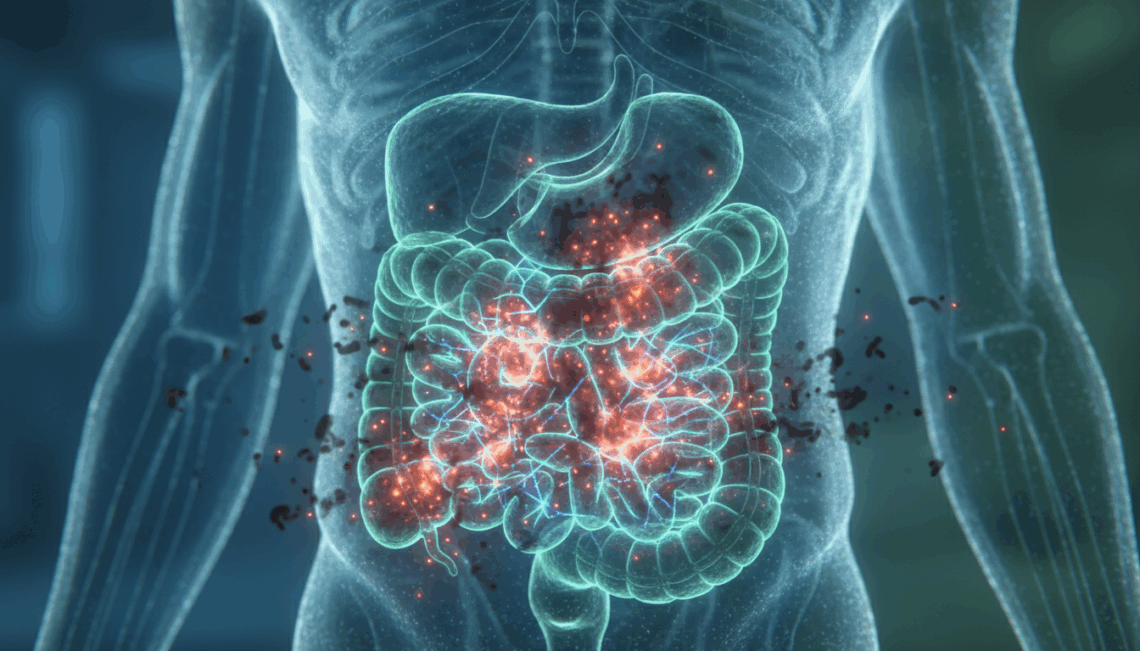
You eat clean, you exercise, you drink plenty of water, and yet, the persistent bloating remains. It’s a frustrating and often uncomfortable experience that can make you feel like your own body is working against you. If you find yourself constantly wondering why you feel gassy and swollen, despite your best efforts, you’re not alone. The truth is, the conventional advice to simply “eat more fiber” or “avoid beans” often misses the deeper, underlying issues. This article will delve into the hidden causes of persistent bloating, exploring the complex mechanics of your digestive system to uncover what might really be going on.
Understanding Bloating Beyond the Basics
Before we dive into the hidden culprits, it’s important to distinguish between occasional, acute bloating and the chronic, persistent kind. Occasional bloating is a normal part of life. You might experience it after a particularly large meal, eating something you’re sensitive to, or drinking a carbonated beverage. It usually resolves within a few hours and isn’t a major cause for concern.
Persistent bloating, however, is different. It’s a recurring issue that can last for days or weeks, significantly impacting your comfort and quality of life. This type of bloating often signals that there’s an imbalance or a deeper problem within your digestive tract that needs attention.
The Hidden Causes of Persistent Bloating
While diet and eating habits play a role, chronic bloating is often a symptom of more complex physiological issues. Let’s explore some of the most significant yet frequently overlooked causes.
1. Intestinal Permeability (Leaky Gut Syndrome)
Imagine the lining of your intestine as a tightly woven net with very small holes. This net is designed to let nutrients pass through into your bloodstream while keeping larger, undigested food particles, toxins, and microbes out. This lining is protected by a series of proteins called “tight junctions.”
In a condition known as intestinal permeability, or “leaky gut,” these tight junctions become loose. The net becomes damaged, and the holes get bigger. This allows unwanted particles to “leak” into your bloodstream, triggering an immune response. This response creates inflammation throughout the body, and one of the most immediate and noticeable symptoms is chronic bloating and gas. The body is essentially in a constant state of low-grade alert, and your digestive system is ground zero for this inflammatory reaction.
2. Gut Microbiome Imbalance (Dysbiosis)
Your gut is home to trillions of microorganisms, including bacteria, fungi, and viruses, collectively known as the gut microbiome. In a healthy state, there’s a harmonious balance between beneficial and potentially harmful bacteria. However, factors like a poor diet, stress, antibiotics, and illness can disrupt this balance, a condition called dysbiosis.
When harmful bacteria begin to outnumber the good, it can lead to a host of digestive problems. Certain types of bacteria ferment undigested carbohydrates, producing excessive amounts of gas (hydrogen and methane). This fermentation process is a primary driver of the pressure and swelling associated with persistent bloating. You’re essentially hosting a microscopic fermentation party in your gut, and the bloating is the unfortunate byproduct.
3. Low Stomach Acid or Digestive Enzyme Deficiency
Proper digestion begins in the stomach. Your stomach produces hydrochloric acid to break down proteins and kill off harmful pathogens. Further down the line, your pancreas produces digestive enzymes to break down fats, proteins, and carbohydrates in the small intestine.
If your body produces insufficient stomach acid or enzymes, food isn’t broken down properly. These larger, undigested food particles then travel to the intestines, where they become food for gas-producing bacteria. This not only leads to bloating and discomfort but can also contribute to the development of dysbiosis and leaky gut over time, creating a vicious cycle of digestive distress.

A Strategic Approach to Reclaiming Your Digestive Health
Addressing the root causes of persistent bloating requires a more comprehensive approach than simply avoiding certain foods. It involves restoring the integrity of your gut lining, rebalancing your microbiome, and ensuring your body has the tools it needs for optimal digestion.
Dietary and Lifestyle Foundations
Focus on Whole Foods: A diet rich in nutrient-dense whole foods provides the fiber and prebiotics that beneficial gut bacteria thrive on. Think fruits, vegetables, and lean proteins.
Incorporate Probiotic-Rich Foods: Foods like yogurt, kefir, sauerkraut, and kimchi can help introduce beneficial bacteria back into your gut.
Manage Stress: Chronic stress is a major enemy of gut health. The stress hormone cortisol can damage the gut lining and disrupt the microbiome. Practices like meditation, yoga, or even a quiet walk can make a significant difference.
Chew Your Food: Digestion starts in the mouth. Chewing your food thoroughly breaks it down and signals to your stomach to start producing acid, easing the burden on the rest of your digestive system.
The Role of Targeted Supplementation
While a healthy lifestyle is the foundation, sometimes your body needs targeted support to repair and rebalance, especially when dealing with issues as complex as leaky gut and dysbiosis. The right combination of ingredients can provide the building blocks needed to strengthen the gut lining and restore microbial harmony.
This is where a well-formulated supplement can be a powerful ally. For example, the supplement PrimeBiome is designed specifically to address these interconnected issues. Its formula includes key ingredients chosen for their supportive roles in gut health:
- L-Glutamine: This amino acid is the primary fuel source for the cells that line your intestines. It plays a crucial role in maintaining and repairing the integrity of the tight junctions, directly addressing the core issue of leaky gut.
- Slippery Elm Bark & Okra: These natural ingredients are known for their ability to create a soothing, protective coating along the digestive tract, which can help calm inflammation and support the gut lining.
- 4-Strain Probiotic Blend: PrimeBiome includes a carefully selected blend of beneficial bacteria to help combat dysbiosis, push out harmful microbes, and restore a healthy balance to your gut microbiome.
By combining ingredients that support the gut barrier with probiotics that replenish the microbiome, a targeted supplement offers a multi-pronged approach to tackling the root causes of persistent bloating.
Conclusion: Moving from Frustration to Freedom
Persistent bloating is more than just an inconvenience; it’s a signal from your body that something deeper is amiss. By looking beyond the common culprits and understanding the roles of intestinal permeability and microbial imbalance, you can start to address the true source of your discomfort. A holistic approach that combines a nutrient-dense diet, stress management, and targeted supplementation can provide the comprehensive support your gut needs to heal and function optimally. This journey is about moving from a state of constant frustration to one of digestive freedom and overall well-being.
Disclaimer: The information in this article is for educational purposes only and is not intended as medical advice. Please consult with a qualified healthcare professional before starting any new diet, exercise program, or supplement regimen, especially if you have a pre-existing medical condition or are taking medication.