What is Weight Loss Resistance?
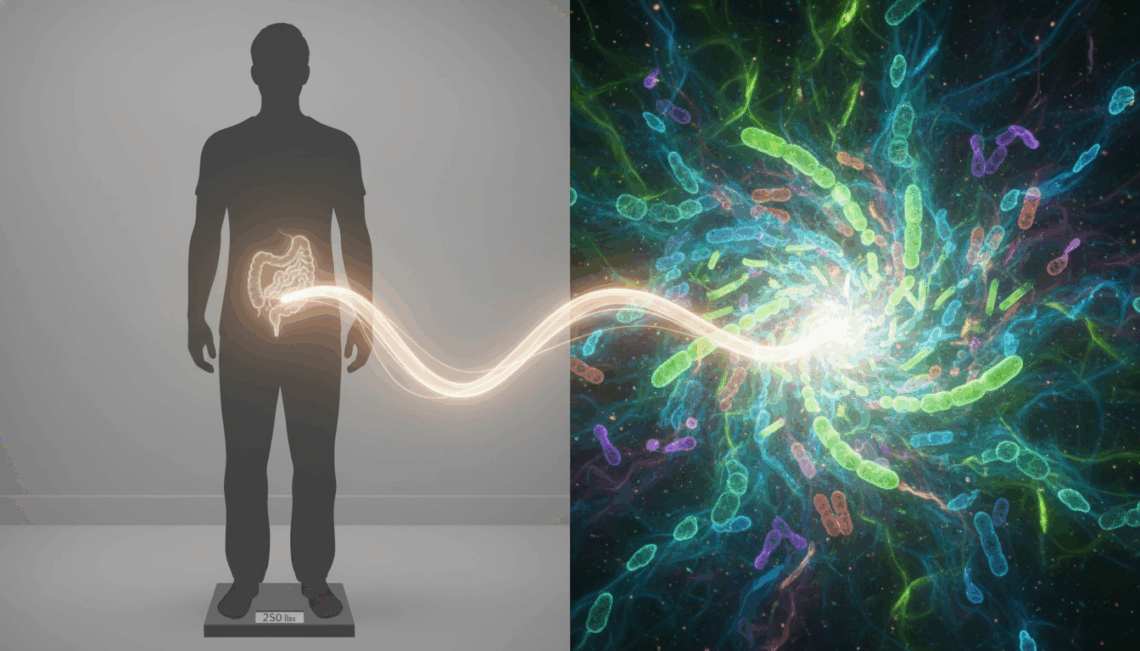
Weight loss resistance is the incredibly frustrating experience of being unable to lose weight despite doing everything right. You follow a healthy diet, exercise regularly, and stay disciplined, yet the numbers on the scale refuse to budge. This isn’t about a lack of willpower; it’s often a sign that there are deeper physiological factors at play, preventing your body from letting go of excess fat. For many, the missing piece of the puzzle lies in an unexpected place: the gut.
The Gut Microbiome: Your Body’s Hidden Command Center
Your gut is home to trillions of microorganisms, including bacteria, viruses, and fungi, collectively known as the gut microbiome. Think of it as a complex, living ecosystem inside you. For a long time, we thought its primary job was just digestion. However, modern science has revealed that this microbial world is a command center that influences nearly every aspect of your health, from your immune system and mood to, most importantly, your metabolism and weight.
A healthy gut has a diverse and balanced population of these microbes. The “good” bacteria help you digest food, produce essential vitamins, and keep inflammation in check. The “bad” bacteria, in small numbers, are usually harmless. The problem begins when this delicate balance is disrupted—a condition called dysbiosis.
The Critical Link: How Gut Health Sabotages Weight Loss
When bad bacteria start to outnumber the good, they can wreak havoc on your body’s weight-regulating systems. Here’s how an imbalanced gut contributes directly to weight loss resistance.
Inflammation and Metabolism
Certain types of harmful gut bacteria produce toxins that can penetrate the gut lining and enter the bloodstream, triggering a low-grade, chronic inflammatory response throughout your body. This systemic inflammation can interfere with insulin signaling—a key hormone for blood sugar and fat storage. When your cells become resistant to insulin, your body is more likely to store glucose as fat, particularly around the abdomen, while your metabolism slows down.
Cravings and Appetite Control
Have you ever felt like your cravings are completely out of your control? Your gut bacteria might be the culprits. These microbes can influence your appetite by sending signals to your brain and affecting the production of hunger hormones like ghrelin (which tells you you’re hungry) and leptin (which tells you you’re full). An overgrowth of certain unhealthy bacteria can increase cravings for sugar and processed foods—the very things they thrive on, creating a vicious cycle.
Nutrient Absorption and Fat Storage
A balanced microbiome is essential for extracting all the vital nutrients from your food. When your gut is out of sync, your ability to absorb vitamins and minerals can be compromised, leaving you feeling fatigued and nutrient-deprived even with a healthy diet. Furthermore, some studies suggest that the gut microbiome of individuals who are overweight is more efficient at harvesting calories from food, meaning more calories are absorbed and stored as fat.
Signs Your Gut Might Be Affecting Your Weight
If you’re experiencing weight loss resistance, it’s worth checking if you have other symptoms of an imbalanced gut. You don’t need to have all of them, but a combination can be a strong indicator:
- Chronic Bloating and Gas: Feeling puffy, gassy, or distended after meals is a classic sign of digestive distress.
- Irregular Bowel Habits: This can include constipation, diarrhea, or alternating between the two.
- Intense Cravings: Particularly for sugar, refined carbs, and processed foods.
- Persistent Fatigue: Feeling tired all the time, even after a full night’s sleep, can be linked to poor nutrient absorption and inflammation.
- Skin Issues: Conditions like acne, eczema, or rosacea can often have their roots in gut inflammation.
- Mood Swings: The gut-brain axis is a powerful connection, and an unhealthy gut can contribute to feelings of anxiety or depression.
How to Naturally Improve Your Gut Health
The good news is that you have the power to change your gut microbiome. Making consistent, healthy lifestyle choices can help restore balance and support your weight loss goals. It’s crucial to consult with a healthcare professional before making significant changes to your diet or supplement routine.
Focus on Fiber-Rich Foods
Fiber is the primary food source for your beneficial gut bacteria. These are known as prebiotics. Aim to eat a wide variety of plant-based foods, such as fruits, vegetables, legumes, nuts, seeds, and whole grains. A diverse diet leads to a diverse—and more resilient—microbiome.
Incorporate Probiotic Foods
Probiotics are live beneficial bacteria found in fermented foods. Including items like yogurt (with live active cultures), kefir, sauerkraut, kimchi, and kombucha in your diet can help replenish the population of good microbes in your gut.
Reduce Sugar and Processed Foods
Sugar and highly processed foods are the preferred fuel for harmful bacteria. Starving them of their food source is one of the most effective ways to reduce their numbers and allow beneficial bacteria to thrive.
Manage Stress and Prioritize Sleep
Chronic stress and poor sleep can negatively impact your gut health. High levels of the stress hormone cortisol can disrupt the microbiome balance. Practices like meditation, yoga, deep breathing, and ensuring you get 7-9 hours of quality sleep per night are essential for both your mind and your gut.
Beyond Probiotics: The Power of Postbiotics for Targeted Support
While prebiotics (fiber) and probiotics (live bacteria) are foundational, there is another powerful player in gut health: postbiotics. Postbiotics are the beneficial compounds that are produced when probiotics feed on prebiotics. They include things like short-chain fatty acids, enzymes, and peptides.
Essentially, postbiotics are the “active ingredients” that deliver many of the health benefits we associate with a good gut. Because they are inanimate compounds rather than live organisms, they can offer a more stable and direct way to support the gut environment. They work by helping to strengthen the gut barrier, reduce inflammation, and crowd out harmful bacteria.
A Strategic Approach to Restoring Gut Balance
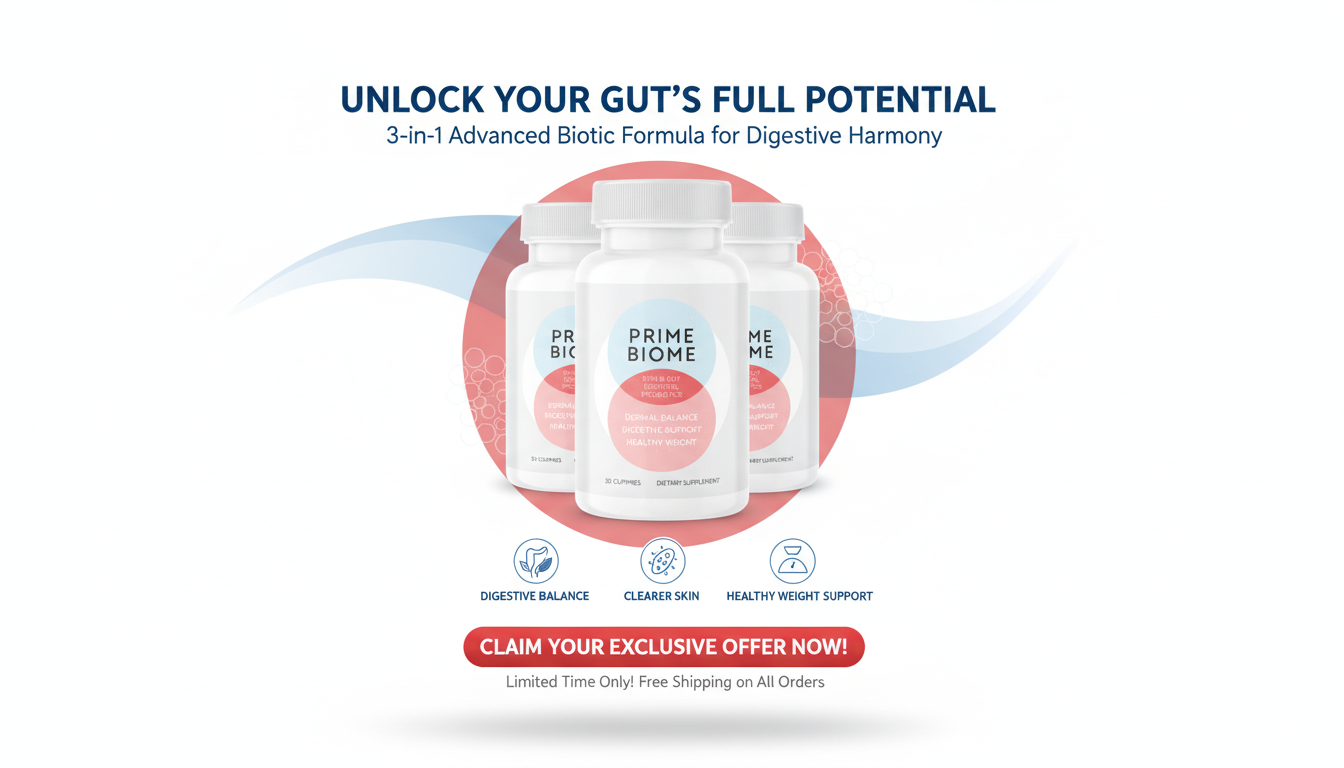
For those dealing with stubborn gut issues and weight loss resistance, a targeted approach can make all the difference. While a healthy diet is non-negotiable, a specialized supplement can provide powerful, concentrated support to accelerate the rebalancing process. This is where a formula like PrimeBiome comes in.
PrimeBiome is built around a patented, heat-treated strain of Lactobacillus gasseri. By using a heat-treated, or inanimate, strain, it functions as a postbiotic. It’s designed to directly deliver the benefits to your gut without needing the bacteria to be alive. This approach helps to effectively target and displace the harmful bacteria that can cause cravings and signal your body to store fat. It provides a direct infusion of the beneficial components your gut needs to create a healthier environment, supporting your efforts to overcome weight loss resistance from the inside out.
Think of it not as a magic pill, but as a strategic tool. You build the healthy foundation with diet and lifestyle, and a postbiotic supplement like PrimeBiome acts as a targeted reinforcement to help you finally break through the plateau.
Conclusion: Take Control of Your Weight by Starting with Your Gut
If you feel stuck on your weight loss journey, it’s time to look beyond just calories and exercise. The health of your gut microbiome is a fundamental factor that can either support or sabotage your best efforts. By understanding the link between gut health and weight loss resistance, you can stop fighting against your body and start working with it. Nurture your gut with a balanced diet, manage your stress, and consider targeted support to restore its delicate ecosystem. A happy gut is the foundation for a healthy metabolism and a body that is finally ready to achieve balance.
Frequently Asked Questions (FAQ)
What is the main difference between probiotics and postbiotics?
Probiotics are live, beneficial bacteria that you introduce to your gut, typically through fermented foods or supplements. Postbiotics are the beneficial compounds and substances that probiotics create. They are inanimate, meaning they are not alive, but they are what actually provide many of the health benefits. This makes them very stable and allows for more targeted action within the gut.
How long does it typically take to notice changes in gut health?
This can vary greatly from person to person depending on their starting gut health, diet, and lifestyle. Some people may notice improvements in digestion and bloating within a few days or weeks. For more significant changes, including impacts on weight and metabolism, it can take one to three months of consistent effort and support.
Can I improve my gut health without using supplements?
Absolutely. The foundation of good gut health is always a balanced, fiber-rich diet, a healthy lifestyle, stress management, and adequate sleep. Many people can achieve a healthy gut balance through these methods alone. Supplements are best viewed as a tool to provide targeted support, especially for those with stubborn imbalances or who need an extra boost to get their gut back on track.