
The Gut-Weight Connection: Why You Might Be Experiencing Bloating and Weight Gain
It’s a frustrating scenario many know all too well: you’re eating clean, staying active, and doing everything “right,” yet the number on the scale keeps creeping up. To make matters worse, you’re constantly battling uncomfortable bloating that makes you feel sluggish and discouraged. If you’re struggling with unexplained weight gain and bloating, you’re not alone, and it’s not your fault. The answer might not be in another diet or a more intense workout plan, but in a place many of us overlook: your gut.
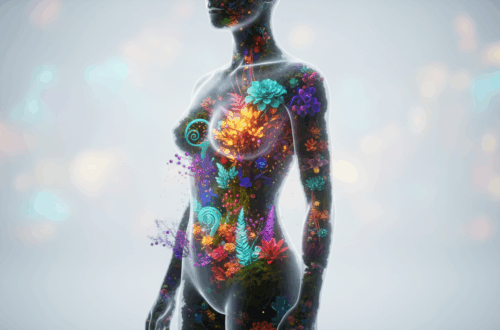
Your digestive system is home to a complex ecosystem of trillions of bacteria, fungi, and other microbes, collectively known as the gut microbiome. For a long time, we thought its only job was to digest food. But modern science has revealed that this internal world has a profound impact on everything from your mood and immune system to, you guessed it, your metabolism and weight. Let’s explore this crucial connection and uncover how nurturing your gut could be the key to finally feeling like yourself again.
What Is the Gut Microbiome, Really?
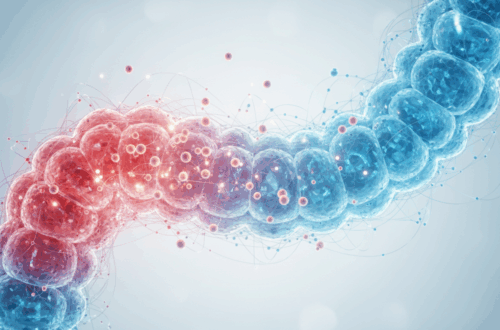
Think of your gut microbiome as a bustling city living inside you. In this city, there are different types of residents: beneficial bacteria (the helpful citizens) and potentially harmful bacteria (the troublemakers). In a healthy gut, these populations live in a balanced state of harmony, a condition called symbiosis.
The “good” bacteria help you break down food, produce essential vitamins, protect against pathogens, and regulate your immune system. The “bad” bacteria, in small numbers, are generally harmless. However, when the troublemakers start to outnumber the helpful citizens—a state known as dysbiosis—problems can arise throughout the body, starting with your digestive system and often impacting your metabolic health.
The Link Between Gut Imbalance and Unexplained Weight Gain
So, how can these microscopic organisms have such a big impact on your weight? The connection is multifaceted and powerful. When your gut is out of balance, it can trigger a cascade of issues that directly contribute to weight gain and bloating.
How Gut Bacteria Influence Metabolism and Fat Storage
Emerging research shows that certain types of gut bacteria are more efficient at extracting calories from the food you eat. Some studies have identified specific families of bacteria, sometimes nicknamed “fattening bacteria,” that can harvest more energy from carbohydrates and store that energy as fat. Conversely, other types, known as “slimming bacteria,” are associated with leaner body compositions.
If your gut is dominated by these “fattening” microbes, you could theoretically be absorbing more calories from the exact same meal than someone with a healthier gut balance. This can lead to gradual, stubborn weight gain that feels impossible to control through diet alone.
Inflammation, Bloating, and Water Retention
An unhealthy gut microbiome is a leading cause of chronic low-grade inflammation. When harmful bacteria dominate, they can damage the intestinal lining, making it more permeable (a condition often referred to as “leaky gut”). This allows bacterial toxins and undigested food particles to enter the bloodstream, triggering an immune response and widespread inflammation.
This systemic inflammation can interfere with metabolic hormones like insulin and leptin, making weight loss more difficult. Furthermore, it directly contributes to the uncomfortable bloating, gas, and water retention that so often accompany unexplained weight fluctuations. You’re not just gaining fat; you’re retaining fluid and dealing with constant digestive distress.
The Gut-Brain Axis: Cravings and Mood
Your gut and brain are in constant communication through what’s known as the gut-brain axis. The microbes in your gut can produce neurotransmitters, just like your brain cells do. An imbalanced microbiome can send signals that influence your mood, energy levels, and even your food cravings.
Have you ever found yourself craving sugary, high-carb foods, especially when you feel stressed or tired? That might be your gut bacteria talking. Some harmful microbes thrive on sugar and can send signals to your brain that intensify these cravings, creating a vicious cycle of poor eating habits that further disrupt gut balance and contribute to weight gain.

Probiotics, Prebiotics, and Postbiotics: A Quick Guide
If you’ve looked into gut health, you’ve likely come across these three terms. Understanding them is key to taking a strategic approach to restoring balance. While they all work together, they have distinct roles.
- Probiotics: These are the live, beneficial bacteria themselves. You can find them in fermented foods like yogurt, kefir, and kimchi, as well as in supplements. The goal of taking probiotics is to introduce more “good citizens” into your gut city.
- Prebiotics: These are the food for your good bacteria. They are types of dietary fiber—found in foods like onions, garlic, bananas, and asparagus—that your body can’t digest. Instead, they travel to your colon, where they nourish your beneficial microbes, helping them grow and thrive.
- Postbiotics: This is the newest and perhaps most exciting piece of the puzzle. Postbiotics are the beneficial compounds that your probiotic bacteria produce when they consume prebiotics. These are the “end products” that are responsible for many of the health benefits we associate with a healthy gut. They include substances like short-chain fatty acids (SCFAs), enzymes, and vitamins that directly support your health. Supplementing with postbiotics is a modern approach that delivers these beneficial compounds directly to your system.
A Holistic Strategy for Restoring Gut Balance
Tackling unexplained weight gain and bloating by focusing on your gut requires a comprehensive approach. It’s not about a quick fix but about creating a sustainable internal environment where your body can function optimally.
Start with Diet and Lifestyle
Your daily habits are the foundation of gut health. Focus on incorporating a wide variety of plant-based, fiber-rich foods to feed your good bacteria. Reduce your intake of processed foods, artificial sweeteners, and excessive sugar, which tend to nourish the unhealthy microbes. Managing stress through practices like meditation or yoga and prioritizing sleep are also crucial, as stress and lack of sleep can negatively impact your microbiome.
Consider Targeted Supplementation
While diet is foundational, sometimes your gut needs a more direct form of support to regain balance, especially if dysbiosis is significant. This is where a well-formulated supplement can make a difference. For those dealing with stubborn weight and bloating, a modern formula that goes beyond basic probiotics can be particularly effective.
Products like PrimeBiome are designed with this in mind. It utilizes a postbiotic approach, aiming to deliver the beneficial byproducts of healthy bacteria directly to your gut. By focusing on supporting the “slimming bacteria” and providing compounds that help maintain a healthy gut lining, it addresses the core issues of metabolic disruption and inflammation discussed earlier. This targeted strategy is formulated to help your body re-establish the microbial harmony needed to support healthy weight management and alleviate digestive discomfort.
Taking Control of Your Digestive Wellness
The journey to understanding your body is ongoing, but recognizing the profound connection between your gut health and your overall well-being is a major breakthrough. If you’ve been frustrated by unexplained weight gain and bloating, it’s time to look beyond the surface and consider the health of your internal ecosystem. By nourishing your microbiome through a balanced diet, a healthy lifestyle, and strategic support, you can address the root cause of your symptoms and pave the way for lasting vitality and balance.
Important Disclaimer
The information provided in this article is for educational purposes only and should not be considered medical advice. The content is not intended to be a substitute for professional medical advice, diagnosis, or treatment. Always seek the advice of your physician or another qualified health provider with any questions you may have regarding a medical condition. Never disregard professional medical advice or delay in seeking it because of something you have read here. Any statements regarding dietary supplements have not been evaluated by the Food and Drug Administration and are not intended to diagnose, treat, cure, or prevent any disease.