Understanding the Signs of an Unhealthy Gut
In our pursuit of wellness, we often focus on external factors like skin clarity or muscle tone. However, the true epicenter of our health lies within our digestive system. The gut microbiome, a complex ecosystem of trillions of bacteria, fungi, and other microbes, plays a pivotal role in everything from digestion and immunity to mood and weight management. When this internal ecosystem is out of balance, it can send out subtle (and not-so-subtle) signals. Recognizing these signs of an unhealthy gut is the first step toward restoring harmony and improving your overall quality of life.
This guide will walk you through the common symptoms of gut imbalance, explore the underlying causes, and provide actionable steps—including natural methods and modern supportive supplements—to help you get back on track. It’s crucial to remember that while this information is educational, you should always consult a healthcare professional for personalized medical advice.
What Is the Gut Microbiome?
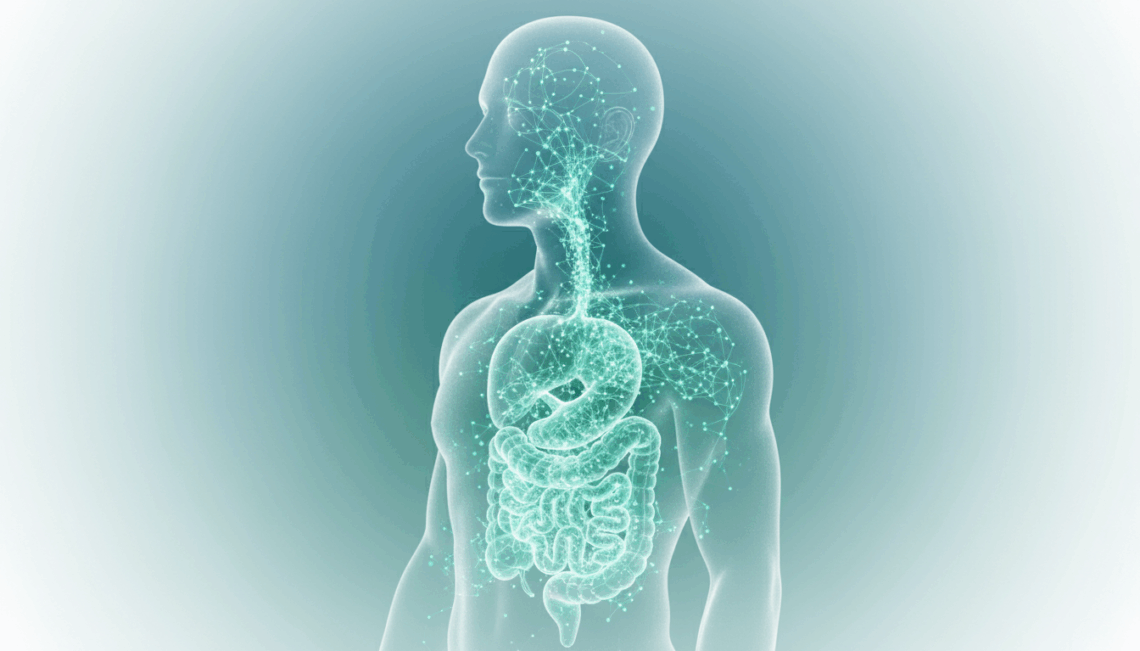
Think of your gut microbiome as a bustling city inside your intestines. In a healthy city, there’s a balanced population of “good” bacteria (probiotics) that help with essential functions like breaking down food, producing vitamins, and defending against invaders. There are also “bad” bacteria, which are harmless in small numbers but can cause problems if they grow too powerful.
An unhealthy gut, often referred to as dysbiosis, occurs when this delicate balance is disrupted. This can lead to a cascade of issues that affect your entire body, not just your stomach.
7 Common Signs of an Unhealthy Gut
Your body has ways of telling you when something is amiss in your digestive tract. Here are seven of the most common indicators that your gut health may need attention.
1. Persistent Digestive Issues
This is the most direct sign. Frequent bloating, gas, heartburn, diarrhea, or constipation are classic indicators that your gut is struggling. A healthy gut processes and eliminates waste efficiently. When bad bacteria proliferate, they can ferment food improperly, leading to excess gas and discomfort. Chronic inflammation can also interfere with normal bowel function.
2. Unintentional Weight Changes
If you’re gaining or losing weight without significant changes to your diet or exercise routine, your gut may be the culprit. An imbalanced microbiome can impair your body’s ability to absorb nutrients, regulate blood sugar, and store fat. Some types of gut bacteria are more efficient at harvesting calories from food, which can contribute to weight gain. Conversely, malabsorption can lead to weight loss.
3. Constant Fatigue and Poor Sleep
Do you feel tired all the time, even after a full night’s rest? An unhealthy gut could be a factor. A significant portion of the body’s serotonin, a hormone that affects mood and sleep, is produced in the gut. Gut dysbiosis can disrupt serotonin production, leading to sleep disturbances like insomnia or poor-quality sleep, which in turn causes persistent fatigue.

4. Skin Irritation
Skin conditions like acne, eczema, psoriasis, and rosacea are often linked to gut health. The “gut-skin axis” is a concept that recognizes the connection between gut inflammation and skin inflammation. When the gut lining becomes permeable (a condition sometimes called “leaky gut”), toxins and undigested food particles can enter the bloodstream, triggering an immune response that may manifest on the skin.
5. Food Intolerances
Food intolerances are different from allergies. They occur when your digestive system has difficulty breaking down certain foods, leading to symptoms like bloating, gas, and abdominal pain. This can be caused by a lack of certain digestive enzymes, but it is often linked to a poor quality of gut bacteria. An unhealthy gut may struggle to process foods that a healthy gut would handle with ease.
6. Mood Swings and Mental Fog
The “gut-brain axis” is a bidirectional communication network connecting your digestive system and your brain. As mentioned, the gut produces a large amount of neurotransmitters like serotonin. An imbalance in gut flora can affect this production, potentially contributing to mood swings, anxiety, and even difficulty concentrating, often described as “brain fog.”
7. Frequent Sugar Cravings
If you constantly crave sugar, your gut bacteria might be influencing your choices. Unhealthy bacteria and yeasts, like Candida, thrive on sugar. They can send signals to the brain that increase cravings for sugary foods, creating a vicious cycle. Consuming more sugar feeds these microbes, allowing them to multiply and further disrupt your gut balance.
How to Naturally Restore Gut Balance
If you recognize these signs of an unhealthy gut, don’t be discouraged. There are many effective, natural strategies you can adopt to support your microbiome and promote a healthier internal ecosystem.
Focus on a Diverse, Fiber-Rich Diet
Your gut microbes feed on fiber, particularly prebiotic fiber. Prebiotics act as fertilizer for your good bacteria. Include a wide variety of fruits, vegetables, legumes, and whole grains in your diet. Foods like garlic, onions, bananas, asparagus, and oats are excellent sources of prebiotics.
Incorporate Probiotic and Fermented Foods
Probiotics are live beneficial bacteria that can help repopulate your gut. Fermented foods are a fantastic natural source. Consider adding yogurt (with live cultures), kefir, kimchi, sauerkraut, miso, and kombucha to your meals. These foods introduce beneficial bacteria directly into your digestive system.
Manage Stress and Prioritize Sleep
Chronic stress and lack of sleep can negatively impact your microbiome. Implement stress-reduction techniques that work for you, such as meditation, yoga, deep breathing exercises, or spending time in nature. Aim for 7-9 hours of quality sleep per night to allow your body, including your gut, to rest and repair.
A Modern Approach to Supporting Your Gut Microbiome
While diet and lifestyle are the cornerstones of gut health, our modern lives can make it challenging to get everything we need from food alone. This is where targeted nutritional support can play a valuable role. High-quality probiotic and prebiotic supplements are designed to deliver a concentrated dose of beneficial microbes and the fuel they need to thrive.
For those seeking a convenient and effective way to address the root causes of gut imbalance, PrimeBiome offers a scientifically formulated solution. It’s a chewable gummy designed to rebalance your gut by targeting the “plaque-forming” bad bacteria that can lead to many of the symptoms discussed earlier.
PrimeBiome contains a potent blend of ingredients, including:
- Xylooligosaccharides (XOS): A powerful prebiotic that specifically feeds beneficial Bifidobacteria, helping them flourish.
- A Trio of Probiotics: Including Lactobacillus acidophilus, L. rhamnosus, and Bifidobacterium lactis, which are well-researched strains known for their ability to support digestive health, enhance nutrient absorption, and crowd out harmful bacteria.
This combination works synergistically to not only introduce good bacteria but also to create an environment where they can thrive. The easy-to-take gummy format makes it a simple addition to any daily routine, helping to restore harmony to your gut and, in turn, support healthy weight management, clearer skin, and improved energy levels.
Conclusion: Listen to Your Body
Your gut is constantly communicating with you. Learning to recognize the signs of an unhealthy gut is a powerful skill for taking control of your health. By addressing digestive discomfort, fatigue, skin issues, and other symptoms through a balanced diet, stress management, and targeted support, you can cultivate a thriving internal ecosystem. A healthy gut is foundational to overall wellness, leading to more energy, a balanced mood, and a stronger immune system.
Disclaimer: The information provided in this article is for educational purposes only and is not intended as a substitute for professional medical advice, diagnosis, or treatment. Always seek the advice of your physician or other qualified health provider with any questions you may have regarding a medical condition. Never disregard professional medical advice or delay in seeking it because of something you have read here.