Have you ever felt like you’re doing everything right but seeing no results? You’re eating clean, exercising regularly, and getting enough sleep, yet the number on the scale won’t budge, you feel constantly bloated, and your energy levels are perpetually low. It’s a frustrating cycle that can leave you feeling defeated. But what if the root of the problem isn’t your diet or workout routine, but something deeper? The answer may lie in your gut. Many people are discovering that the key to unlocking their health goals is understanding the subtle (and sometimes not-so-subtle) signs of an unhealthy gut.
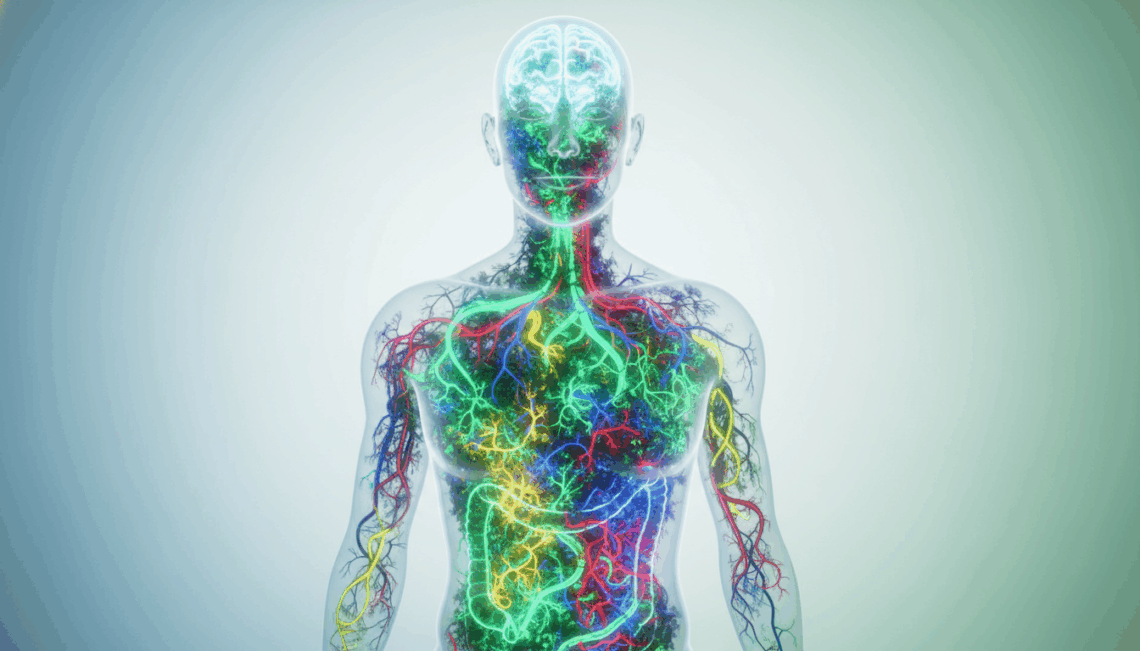
Your digestive system is far more than just a food-processing tube; it’s a complex ecosystem, often called the “second brain,” that influences everything from your mood to your immune system. When this internal environment is out of balance, it can send ripple effects throughout your entire body. Learning to recognize these signals is the first step toward reclaiming your vitality and achieving the well-being you deserve.
What Is Gut Health and Why Is It So Important?
Gut health refers to the balance of microorganisms that live in your digestive tract. Your gut is home to trillions of bacteria, fungi, and other microbes, collectively known as the gut microbiome. In a healthy gut, there’s a harmonious balance between beneficial and harmful bacteria. These beneficial microbes are crucial for several bodily functions, including:
- Digesting food: They help break down complex carbohydrates, fiber, and other compounds your body can’t digest on its own.
- Producing essential vitamins: Gut bacteria synthesize vital vitamins like vitamin K and several B vitamins.
- Supporting the immune system: A significant portion of your immune system resides in your gut. A healthy microbiome helps regulate immune responses and protect against pathogens.
- Regulating mood: The gut produces a large amount of serotonin, a neurotransmitter that affects mood, happiness, and sleep. The connection between the gut and the brain (the gut-brain axis) is a critical area of health.
When this delicate balance is disrupted—a condition known as dysbiosis—it can lead to a host of health issues. This imbalance can be caused by factors like a poor diet high in processed foods, chronic stress, lack of sleep, and overuse of antibiotics. An unhealthy gut can also contribute to a condition called “leaky gut,” where the intestinal lining becomes permeable, allowing toxins and undigested food particles to enter the bloodstream, triggering inflammation.
7 Common Signs of an Unhealthy Gut You Shouldn’t Ignore
Your body has ways of telling you when something is amiss. If you’re experiencing any of the following symptoms, it might be time to pay closer attention to your gut health.
1. Persistent Digestive Discomfort
This is perhaps the most obvious sign. Frequent gas, bloating, constipation, diarrhea, and heartburn are direct indicators that your digestive system is struggling. While it’s normal to experience these issues occasionally, persistent discomfort suggests that your gut microbiome is out of balance and unable to process food efficiently. These symptoms can make daily life uncomfortable and are often the first red flag that your gut needs support.
2. Unexplained Weight Changes
Are you gaining or losing weight without making significant changes to your diet or exercise habits? Your gut may be the culprit. An imbalanced gut can impair your body’s ability to absorb nutrients, regulate blood sugar, and store fat. Dysbiosis can lead to inflammation, which is linked to weight gain and obesity. Conversely, an unhealthy gut can also cause malabsorption, leading to unintentional weight loss. If your weight is fluctuating unexpectedly, it’s one of the key signs of an unhealthy gut.
3. Constant Fatigue and Poor Sleep
Feeling tired all the time, even after a full night’s rest? An unhealthy gut could be draining your energy. As mentioned, the gut produces a majority of the body’s serotonin, a hormone that affects both mood and sleep. An imbalanced microbiome can disrupt serotonin production, leading to insomnia or poor-quality sleep. This, in turn, creates a cycle of fatigue that can be difficult to break.
4. Skin Irritation and Problems
Your skin is often a mirror of your internal health. Conditions like eczema, psoriasis, acne, and rosacea have been linked to gut inflammation. When the gut is “leaky,” inflammatory proteins and toxins can enter the bloodstream and travel to the skin, triggering irritation and breakouts. If you’re dealing with persistent skin issues that don’t respond to topical treatments, the root cause might be in your digestive system.
5. Food Intolerances or Sensitivities
Food intolerances are different from food allergies. They occur when your digestive system has difficulty breaking down certain foods, leading to symptoms like bloating, gas, diarrhea, and abdominal pain. This difficulty can stem from a lack of certain beneficial gut bacteria that are needed to digest those foods. If you find yourself reacting negatively to an increasing number of foods, it could be a sign that your gut health is declining.

6. Mood Swings and Mental Fog
The gut-brain axis is a powerful connection. An unhealthy gut can directly impact your mental and emotional state. Inflammation originating in the gut can affect the brain, contributing to feelings of anxiety, depression, and difficulty concentrating (often called “brain fog”). If you’re experiencing unexplained mood swings or find it hard to focus, nurturing your gut could be a crucial step toward mental clarity.
7. Frequent Cravings for Sugar
Do you constantly crave sugary foods and refined carbohydrates? This might not just be a matter of willpower. The “bad” bacteria and yeast in your gut thrive on sugar. When they multiply, they can send signals to your brain that intensify cravings for the very foods that feed them. This creates a vicious cycle where eating sugar promotes the growth of unhealthy microbes, which in turn makes you crave more sugar. Reducing your intake of processed sugars can help restore balance and curb these powerful cravings.
How to Naturally Improve Your Gut Health
Recognizing the signs of an unhealthy gut is the first step. The next is taking action. Fortunately, you can make several lifestyle and dietary changes to support a healthier microbiome:
- Eat a Diverse Diet: A wide variety of fruits, vegetables, and whole grains provides the fiber and nutrients that beneficial bacteria love.
- Incorporate Probiotic and Prebiotic Foods: Probiotics are live beneficial bacteria found in fermented foods like yogurt, kefir, and kimchi. Prebiotics are types of fiber that feed these good bacteria, found in foods like garlic, onions, and bananas.
- Stay Hydrated: Drinking plenty of water is essential for maintaining the mucosal lining of the intestines and promoting a healthy digestive balance.
- Manage Stress: Chronic stress can wreak havoc on your gut. Practices like meditation, yoga, and deep breathing can help calm your nervous system and, in turn, your gut.
- Get Enough Sleep: Aim for 7-8 hours of quality sleep per night to allow your body, including your gut, to rest and repair.
When General Advice Isn’t Enough: A Targeted Approach
For many, adopting these healthy habits can make a significant difference. However, sometimes the gut lining itself has been compromised, and it needs more direct support to heal. This is where the concept of “leaky gut” becomes critical. When the intestinal wall is damaged, no amount of good food can be properly absorbed, and inflammation can become chronic.
If you’ve tried everything and still feel bloated, tired, and unable to lose weight, you may need a solution designed specifically to nourish and repair the gut lining. This is where a targeted supplement can play a crucial role. Products formulated to support the integrity of the intestinal wall can help seal the “leaks,” reduce inflammation, and allow your microbiome to finally rebalance.
PrimeBiome is one such solution, crafted with four powerful ingredients known for their ability to support a healthy gut lining and promote a thriving microbiome. By addressing the root cause of the discomfort, it helps your body absorb nutrients effectively, reduce bloating, and restore energy levels, paving the way for sustainable weight management and overall wellness.
Take Control of Your Well-Being
Your gut health is fundamental to your overall vitality. By learning to listen to your body and recognize the common signs of an unhealthy gut, you can move from a state of frustration to one of empowerment. Whether through diet, lifestyle changes, or targeted support for your gut lining, taking proactive steps to nurture your internal ecosystem is one of the best investments you can make in your long-term health and happiness.
Disclaimer
The information provided in this article is for educational purposes only and is not intended as medical advice. The content is not meant to diagnose, treat, cure, or prevent any health condition. Always consult with a qualified healthcare professional before making any decisions about your health, diet, or lifestyle, especially if you have a pre-existing medical condition or are taking any medications. Individual results may vary.