
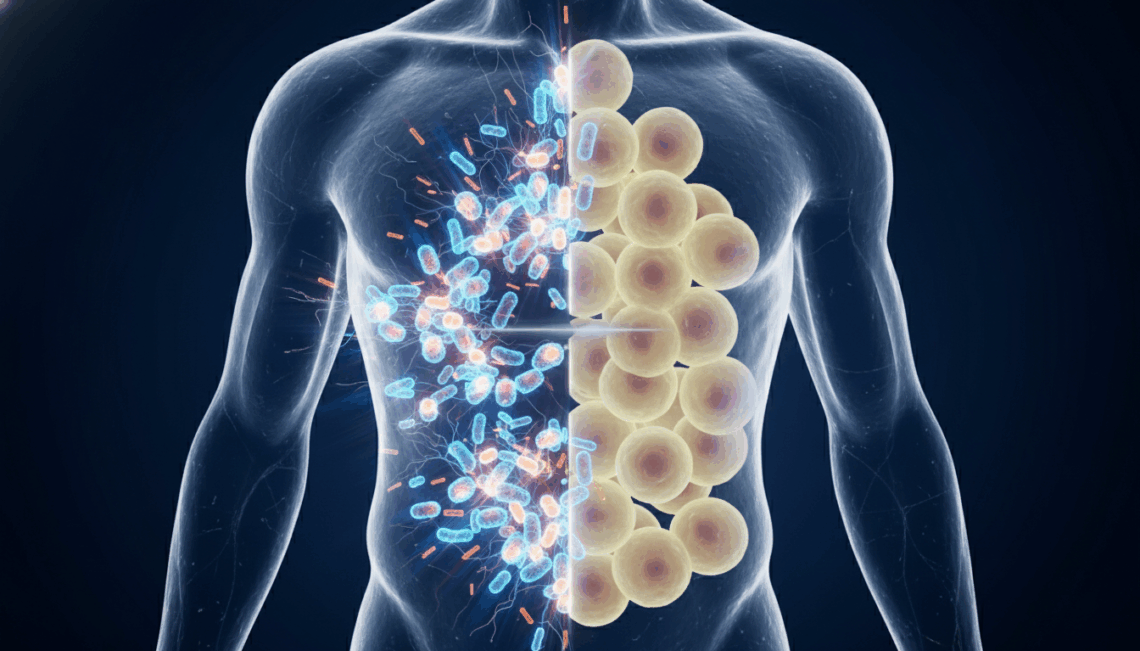
The Frustration of Unwanted Fat
You follow your diet, you exercise regularly, but that stubborn belly fat just won’t budge. It’s a frustrating experience that millions of people face, leading many to believe they’re doing something wrong or that their body is simply working against them. If you feel like you’ve hit a wall in your weight loss journey, you’re not alone. The truth is, sometimes the issue goes deeper than just calories in and calories out. Understanding the underlying causes of stubborn belly fat is the first step toward finally overcoming it.
While common advice focuses on diet and exercise—which are undeniably crucial—there are complex biological processes at play that can make certain areas of fat, particularly around the abdomen, incredibly resistant to these efforts. This article will delve into those hidden factors, exploring why your body might be holding onto fat and what you can do about it.
Common Culprits Behind Resistant Fat
Before we explore the deeper cellular reasons, it’s important to acknowledge the well-known factors that contribute to fat storage. Often, a combination of these elements creates an environment where stubborn fat thrives.
Hormonal Imbalances
Hormones act as chemical messengers in your body, and when they are out of balance, it can significantly impact your metabolism and where you store fat. Two of the most significant hormones in this equation are cortisol and insulin.
- Cortisol: Often called the “stress hormone,” cortisol is released in response to stress. Chronically high levels can lead to an increase in appetite and signal the body to store fat, particularly in the abdominal region. Modern life, with its constant pressures, can keep cortisol levels consistently elevated.
- Insulin: Insulin regulates blood sugar. A diet high in sugar and refined carbohydrates can lead to insulin resistance, a condition where your cells don’t respond effectively to insulin. This causes your body to produce more of it, promoting fat storage rather than fat burning.
Diet and Lifestyle Factors
What you eat and how you live have a direct impact on your body composition. A diet lacking in protein and fiber can leave you feeling unsatisfied, leading to overeating. Similarly, insufficient sleep disrupts the hormones that regulate appetite, such as ghrelin and leptin, making you feel hungrier and less full.
The Hidden Cause: Mitochondrial Decline
Now, let’s talk about the factor you may have never considered: the health of your mitochondria. If you think back to high school biology, you might remember that mitochondria are the “powerhouses” of your cells. They are responsible for converting the food you eat and the oxygen you breathe into cellular energy (known as ATP). This energy fuels everything you do, from thinking and moving to breathing and sleeping.
Crucially, your mitochondria are at the very core of your metabolism. A healthy, efficient mitochondrial network is essential for burning fat for fuel. When your mitochondria are functioning optimally, your body is an effective fat-burning machine.
What Happens When Mitochondria Weaken?
As we age, and due to factors like stress, poor diet, and environmental toxins, our mitochondria can become damaged and less efficient. This process is known as mitochondrial decay. When this happens, your cellular metabolism slows down. Your body becomes less effective at converting fat and glucose into energy. Instead of burning fat, it starts to store it, especially in those stubborn areas like the belly, hips, and thighs. This explains why someone in their 40s or 50s might find it exponentially harder to lose weight than they did in their 20s, even with the same diet and exercise routine. Their cellular engines are simply not as powerful as they used to be.

How to Support and Revitalize Your Mitochondria
The good news is that you are not powerless against mitochondrial decay. You can take proactive steps to support and even help renew your mitochondrial health, which can, in turn, reignite your body’s natural fat-burning capabilities.
1. Strategic Exercise
High-Intensity Interval Training (HIIT) has been shown in studies to be particularly effective at stimulating the production of new mitochondria. This involves short bursts of intense exercise followed by brief recovery periods. Resistance training, or lifting weights, is also beneficial for building muscle, which is packed with mitochondria.
2. A Mitochondria-Friendly Diet
Focus on a diet rich in antioxidants, which help protect mitochondria from damage. This includes colorful fruits and vegetables, green tea, and dark chocolate. Healthy fats, like those found in avocados, nuts, and olive oil, are also essential for mitochondrial function. Limiting sugar and processed foods is critical to reduce oxidative stress and support metabolic health.
3. Prioritize Sleep and Manage Stress
During sleep, your body performs critical cleanup and repair processes, including for your mitochondria. Aim for 7-9 hours of quality sleep per night. Likewise, managing stress through practices like meditation, yoga, or deep breathing can help lower cortisol levels, reducing the hormonal burden on your body.
A Targeted Approach to Mitochondrial Renewal
While lifestyle changes are the foundation of good health, sometimes your body can benefit from a more targeted approach. For individuals struggling with the effects of mitochondrial slowdown, a specialized supplement can provide the specific nutrients needed to support cellular renewal. This is where a formula designed to address mitochondrial health directly can be beneficial.
Mitolyn is a supplement created with this exact purpose in mind. It contains a blend of ingredients specifically chosen to help support mitochondrial function and reactivate the body’s innate fat-burning processes. By addressing one of the core causes of stubborn belly fat—cellular energy decline—it offers a different strategy for those who feel stuck. It works by providing key nutrients that help protect mitochondria from damage and support their ability to convert fat into energy efficiently.
It’s important to remember that no supplement is a magic pill. However, when combined with a healthy diet and regular exercise, a targeted mitochondrial support formula like Mitolyn can provide a significant advantage, helping to address the problem at its cellular source.
Conclusion: Taking a Deeper Look at Fat Loss
The battle against stubborn fat is often more complex than it appears. It goes beyond simple calorie counting and involves intricate hormonal and cellular processes. By understanding that weakened mitochondria can be a primary driver behind a sluggish metabolism and an inability to burn fat, you gain a new perspective on the problem. Focusing on revitalizing these cellular powerhouses through strategic exercise, proper nutrition, and targeted support can be the key to finally breaking through your weight loss plateau and achieving the results you’ve been working so hard for.
As with any new health regimen, it is always recommended to consult with a healthcare professional before adding a new supplement to your routine to ensure it is appropriate for your individual needs.