The Frustrating Cycle of Unexplained Weight Gain
You follow your diet plan meticulously. You show up for your workouts, pushing through even on days you don’t feel like it. You drink plenty of water and try to get enough sleep. Yet, the number on the scale refuses to move, or worse, it creeps upward. If you’re dealing with unexplained weight gain and bloating, this cycle can be incredibly disheartening. It’s easy to feel like you’re doing something wrong or that your body is working against you.
But what if the issue isn’t a lack of willpower or the wrong exercise plan? What if the key to unlocking your weight loss potential is hidden deep within your digestive system? Growing scientific evidence suggests a powerful connection between gut health and weight management. The complex world inside you, known as your gut microbiome, could be the missing piece of your health puzzle.
What Exactly Is the Gut Microbiome?
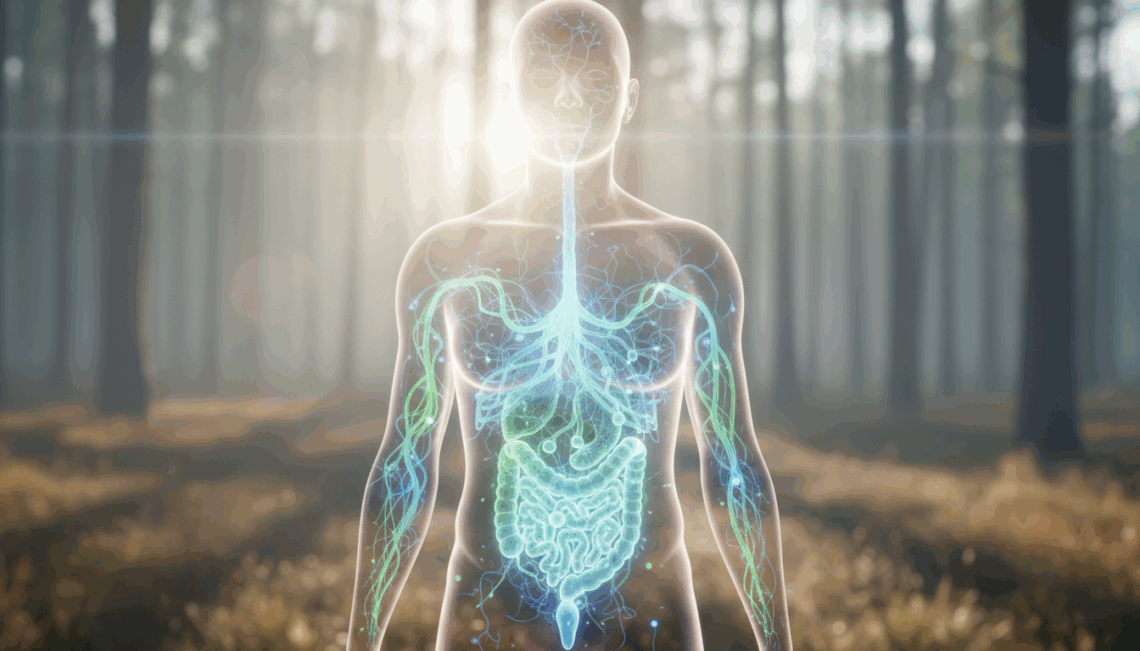
Think of your gut as a bustling city populated by trillions of microorganisms, including bacteria, fungi, and viruses. This community is your gut microbiome. In a healthy gut, there is a harmonious balance between beneficial bacteria and potentially harmful ones. These tiny residents do more than just help digest food; they play a critical role in your metabolism, immune system, and even your mood.
This delicate ecosystem is unique to you, like a fingerprint. When it’s in balance, it works efficiently to extract nutrients from your food, protect you from pathogens, and regulate various bodily functions. However, when this balance is disrupted—a state known as dysbiosis—it can set off a chain reaction of issues that may extend far beyond your digestive tract, directly impacting your ability to manage your weight.
The Surprising Link: How Gut Health Affects Your Weight
The connection between your gut and weight is not a simple one-way street. An imbalanced microbiome can sabotage your best efforts in several ways, creating a frustrating barrier to achieving your fitness goals.
1. Metabolism and Calorie Absorption
The types of bacteria in your gut can influence how many calories you extract from your food. Certain types of gut flora are more efficient at harvesting energy from complex carbohydrates, meaning two people could eat the exact same meal but absorb a different number of calories. An imbalance can lead your body to store more calories as fat.
2. Regulating Appetite and Cravings
Your gut bacteria communicate with your brain, influencing the hormones that control hunger and satiety. Ghrelin, the “hunger hormone,” and leptin, the “fullness hormone,” can be affected by your microbiome. When things are out of whack, you might experience intense cravings for sugar and processed foods, which feed the “bad” bacteria and perpetuate a cycle of unhealthy eating and weight gain.
3. Inflammation
An unhealthy gut can contribute to chronic low-grade inflammation throughout the body. Certain harmful bacteria produce toxins that can leak through the gut lining and enter the bloodstream, triggering an inflammatory response. This systemic inflammation is strongly linked to obesity and metabolic disorders like insulin resistance, making it much harder for your body to lose weight.
Signs Your Gut Is Sabotaging Your Weight Loss
How do you know if your gut is the culprit behind your weight loss struggles? The signs often go beyond the scale. If you are experiencing unexplained weight gain and bloating, you might also notice:
- Constant Digestive Distress: Frequent gas, constipation, diarrhea, or a feeling of heaviness after meals.
- Intense Sugar Cravings: An overwhelming urge for sugary snacks, which is often a sign that unhealthy microbes are demanding to be fed.
- Persistent Fatigue: Feeling tired all the time, even after a full night’s sleep, can be linked to poor nutrient absorption and inflammation originating in the gut.
- Skin Issues: Problems like acne, eczema, or rosacea can sometimes be an external reflection of an internal imbalance in your gut.
- Mood Swings: The gut-brain axis is powerful. Anxiety, depression, or brain fog can be influenced by the state of your microbiome.
Recognizing these signs is the first step toward addressing the root cause. Instead of simply trying another restrictive diet, focusing on restoring the health of your gut could be the breakthrough you need.

Key Probiotic Strains for a Balanced Gut
Restoring gut balance involves nurturing the beneficial bacteria that work in your favor. Probiotics are live microorganisms that, when administered in adequate amounts, confer a health benefit. Certain strains have been specifically studied for their potential role in supporting a healthy gut environment, which is essential for effective weight management.
Lactobacillus Family
This is one of the most well-known groups of beneficial bacteria. Strains like Lactobacillus Gasseri and Lactobacillus Rhamnosus have been researched for their potential to support a healthy body weight and reduce fat storage. They work by improving the health of the gut lining and helping to crowd out harmful bacteria.
Bifidobacterium Family
Members of this family, such as Bifidobacterium Breve, are vital for a healthy gut from infancy. They help digest dietary fiber, produce important nutrients, and support the immune system. A healthy population of Bifidobacteria is often seen in leaner individuals.
A Strategic Approach to Restoring Gut Balance
Improving your gut health is a holistic process that involves more than just one single change. It requires a multi-faceted approach that includes diet, lifestyle, and, for some, targeted supplementation.
Nourish Your Gut with Diet
Focus on a diet rich in fiber from fruits, vegetables, and whole grains. Fiber acts as a prebiotic, which is essentially food for your good gut bacteria. Incorporating fermented foods like yogurt, kefir, and kimchi can also introduce beneficial probiotics into your system.
Manage Stress and Prioritize Sleep
Chronic stress and poor sleep can negatively impact your gut microbiome. Practices like meditation, gentle exercise, and maintaining a consistent sleep schedule can have a profound positive effect on your gut health and, consequently, your weight.
The Role of Targeted Supplementation
While diet and lifestyle are foundational, providing your body with a concentrated dose of specific, beneficial probiotic strains can be a powerful strategy. A well-formulated supplement can help repopulate your gut with the allies you need to fight bloating, curb cravings, and support a healthy metabolism. Formulations like PrimeBiome are designed specifically for this purpose, combining key probiotic strains known for their role in gut health and weight management support, along with other gut-nourishing ingredients.
Your Path to Lasting Results
If you’ve been frustrated by unexplained weight gain and bloating, it’s time to look beyond the surface. Your body isn’t broken; it may just be out of balance. By shifting your focus to nurturing your gut microbiome, you address a potential root cause of your weight loss resistance. This approach isn’t about a quick fix; it’s about creating a healthy internal environment that supports a healthy metabolism, balanced appetite, and sustainable, long-term well-being.
When you support your gut, you’re not just chasing a number on the scale. You’re investing in better digestion, clearer skin, a more stable mood, and increased energy. It’s a holistic path to feeling your best, inside and out. Start by making small, consistent changes to your diet and lifestyle, and consider the role a targeted probiotic supplement can play in accelerating your journey back to balance.
Disclaimer: The information in this article is for educational purposes only and is not intended as medical advice. Always consult with a qualified healthcare professional before starting any new diet, exercise program, or supplement regimen, especially if you have a pre-existing medical condition or are taking medication.