Do you ever feel like your digestive system is working against you? That persistent bloating, unexplained fatigue, and frustrating skin issues can be more than just minor annoyances—they can be signals from your body that something is out of balance. For many, these are common leaky gut symptoms, a condition that occurs when the lining of your intestines becomes compromised. This isn’t just about digestion; it’s about your overall health. When your gut barrier isn’t functioning correctly, it can trigger a cascade of issues that affect your energy, mood, and well-being. Understanding these signs is the first crucial step toward reclaiming your digestive health and feeling your best.
What Exactly Is Leaky Gut Syndrome?
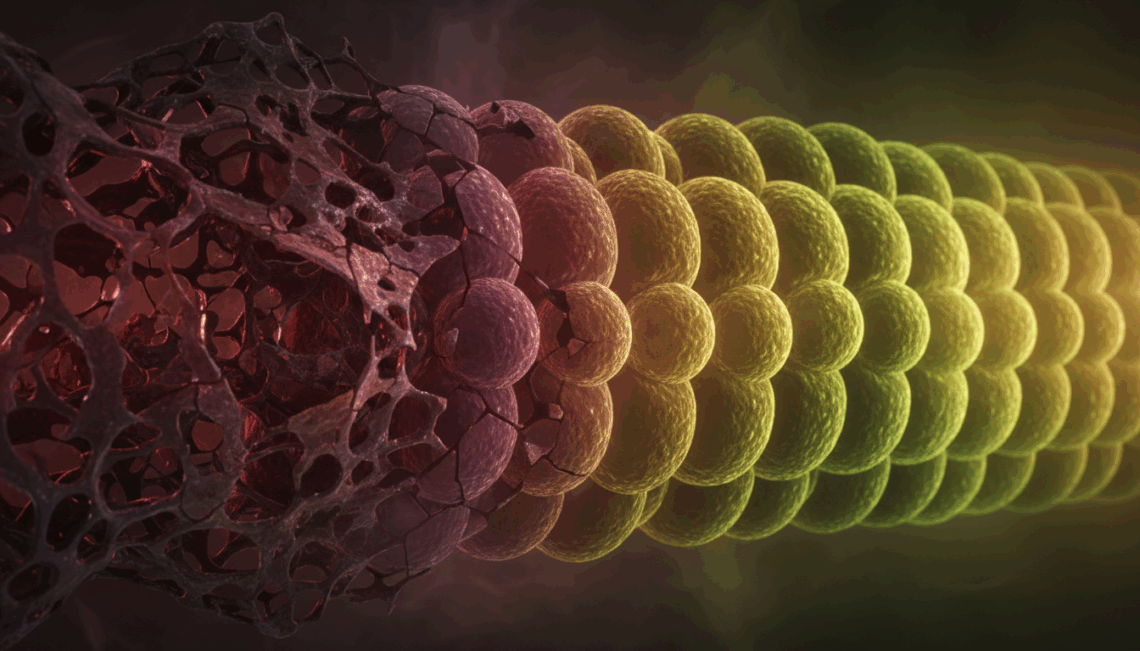
Imagine the lining of your small intestine is like a finely woven net with microscopic holes. This net is designed to let nutrients from your food pass into your bloodstream while blocking harmful substances like toxins, undigested food particles, and bad bacteria. Leaky gut syndrome, or “increased intestinal permeability,” happens when this net gets damaged. The holes become larger, allowing those harmful substances to leak into your bloodstream where they don’t belong. Your immune system sees these invaders, flags them as a threat, and launches an inflammatory response. Over time, this chronic inflammation can contribute to a wide range of health problems far beyond your digestive tract.
Common Leaky Gut Symptoms You Shouldn’t Ignore
Because a leaky gut can affect so many different systems in the body, its symptoms can be varied and sometimes confusing. They often overlap with other conditions, making it tricky to pinpoint the root cause without paying close attention to your body’s signals. Here are some of the most prevalent signs.
1. Digestive Distress
This is the most direct group of symptoms. If your gut is compromised, you’re going to feel it there first. This includes chronic bloating, excessive gas, abdominal pain, constipation, or diarrhea. Many people with Irritable Bowel Syndrome (IBS) are found to have increased intestinal permeability.
2. Unexplained Fatigue
Do you feel tired all the time, no matter how much you sleep? A leaky gut can interfere with your body’s ability to absorb essential nutrients like vitamin B12, magnesium, and iron. These nutrient deficiencies can lead to persistent fatigue and low energy levels. Furthermore, the chronic inflammation itself is a major drain on your body’s resources.
3. Skin Problems
Your skin is often a mirror of your internal health. When toxins and inflammatory proteins leak from your gut, your body may try to push them out through your skin. This can manifest as acne, eczema, psoriasis, or rosacea. Many people are surprised to learn that their frustrating skin issues have a direct connection to their gut health.
4. Food Sensitivities
If you suddenly find yourself reacting to foods you used to eat without any problem, a leaky gut might be the culprit. When undigested food particles enter the bloodstream, the immune system can mistakenly identify them as threats and create antibodies against them. This can lead to new sensitivities and inflammatory reactions whenever you eat those foods.
What Causes Intestinal Permeability?
Several factors in our modern lifestyle can contribute to damaging the delicate gut lining. A diet high in processed foods, sugar, and unhealthy fats can promote the growth of harmful bacteria that irritate the intestinal wall. Chronic stress is another major factor, as it can weaken the immune system and increase inflammation. Other potential causes include long-term use of certain medications like NSAIDs (non-steroidal anti-inflammatory drugs), excessive alcohol consumption, and infections.
Natural Strategies to Support Your Gut Health
The good news is that you can take proactive steps to support and strengthen your gut lining. The journey often begins with simple, consistent lifestyle changes.
Focus on a Gut-Friendly Diet: Reduce your intake of inflammatory foods like sugar, processed snacks, and excessive gluten or dairy if you are sensitive. Instead, focus on whole foods rich in fiber, such as fruits, vegetables, and legumes. These foods provide prebiotics, which are essential for feeding the beneficial bacteria in your gut.
Manage Stress: Incorporating stress-reducing practices like mindfulness, meditation, yoga, or even just regular walks in nature can have a profound impact on your gut health. High levels of cortisol, the stress hormone, can directly harm your gut lining.
Prioritize Sleep: Your body performs critical repair work while you sleep, including healing the cells of your intestinal wall. Aim for 7-9 hours of quality sleep per night to give your body the time it needs to recover.

The Role of Probiotics in Managing Leaky Gut Symptoms
While diet and lifestyle changes are fundamental, sometimes your gut needs extra support to restore its balance. This is where probiotics come in. Probiotics are live beneficial bacteria that help replenish and diversify your gut microbiome. A healthy, diverse microbiome is crucial for maintaining a strong intestinal barrier. These good bacteria help fortify the gut lining, crowd out harmful pathogens, and regulate the immune response, reducing inflammation.
Why a Targeted Probiotic Can Make a Difference
Not all probiotics are created equal. Simply grabbing any yogurt off the shelf might not be enough to address specific issues like a leaky gut. The effectiveness of a probiotic depends on the specific strains of bacteria it contains. Certain strains have been researched for their ability to support the integrity of the gut lining and reduce inflammation. For those looking for a comprehensive solution, a well-formulated probiotic supplement designed with gut barrier function in mind can be a powerful tool.
One such formula is PrimeBiome. It’s specifically designed with a blend of potent probiotic strains known for their ability to support a healthy gut environment. It combines key players like Lactobacillus Rhamnosus and Bifidobacterium Lactis, which work together to reinforce the intestinal wall and promote a balanced microbiome. By providing a targeted, high-quality dose of these beneficial bacteria, PrimeBiome helps address the root cause of many leaky gut symptoms, offering a direct path to supporting your digestive wellness.
Conclusion: Take Control of Your Digestive Wellness
Living with the discomfort of leaky gut symptoms doesn’t have to be your reality. By understanding the signs your body is sending you and taking proactive steps through diet, stress management, and targeted supplementation, you can support your gut’s natural healing process. A balanced microbiome is the foundation of overall health, influencing everything from your energy levels to your mood and skin. Listening to your gut is the first step on a journey toward feeling vibrant, balanced, and truly well.
Frequently Asked Questions
How long does it take to notice improvements?
Every individual is different, and the time it takes to see changes can vary. Some people may notice improvements in their digestive comfort within a few weeks of making dietary changes and starting a quality probiotic. For others, it may take a few months of consistent effort. The key is patience and consistency.
Can I get enough probiotics from food alone?
Fermented foods like yogurt, kefir, sauerkraut, and kimchi are excellent sources of probiotics. However, for those dealing with significant gut imbalances or leaky gut symptoms, the concentration and specific strains found in a high-quality supplement can provide a more targeted and potent level of support.
Is this a permanent fix?
Supporting your gut health is an ongoing process, not a one-time fix. Maintaining a healthy diet, managing stress, and continuing with supportive supplements are part of a long-term wellness strategy. Think of it as continuous care for one of your body’s most important systems.
Disclaimer: The information in this article is for educational purposes only and is not intended as medical advice. Always consult with a qualified healthcare provider before making any changes to your diet, lifestyle, or supplement regimen.