

It’s a frustratingly common story: you’re dealing with persistent bloating, gas, and an uncomfortable feeling of fullness, so you turn to probiotics. You’ve heard they are the key to a healthy gut, but after weeks or even months of consistent use, nothing changes. If you’ve ever found yourself wondering why probiotics don’t work for bloating despite your best efforts, you are not alone. This isn’t a sign of failure, but rather a clue that the root of your digestive issues might be deeper than you think.
Many people believe that simply adding “good bacteria” to their system will solve all their gut problems. However, the digestive system is incredibly complex, and for a significant number of individuals, probiotics are not the one-size-fits-all solution they are often marketed to be. The truth is, several underlying factors can render them ineffective, leaving you searching for an alternative that actually brings relief.
This article will explore the science-backed reasons why your probiotic supplement might not be easing your bloating and introduce a different, more direct approach to supporting your gut health. It’s time to move beyond the hype and understand what your body truly needs to restore balance and comfort.
Understanding Your Gut: A Quick Refresher
Before we dive into why probiotics can fail, let’s quickly review the key players in your digestive system. Your gut is home to trillions of microorganisms, collectively known as the gut microbiome. This ecosystem is crucial for digestion, immune function, and even mood regulation. A healthy gut is all about balance.
Probiotics are live beneficial bacteria found in fermented foods like yogurt and kimchi, or taken as supplements. The idea is to introduce these good microbes into your gut to bolster their populations. Prebiotics, on the other hand, are types of fiber that act as food for these beneficial bacteria, helping them thrive. Think of them as fertilizer for your internal garden. Together, they work to maintain a healthy gut environment.
The Core Problem: Why Probiotics Don’t Work for Bloating Sometimes
If probiotics are the “good guys,” why don’t they always win the battle against bloating? The reasons are multifaceted and often interconnected. Simply adding more bacteria to an already compromised system might not be the answer.
1. They Don’t Survive the Journey
Your stomach is an extremely acidic environment, designed to break down food and kill harmful pathogens. Unfortunately, this powerful acid can also destroy delicate probiotic bacteria before they ever reach your intestines, where they are needed most. Many commercial supplements lack the technology to protect these organisms, meaning a large percentage of the advertised CFUs (colony-forming units) may be inactive by the time they arrive.
2. The Strains Aren’t Right for You
The term “probiotic” is incredibly broad. There are hundreds of different strains, and each has a unique function. A strain that works wonders for one person’s constipation might do nothing for another person’s bloating. Taking a generic probiotic formula is like throwing a random assortment of seeds into a garden—you might not be planting what your specific soil needs to flourish.
3. An Unfriendly Gut Environment
If your gut lining is damaged or inflamed—a condition often referred to as “leaky gut”—it creates an inhospitable environment for new bacteria to colonize. Probiotics are like new tenants trying to move into a dilapidated house. No matter how many arrive, they won’t be able to settle in and do their job effectively until the foundation is repaired. This underlying issue is a major reason why probiotics fail to provide long-term relief.
The Next Step in Gut Health: Introducing Postbiotics
If prebiotics are the fertilizer and probiotics are the seeds, then postbiotics are the fruits—the beneficial compounds that the good bacteria produce when they digest prebiotic fiber. These compounds, such as butyrate, are directly responsible for many of the health benefits we associate with a balanced gut. They are the “end product” that your body actually uses to maintain a healthy gut lining, reduce inflammation, and support overall wellness.
Instead of trying to plant new seeds (probiotics) in potentially poor soil, the postbiotic approach involves supplying the finished product directly. This bypasses many of the problems that make probiotics ineffective. You are giving your gut the exact tools it needs to start repairing itself, regardless of the current state of your microbiome.
How Postbiotics Directly Target Bloating and Discomfort
The star player among postbiotics is a short-chain fatty acid called butyrate. A healthy gut produces plenty of butyrate, but in a compromised gut, production plummets. This is where a direct source, like the advanced Tributyrin found in supplements, becomes a game-changer for those dealing with chronic bloating.
Strengthening the Gut Barrier
Butyrate is the primary fuel source for the cells that line your colon. By providing this energy directly, postbiotics help strengthen the gut wall, effectively “sealing the leaks” in a leaky gut. A stronger barrier prevents undigested food particles and toxins from entering the bloodstream, which is a major source of inflammation and bloating.
Reducing Gut Inflammation
Chronic gut inflammation is a key driver of digestive distress, including gas and bloating. Postbiotics have powerful anti-inflammatory properties. They help calm the immune response in the gut, leading to a significant reduction in the irritation and swelling that cause discomfort.
Supporting a Balanced Microbiome
By helping to heal and seal the gut lining, postbiotics create a healthier and more stable environment. This allows the beneficial bacteria you already have—and any probiotics you may take—to finally flourish. It fixes the “house” so that the good tenants can move in and thrive, promoting long-term balance.
Finding the Right Solution for Your Gut
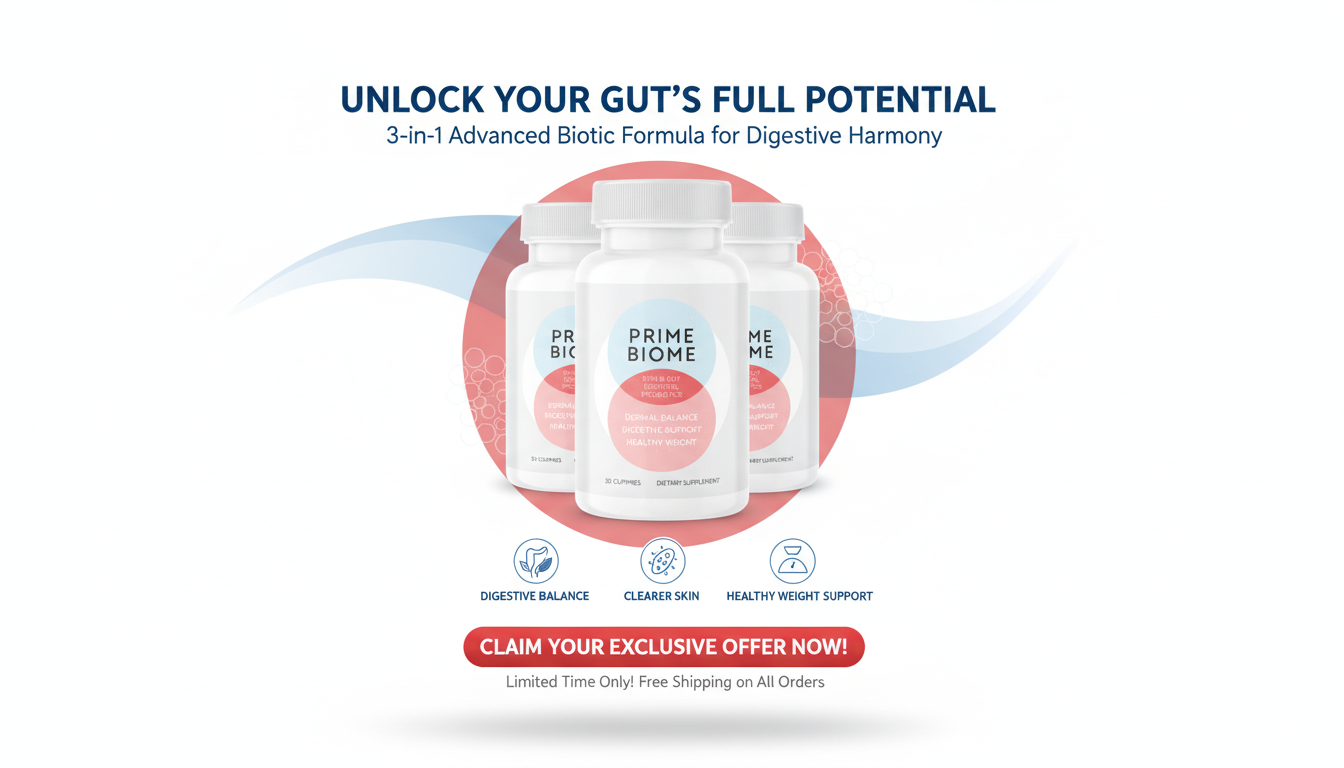
Understanding why probiotics don’t work for bloating is the first step toward finding a real solution. For many, the answer lies in addressing the health of the gut lining itself with postbiotics. This is where a targeted supplement like PrimeBiome can make a significant difference.
PrimeBiome is formulated with a clinically studied form of Tributyrin, a potent postbiotic that delivers butyrate directly to your colon. It is designed to bypass stomach acid and get to work where it’s needed most, nourishing your gut cells and helping to restore your intestinal barrier. By focusing on the root cause—the health of the gut lining—it provides a more direct path to relieving bloating, gas, and discomfort.
It’s a logical next step for anyone who has felt let down by traditional probiotics and is ready to support their gut health from a foundational level. Always remember to consult with your healthcare provider before starting any new supplement regimen to ensure it is the right choice for your individual health needs.
Conclusion: A New Path to Digestive Relief
If you’ve been stuck in a cycle of bloating and frustration, it’s time to re-evaluate your approach. The reason probiotics don’t work for bloating for so many people isn’t a mystery—it’s a matter of biology. An inflamed gut barrier and harsh stomach acid can prevent even the best probiotics from doing their job. By shifting focus from simply adding more bacteria to actively healing the gut environment with postbiotics, you can finally address the underlying issue.
Providing your body with the direct fuel it needs to repair and strengthen itself can lead to lasting relief and a renewed sense of well-being. It’s a smarter, more efficient way to achieve the digestive comfort you’ve been searching for.
Frequently Asked Questions (FAQ)
Can I take postbiotics and probiotics together?
Yes, many people find this combination beneficial. Postbiotics work to repair the gut environment, making it more hospitable for probiotics to colonize and thrive. Think of it as repairing the garden soil before planting new seeds. It’s best to consult a healthcare professional for personalized advice.
How long does it take for postbiotics to work?
Results can vary depending on the individual and the state of their gut health. Some people may notice improvements in bloating and discomfort within a few weeks, while for others, it might take a couple of months of consistent use to experience the full benefits as the gut lining heals.
Are postbiotics safe?
Postbiotics like butyrate are natural compounds that your body is supposed to produce. When taken as a high-quality supplement, they are generally considered very safe for most adults. However, if you have any pre-existing health conditions or are pregnant or nursing, it is essential to speak with your doctor before starting any new supplement.