The Hidden Saboteur: Why Uncontrollable Cravings and Weight Gain Aren’t Your Fault
You’re doing everything right. You’ve cleaned up your diet, swapping processed foods for whole grains, lean proteins, and leafy greens. You’re consistent with your workouts, sweating it out several times a week. Yet, despite your best efforts, the number on the scale remains stubbornly fixed, and that frustrating layer of belly fat just won’t budge. To make matters worse, you’re plagued by relentless, powerful cravings for sugar and carbs that feel completely out of your control. It’s a frustrating cycle that can make you feel like your own body is working against you. If this sounds familiar, you’re not alone, and it’s crucial to understand that this struggle is often not about a lack of willpower.
The truth is, there might be a hidden saboteur at play, an intricate biological system that dictates your appetite, your metabolism, and even your mood. This system is the gut microbiome, a complex ecosystem of trillions of bacteria living in your digestive tract. Recent scientific discoveries have revealed a profound connection between the health of your gut and the seemingly mysterious challenges of uncontrollable cravings and weight gain. Understanding this link is the first step toward finally breaking free from the cycle and achieving the health and body composition you’ve been working so hard for.
Decoding Your Cravings: More Than Just a Sweet Tooth
For decades, we’ve been told that cravings are a sign of weakness or a simple desire for comfort food. While emotions can certainly trigger a desire to eat, the biological reality is far more complex. Cravings are powerful signals driven by hormones, blood sugar fluctuations, and, most importantly, the inhabitants of your gut.
The Blood Sugar Rollercoaster
When you consume high-sugar or refined carbohydrate foods, your blood sugar spikes rapidly. Your body releases insulin to manage this surge, shuttling the sugar into your cells for energy. However, this process is often too efficient, leading to a subsequent crash in blood sugar. This “crash” sends a panic signal to your brain, which interprets it as an urgent need for more quick energy—leading to another intense craving for sugar. This creates a vicious cycle of spikes and crashes, keeping you locked in a pattern of wanting more and more junk food.
The Hunger Hormones: Ghrelin and Leptin
Your body has two primary hormones that regulate appetite: ghrelin and leptin. Ghrelin, often called the “hunger hormone,” signals your brain that it’s time to eat. Leptin, the “satiety hormone,” tells your brain you’re full. When these hormones are in balance, you eat when you’re hungry and stop when you’re satisfied. However, factors like poor sleep, chronic stress, and an imbalanced gut can disrupt this delicate communication, leading to increased ghrelin levels and leptin resistance. The result? You feel hungry even when you’ve just eaten, and the feeling of fullness becomes elusive.
The Gut-Brain Axis: How Your “Second Brain” Controls Your Choices
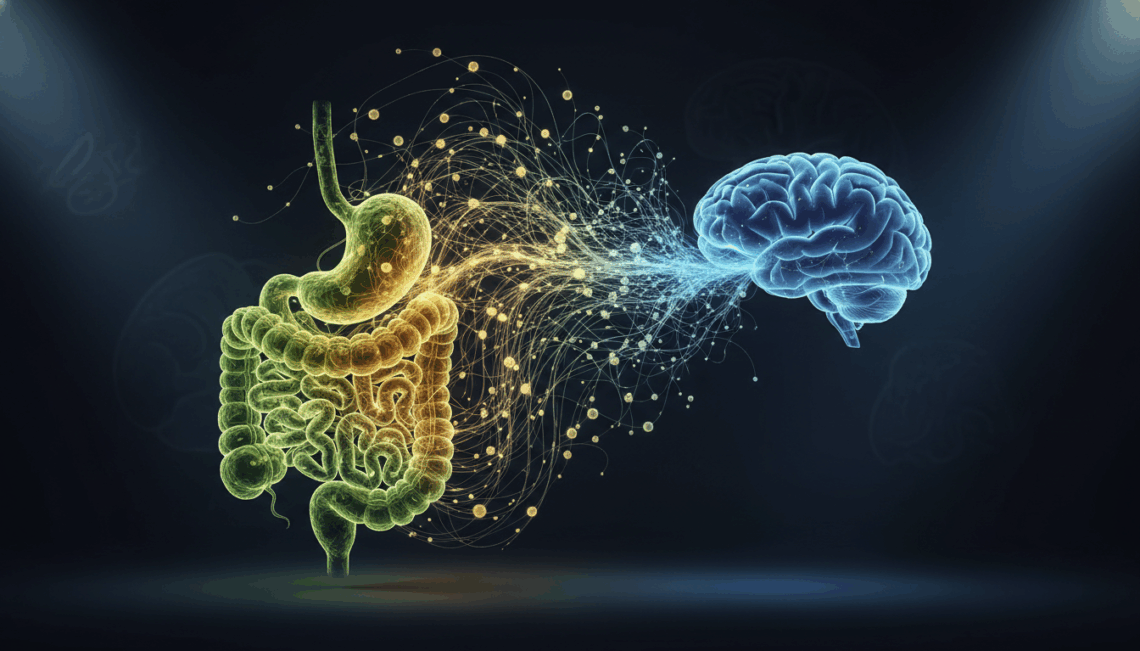
The most groundbreaking discovery in this field is the “gut-brain axis,” a constant, two-way communication highway between your digestive system and your brain. The bacteria in your gut are not passive passengers; they are active participants in your physiology. They produce neurotransmitters, including serotonin (the “feel-good” chemical) and dopamine (related to reward and pleasure), which directly influence your mood and cravings.
When your gut microbiome is out of balance—a condition known as dysbiosis—the “bad” bacteria can begin to outnumber the “good” beneficial bacteria. These harmful microbes thrive on sugar and processed foods. In a stunning display of survival, they can actually send signals up the vagus nerve to your brain, demanding more of the junk food they need to flourish. This is not just a feeling; it’s a biological manipulation. These are the cravings that feel intensely powerful and non-negotiable, overriding your conscious decision to eat healthy. This dysbiosis is a key driver behind why so many people struggle with uncontrollable cravings and weight gain, as their internal ecosystem is actively working against their goals.

Restoring Balance: The Power of Probiotics and Prebiotics
If an imbalanced gut is the problem, then restoring that balance is the solution. This is where probiotics and prebiotics come in. Probiotics are the beneficial, “good” bacteria that, when introduced into your system, help to repopulate your gut and crowd out the harmful microbes. Prebiotics are a type of dietary fiber that your body can’t digest but that serve as the primary food source for your good bacteria, helping them thrive.
Key Probiotic Strains for Weight Management
Not all probiotics are created equal. Specific strains have been studied for their significant impact on weight, fat storage, and appetite regulation. For instance:
- Lactobacillus Gasseri: Numerous studies have highlighted this strain for its potential to reduce abdominal fat and prevent weight gain. It appears to influence the hormones that control appetite and fat storage.
- Lactobacillus Rhamnosus: This strain has been linked to successful weight loss, particularly in women. It is believed to help regulate leptin levels, promoting feelings of fullness and reducing cravings.
- Lactobacillus Plantarum: Known for its robust anti-inflammatory properties, this strain helps to heal the gut lining and reduce the systemic inflammation that is often associated with obesity.
By focusing on rebalancing the gut with these types of powerful allies, you can begin to shift the internal environment from one that demands sugar to one that supports a healthy metabolism.
A Targeted Approach to Gut Health with PrimeBiome
While a healthy diet is the foundation of gut health, sometimes a more targeted approach is needed to correct a significant imbalance. This is where a well-formulated supplement like PrimeBiome can be a game-changer. It is specifically designed to address the gut-brain axis and its role in weight management.
PrimeBiome contains a synergistic blend of the key probiotic strains discussed, including L. Gasseri, L. Rhamnosus, and L. Plantarum. It doesn’t just introduce good bacteria; it provides them with the fuel they need to thrive by including powerful prebiotics like FOS and Inulin. This dual-action approach ensures that you are not only repopulating your gut but also creating a sustainable environment for these beneficial microbes to do their job effectively. By targeting the root cause of dysbiosis, PrimeBiome helps to quiet the junk food “noise” from bad bacteria, allowing your body’s natural hunger and satiety signals to function properly again.
Lifestyle Habits to Supercharge Your Gut Health
A supplement works best when it’s part of a holistic approach. To support the work of PrimeBiome and create lasting change, consider incorporating these habits into your daily routine:
1. Eat a Fiber-Rich, Diverse Diet
Feed your good bacteria what they love: fiber! Aim for a wide variety of fruits, vegetables, legumes, and whole grains. The more diverse your diet, the more diverse and resilient your microbiome will be.
2. Manage Your Stress
Chronic stress can wreak havoc on your gut health. Implement stress-management techniques like meditation, deep breathing, yoga, or spending time in nature. This helps to calm the gut-brain axis.
3. Prioritize Quality Sleep
Lack of sleep is a major disruptor of your hunger hormones and gut bacteria. Aim for 7-9 hours of quality, uninterrupted sleep per night to allow your body and your microbiome to rest and repair.
4. Stay Hydrated
Water is essential for maintaining the mucosal lining of your intestines and for promoting the balance of good bacteria. Make sure you’re drinking plenty of water throughout the day.
Conclusion: Reclaim Control by Healing Your Gut
The battle with uncontrollable cravings and weight gain is not a simple matter of calories in, calories out. It’s an intricate dance of hormones, neurotransmitters, and the trillions of microbes within you. By shifting your focus from willpower to biology, you can finally address the root cause of your struggles. Healing your gut and rebalancing your microbiome is one of the most powerful steps you can take to silence destructive cravings, boost your metabolism, and put your body back on your side. It’s time to stop fighting a losing battle and start nurturing the foundation of your health from within.
Frequently Asked Questions (FAQ)
How long does it take for probiotics to start working?
The effects can vary from person to person. Some people may notice digestive improvements within a few days, while effects on cravings and weight management may become more apparent after several weeks of consistent use as the microbiome gradually shifts.
Can I get enough probiotics from food alone?
Fermented foods like yogurt, kefir, and sauerkraut are excellent sources of probiotics. However, for a therapeutic dose of specific strains known to impact weight, like L. Gasseri, a targeted supplement often provides a more concentrated and reliable amount.
Are there any side effects to taking a probiotic supplement?
Most people tolerate probiotics well. When first starting, some may experience temporary mild digestive upset, such as gas or bloating, as the gut microbiome adjusts. This typically subsides within a few days. As with any supplement, it is always best to consult with your healthcare provider before beginning a new regimen.
Disclaimer: This article is for informational purposes only and does not constitute medical advice. The information contained herein is not intended to diagnose, treat, cure, or prevent any disease. Please consult with a qualified healthcare professional before making any changes to your diet, exercise, or supplement regimen.