
Understanding the Link Between Your Gut Health, Bloating, and Stubborn Weight
It’s a frustratingly common scenario: you’re eating clean, cutting down on calories, and trying to stay active, yet the scale won’t budge. To make matters worse, you’re constantly dealing with uncomfortable bloating that makes you feel sluggish and heavy. If this sounds familiar, you’re not alone. Millions of people struggle with this exact problem, often believing they’re just not trying hard enough. But what if the root cause isn’t on your plate or in your workout routine, but deep inside your gut? The bloating and weight gain connection is one of the most significant, yet often overlooked, factors in modern wellness. Understanding this link is the first step toward finally achieving the relief and results you’ve been working so hard for.
Your body is a complex ecosystem, and nowhere is this more evident than in your digestive tract. This internal world, known as your gut microbiome, is home to trillions of bacteria, fungi, and other microbes. When this ecosystem is in balance, it works harmoniously to digest food, absorb nutrients, and even regulate your mood. However, when it’s thrown out of balance, it can lead to a cascade of issues, with bloating and weight gain being two of the most prominent symptoms.
What Is Gut Health and Why Does It Matter So Much?
Think of your gut microbiome as a bustling city. You have beneficial bacteria (the productive citizens) and harmful bacteria (the trouble-makers). In a healthy gut, the good guys far outnumber the bad, keeping everything running smoothly. They help break down food your body can’t digest on its own, produce essential vitamins, and form a protective barrier against pathogens.
This balance is crucial for more than just digestion. Your gut health influences your immune system, your mental health, and, critically, your metabolism. When harmful bacteria begin to take over—a condition known as dysbiosis—the entire system can break down. This is where the uncomfortable symptoms start to appear, signaling that your internal ecosystem is in distress.
The Surprising Bloating and Weight Gain Connection
So, how does an imbalanced gut lead to that frustrating duo of bloating and weight gain? It happens through several interconnected mechanisms that create a cycle that can be difficult to break.
The Role of “Slimy” Bacteria in Digestive Distress
Certain types of harmful bacteria are particularly problematic. They thrive on sugars and processed foods, and as they ferment these substances in your gut, they produce excess gas. This gas is a primary cause of the painful bloating, pressure, and discomfort you feel after meals. Some research points to a “slimy” layer of these bad microbes that can coat the intestines, disrupting normal digestion and leading to chronic inflammation and gas production. It’s this constant internal pressure that leaves you feeling full and uncomfortable, even when you haven’t overeaten.
How an Imbalanced Gut Can Sabotage Weight Loss Efforts
Beyond causing bloating, this microbial imbalance directly interferes with your body’s ability to manage weight. Here’s how:
- Increased Inflammation: Harmful bacteria can trigger a low-grade, chronic inflammatory response throughout your body. Inflammation is closely linked to insulin resistance, a condition where your cells don’t respond properly to insulin, making it more likely that the calories you eat will be stored as fat, particularly around your midsection.
- Metabolic Disruption: Your gut bacteria play a role in regulating how many calories you extract from your food and how those calories are stored. An unhealthy microbiome can lead to a slower metabolism, meaning you burn fewer calories at rest.
- Cravings and Appetite: Bad bacteria feed on sugar and refined carbohydrates. They can actually send signals to your brain that increase your cravings for these very foods, creating a vicious cycle where you feed the microbes that are causing the problem in the first place.
- Poor Nutrient Absorption: When your gut is inflamed and out of balance, it can’t absorb vitamins and minerals effectively. This can leave you feeling fatigued and sluggish, making it harder to find the energy to exercise and stay active.
Signs Your Gut Might Be the Culprit
While bloating and weight gain are the most obvious signs, an unhealthy gut can manifest in many other ways. If you’re experiencing any of the following, it may be time to focus on your digestive health:
- Chronic Gas and Bloating: Feeling puffy and gassy after most meals.
- Unexplained Weight Gain: Gaining weight or being unable to lose it despite diet and exercise.
- Fatigue and Brain Fog: Feeling constantly tired and having trouble concentrating.
- Skin Issues: Problems like acne, eczema, or rosacea can have their roots in gut inflammation.
- Food Sensitivities: Suddenly reacting to foods you used to eat without issue.
- Irregular Bowel Habits: Experiencing frequent constipation, diarrhea, or both.
How to Restore Your Gut for Better Digestion and Health
The good news is that you have the power to restore balance to your gut microbiome. It starts with making conscious choices to support the beneficial bacteria and starve out the harmful ones. Lifestyle changes involving diet, exercise, and stress management are foundational. Eating a diet rich in fiber from fruits, vegetables, and whole grains provides “prebiotics”—the food your good bacteria need to thrive.
Probiotics, found in fermented foods like yogurt, kefir, and sauerkraut, can introduce beneficial bacteria into your system. However, sometimes diet alone isn’t enough to correct a significant imbalance, especially if you’re looking for more targeted support. This is where a new class of supplements can play a crucial role.
Introducing Postbiotics: The Next Level of Gut Support
While probiotics are live bacteria, postbiotics are the beneficial compounds those bacteria produce. Think of them as the “finished product” of a healthy microbiome. They include substances like short-chain fatty acids (SCFAs), enzymes, and other metabolites that directly support your gut lining, reduce inflammation, and help regulate your metabolism. Taking postbiotics is a more direct approach, delivering the beneficial compounds right where they are needed most, without having to hope the probiotics survive the journey through your stomach.
A Strategic Approach to Gut Health: PrimeBiome
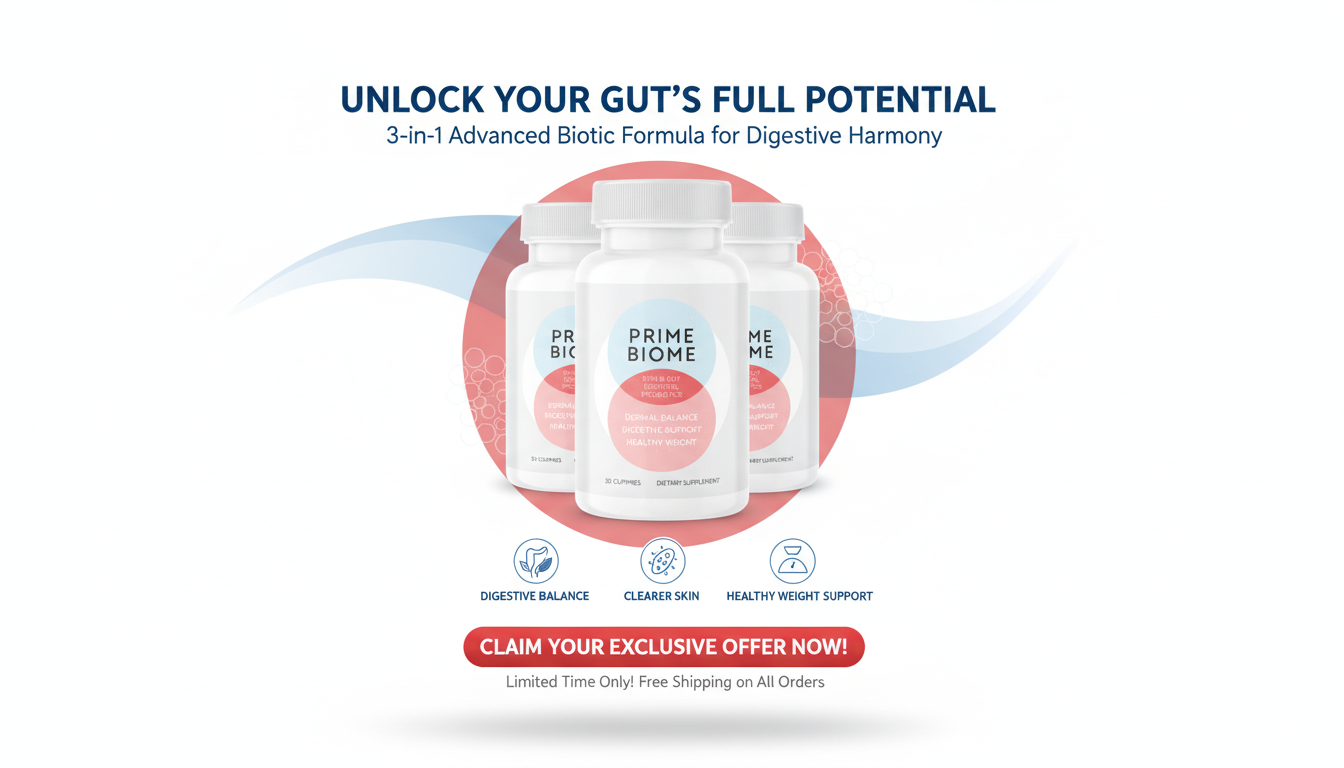
For those seeking to directly address the bloating and weight gain connection, a targeted postbiotic supplement can be a game-changer. This is where a product like PrimeBiome comes in. It’s formulated specifically to address the issues of an imbalanced gut caused by “slimy” bacteria.
PrimeBiome’s key ingredient is Tributyrin, a potent and bioavailable form of the postbiotic butyrate. Butyrate is a crucial SCFA that serves as the primary fuel source for the cells lining your colon. It helps strengthen the gut barrier, reduce inflammation, and has been shown in studies to play a role in improving insulin sensitivity and metabolism. By delivering this powerful postbiotic directly to your gut, PrimeBiome helps create an environment where beneficial microbes can flourish while making it harder for the gas-producing bad bacteria to survive.
The formula also includes targeted probiotic strains like Bifidobacterium longum and Lactobacillus plantarum, which work synergistically with the postbiotic to restore a healthy, balanced microbiome. It’s a comprehensive approach designed to tackle the root cause of bloating and metabolic disruption, rather than just masking the symptoms.
Conclusion: Take Control of Your Gut Health
The frustrating link between bloating and weight gain is not in your head. It’s a real physiological issue rooted in the health of your gut microbiome. By understanding this connection, you can shift your focus from simply eating less to actively nourishing the internal ecosystem that governs your overall health. Addressing dysbiosis by reducing your intake of sugar and processed foods, increasing your fiber intake, and incorporating powerful postbiotics can finally provide the relief you’ve been searching for. For those who need a strategic advantage, a supplement like PrimeBiome can offer the targeted support needed to break the cycle and put you back on the path to a healthier, more comfortable you.
As always, it is recommended to consult with a healthcare professional before beginning any new supplement regimen to ensure it is appropriate for your individual health needs.