
Understanding the Root Causes of Stubborn Fat
It’s a frustrating scenario many know all too well: you’re committed to a healthy diet, you exercise regularly, yet certain pockets of fat—especially around the belly, thighs, and arms—simply refuse to disappear. This experience can be disheartening, making you question if you’re doing something wrong. The truth is, you might be fighting a battle that willpower alone can’t win. Understanding the deep-rooted causes of stubborn fat is the first step toward finding a strategy that finally works.
This isn’t just about calories. Stubborn fat operates under a different set of rules, influenced by a complex interplay of hormones, genetics, and cellular processes that change as we age. Before you can effectively address the problem, you need to understand the science behind why this fat is so persistent. This guide will delve into the biological factors that make certain fat deposits so resistant to traditional weight loss methods.
Why Your Diet and Exercise Routine Might Not Be Enough
The conventional wisdom of “eat less, move more” is a solid foundation for general health, but it often falls short when targeting localized fat deposits. This is because stubborn fat has unique physiological properties. These fat cells have a higher density of alpha-2 receptors, which essentially act like a brake, telling the cells to store fat and resist releasing it. In contrast, regular fat cells have more beta-2 receptors, which respond to fat-burning signals more readily.
This biological reality means that even when you’re in a calorie deficit, your body might pull energy from easier-to-access fat stores first, leaving the stubborn areas largely untouched. It’s not a failure of your efforts but a complex biological system at play. To make progress, we need to look beyond the surface and investigate the signals your body is sending at a cellular level.
The Hormonal Factor: A Key Cause of Stubborn Fat
Hormones are powerful chemical messengers that dictate where and why your body stores fat. When they are out of balance, they can become a primary driver behind those resistant fat pockets.
Cortisol: The Stress Hormone
Chronic stress leads to elevated levels of cortisol. While essential for the “fight or flight” response, persistently high cortisol can trigger an increase in visceral fat—the dangerous type of fat that accumulates around your abdominal organs. This is why periods of high stress often correlate with an increase in belly fat, even if your diet hasn’t changed.
Insulin: The Storage Hormone
Insulin’s job is to manage blood sugar levels by helping cells absorb glucose for energy. However, a diet high in refined carbohydrates and sugars can lead to insulin resistance, a condition where cells stop responding properly to insulin. When this happens, the body overproduces insulin, signaling it to store excess sugar as fat, particularly around the midsection.
Estrogen: The Female Hormone
Estrogen levels fluctuate throughout a person’s life, especially for women. Both high and low levels can influence fat storage. Higher levels tend to promote fat storage in the hips, buttocks, and thighs. During perimenopause and menopause, as estrogen levels drop, fat storage patterns often shift, leading to more accumulation in the abdomen. This hormonal shift is a major reason why many women notice changes in their body composition with age.
Cellular Aging and “Zombie Cells”
One of the less-discussed but highly significant causes of stubborn fat is related to the aging process at a cellular level. As we get older, some of our cells enter a state called senescence. These “zombie cells” stop dividing but don’t die off. Instead, they remain in the body and secrete inflammatory substances that can damage surrounding healthy tissues.
Recent research suggests that this process, known as cellular senescence, plays a crucial role in age-related diseases and body composition changes. These zombie cells can accumulate in fatty tissue, promoting chronic low-grade inflammation. This inflammation can disrupt normal metabolic processes, making it even harder for the body to release stored fat and potentially encouraging further fat accumulation.
The Powerhouse Problem: Mitochondrial Decline
Inside almost every cell in your body are mitochondria, tiny organelles often called the “powerhouses” of the cell. Their primary function is to take fats and sugars from the food you eat and convert them into usable energy (ATP). When your mitochondria are functioning optimally, your metabolism is efficient, and your body is adept at burning fat for fuel.
However, mitochondrial function can decline with age, stress, and poor lifestyle habits. This decline means your body becomes less efficient at burning fat. Instead of being used for energy, excess calories are more likely to be stored in fat cells. This mitochondrial slowdown is a critical factor in why losing weight and, specifically, stubborn fat, becomes more challenging as you get older. Supporting mitochondrial health is emerging as a key strategy for revitalizing metabolism.

A New Approach to Targeting Stubborn Areas
Given these complex factors, it becomes clear that a new approach is needed—one that works with your body’s cellular machinery rather than just against calories. Instead of focusing solely on diet and exercise, a more holistic strategy involves addressing the root causes: balancing hormones, reducing inflammation, and supporting cellular energy production.
This is where targeted solutions can play a role. The wellness industry is beginning to focus on ingredients and formulations designed to support the very biological processes discussed above. By targeting issues like cellular senescence and mitochondrial decline, it may be possible to help your body regain its natural fat-burning efficiency.
Introducing a Targeted Cellular Serum
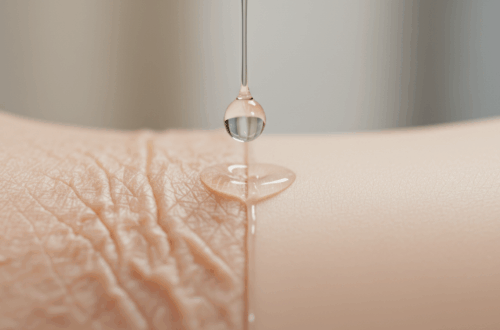
One innovative product designed around this cellular approach is Mitolyn. It’s a topical serum formulated to address the factors that contribute to stubborn fat accumulation. Rather than being just another diet pill, Mitolyn is based on the science of cellular health. Its formulation includes ingredients that are thought to support mitochondrial function and help the body manage the effects of cellular aging.
By applying it directly to problem areas like the belly, thighs, or arms, the serum is designed to deliver its ingredients where they are needed most. This represents a modern strategy that complements a healthy lifestyle by targeting the specific biological roadblocks that make fat loss so difficult for many. It offers a way to support your body from the outside in, aligning with a deeper understanding of the causes of stubborn fat.
Beyond Products: Lifestyle Habits to Support Your Goals
While targeted solutions can be beneficial, they work best as part of a comprehensive lifestyle that supports overall health. Here are some powerful habits to incorporate:
- Manage Stress: Since high cortisol is a key driver of belly fat, incorporating stress-management techniques is non-negotiable. Practices like meditation, deep breathing exercises, yoga, or even spending time in nature can help lower cortisol levels.
- Prioritize Sleep: Lack of quality sleep disrupts the hormones that regulate appetite (ghrelin and leptin) and can increase cortisol. Aim for 7-9 hours of restorative sleep per night to keep your hormonal system in balance.
- Incorporate Strength Training: Building lean muscle mass is one of the most effective ways to boost your resting metabolism. Muscle tissue is more metabolically active than fat tissue, meaning you burn more calories even at rest.
- Eat a Nutrient-Dense Diet: Focus on whole foods rich in protein, fiber, and healthy fats. This helps stabilize blood sugar, control insulin levels, and provide the necessary nutrients for optimal cellular function.
Your Path Forward
The battle against stubborn fat is not a simple matter of discipline. It’s a complex biological challenge influenced by hormones, aging, and cellular health. By understanding these root causes, you can move away from frustration and toward an empowered, effective strategy. It involves nurturing your body with a healthy lifestyle, managing stress, and considering modern, targeted solutions that work in harmony with your biology.
Remember, the goal is not just about aesthetics but about achieving a state of health where your body can function optimally. Addressing the underlying issues of stubborn fat is a powerful step in that direction. Always consult with a healthcare professional before making significant changes to your health regimen.
Frequently Asked Questions
Is stubborn fat different from regular fat?
Yes. Stubborn fat cells have a higher concentration of alpha-2 receptors, making them more resistant to releasing energy (fat burning) compared to other fat cells in the body. They are also often located in hormonally sensitive areas.
Can you truly spot-reduce fat?
Traditionally, it’s understood that you cannot spot-reduce fat through exercise alone. However, approaches that support cellular health in specific areas may help improve the appearance and metabolic activity of that tissue, complementing overall fat loss efforts.
How long does it take to see changes in stubborn fat?
This varies greatly depending on the individual, their hormonal profile, lifestyle, and consistency. Addressing stubborn fat requires patience and a multi-faceted approach. There is no overnight solution, and it’s important to have realistic expectations.