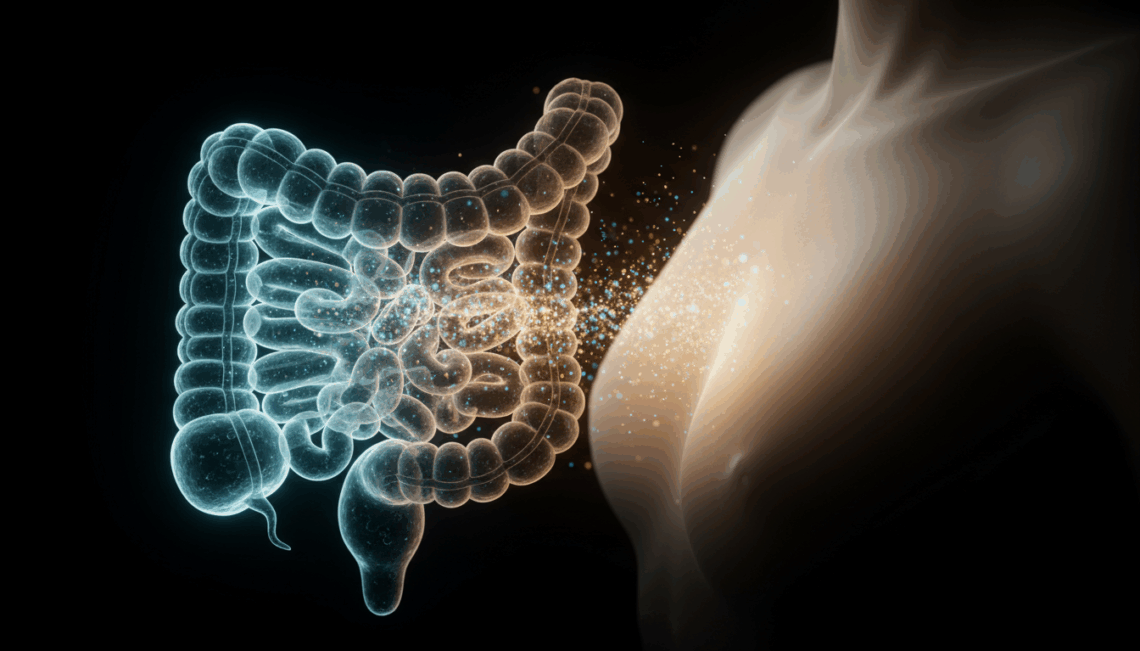
If you feel like you’re in a constant battle with your skin, you are not alone. You follow a strict skincare routine, you’ve changed your diet countless times, yet persistent acne, redness, or irritation remains. It’s a frustrating cycle that can leave you feeling hopeless. But what if the root of the problem isn’t on your face, but deep within your gut? This is where understanding the leaky gut and acne connection becomes a game-changer for many.
The concept of your gut health affecting your skin health—often called the gut-skin axis—is gaining significant scientific backing. It suggests that the chronic, low-grade inflammation that fuels skin issues like acne, rosacea, and eczema may originate from an imbalanced digestive system. This article will break down this connection in simple terms, helping you understand the underlying cause of your skin concerns and explore effective, modern solutions.
What Exactly Is Leaky Gut Syndrome?
Imagine the lining of your intestines as a tightly controlled gateway with microscopic openings. In a healthy gut, this barrier allows essential nutrients to pass into your bloodstream while blocking harmful substances like toxins, undigested food particles, and harmful bacteria. Leaky gut syndrome, or more formally “increased intestinal permeability,” occurs when this gateway becomes damaged.
The tight junctions between the cells of your intestinal wall loosen, making the barrier more porous than it should be. This allows those unwanted substances to “leak” from your digestive tract directly into your bloodstream. When your immune system detects these foreign invaders, it launches an immediate, widespread inflammatory response to neutralize the threat. While this is a protective mechanism, chronic leakage leads to chronic, body-wide inflammation—and your skin is often one of the first places it shows up.
The Scientific Link: How Leaky Gut Triggers Acne
The inflammation sparked by a leaky gut doesn’t just stay in one place; it travels throughout your body via the bloodstream and can manifest in various ways, particularly on your skin. Here’s how the process unfolds and contributes directly to acne.
Systemic Inflammation Overwhelms the Skin
Your skin is your largest organ and plays a vital role in eliminating toxins. When your bloodstream is flooded with inflammatory molecules from a leaky gut, your body tries to push them out through your skin. This inflammatory cascade can trigger breakouts by increasing sebum (oil) production and promoting the growth of acne-causing bacteria, creating the perfect storm for pimples, cysts, and redness.
Hormonal Imbalances and Gut Health
Your gut microbiome plays a crucial role in regulating hormones, including estrogen and androgens, which are known to influence acne. An unhealthy gut can disrupt this delicate hormonal balance. For instance, dysbiosis (an imbalance of good and bad gut bacteria) can lead to poor hormone metabolism, contributing to the hormonal fluctuations that often cause cystic acne along the jawline and chin.
The Gut Microbiome’s Influence
A balanced gut microbiome is essential for a strong intestinal barrier. When harmful bacteria overpower beneficial ones, they can produce toxins that further damage the gut lining, perpetuating the leaky gut cycle. This imbalance also compromises your body’s ability to absorb essential skin-healthy nutrients like zinc, vitamin A, and antioxidants, further weakening your skin’s natural defenses.
Are You Experiencing Symptoms of Leaky Gut?
While persistent acne is a major indicator, the leaky gut and acne connection is often accompanied by other subtle (and not-so-subtle) signs of digestive distress. See if any of these sound familiar:
- Digestive Issues: Chronic bloating, gas, indigestion, constipation, or diarrhea.
- Food Sensitivities: Feeling unwell after eating certain foods, especially gluten or dairy.
- Fatigue: Feeling tired and sluggish, even after a full night’s sleep.
- Brain Fog: Difficulty concentrating or feeling mentally “cloudy.”
- Joint Pain: Unexplained aches and pains in your joints.
- Other Skin Issues: Conditions like eczema or rosacea are also strongly linked to gut health.
If you’re nodding along to this list, it’s a strong signal that addressing your gut health should be a top priority in your journey to clearer skin.
Common Approaches and Why They Sometimes Fall Short
Many people who suspect a link between their diet and skin have already tried various strategies. While well-intentioned, these methods can sometimes miss the mark because they don’t address the root problem: the compromised gut barrier.
Restrictive Diets: Elimination diets can help identify trigger foods, but they are often difficult to maintain long-term and don’t actively repair the underlying damage to the gut lining. Once you reintroduce the foods, the problems often return.
Probiotics: Probiotics are beneficial bacteria that can help balance the microbiome. However, if your gut lining is severely compromised, simply adding more good bacteria might not be enough. It’s like planting a garden in unhealthy soil—the seeds won’t thrive without first nourishing the ground they’re planted in.
A More Direct Approach: The Power of Postbiotics
This brings us to a more advanced and targeted solution: postbiotics. If probiotics are the “good bacteria,” postbiotics are the beneficial compounds those bacteria produce. One of the most important postbiotics for gut health is Butyrate.
Butyrate is a short-chain fatty acid that serves as the primary fuel source for the cells lining your colon. It helps to:
- Strengthen the Gut Barrier: Butyrate helps tighten the junctions between intestinal cells, directly addressing the “leakiness.”
- Reduce Inflammation: It has powerful anti-inflammatory properties that can calm the immune response at its source.
- Balance the Microbiome: It helps create a healthy environment where beneficial bacteria can flourish.
By providing the gut with Butyrate directly, you are giving the cells the exact fuel they need to repair and regenerate, effectively fixing the “leaky” problem at its core.
Introducing a Targeted Solution for Gut and Skin Health
While you can get Butyrate from fiber-rich foods, it can be difficult to consume enough to make a therapeutic difference, especially if your digestion is already compromised. This is where a high-quality supplement can be transformative.
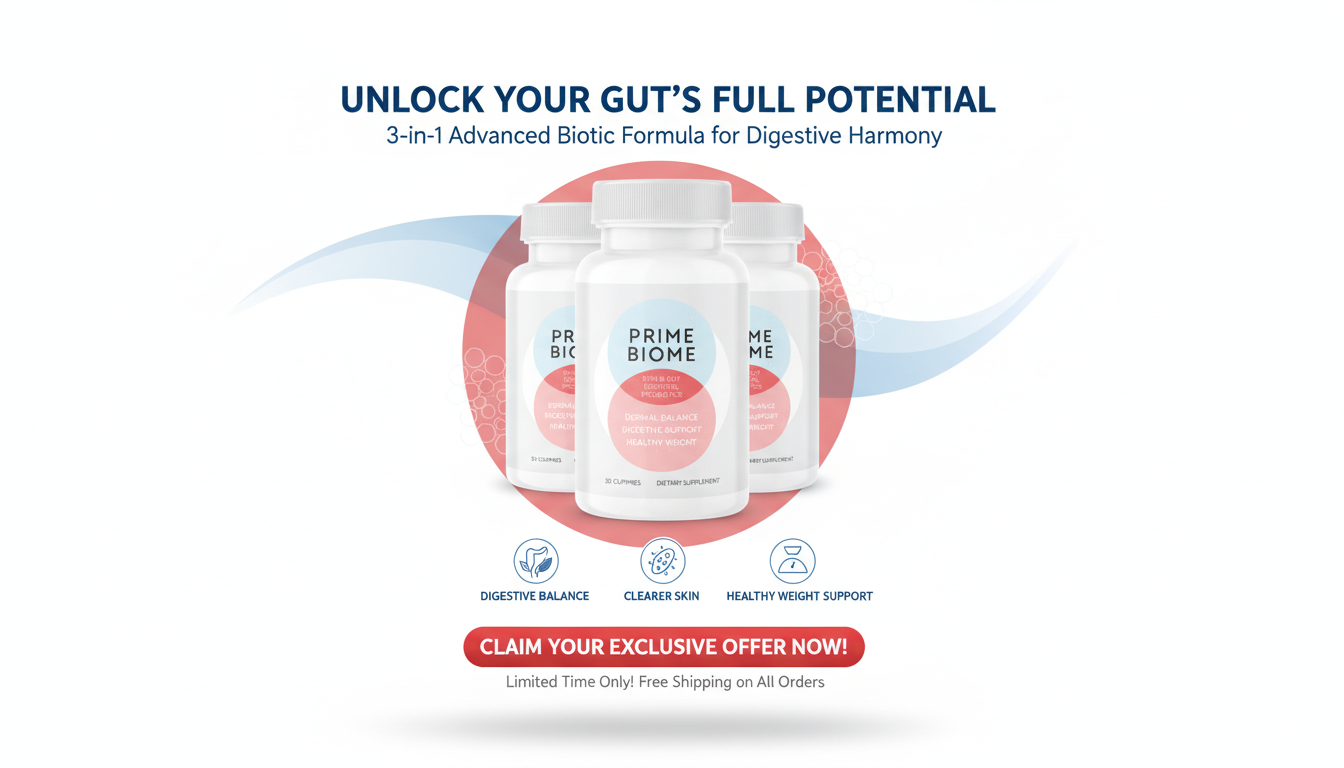
PrimeBiome is a cutting-edge postbiotic supplement designed specifically to heal the gut lining. Its key ingredient, Tributyrin-X, is a clinically studied form of Butyrate that is encapsulated to ensure it travels all the way to your colon where it’s needed most.
By delivering a concentrated dose of this gut-healing compound, PrimeBiome directly addresses the root of the leaky gut and acne connection. It works to seal the intestinal barrier, reduce systemic inflammation, and create the foundation for a healthy gut microbiome. This isn’t just another probiotic; it’s a direct tool to rebuild your gut’s first line of defense, which can lead to profound improvements in skin clarity, reduced bloating, and overall well-being.
The Path to Clearer Skin Starts Within
Breaking free from the cycle of skin frustrations requires a shift in perspective. Instead of only treating the symptoms on the surface, true healing comes from addressing the internal imbalance that causes them. The link between a leaky gut and conditions like acne is a critical piece of that puzzle.
By understanding this connection and taking targeted action to repair your gut lining, you can finally calm the systemic inflammation that drives breakouts. Nourishing your gut with powerful postbiotics like Butyrate is a foundational step toward achieving the clear, healthy skin and digestive comfort you deserve.
Disclaimer: The information provided in this article is for educational purposes only and is not intended as a substitute for professional medical advice, diagnosis, or treatment. Always seek the advice of your physician or other qualified health provider with any questions you may have regarding a medical condition. Never disregard professional medical advice or delay in seeking it because of something you have read here.