Understanding the Root of Tired-Looking Skin
Do you ever look in the mirror and feel like your skin looks… tired? It’s a common frustration. Despite a regimen of creams, cleansers, and moisturizers, you might still see a lack of radiance, persistent fine lines, and a general loss of vitality. This isn’t just about surface-level issues; it often points to a deeper problem that many skincare products fail to address. The culprit could be cellular fatigue in skin, a fundamental process that can accelerate the visible signs of aging.
For years, we’ve been told to treat the symptoms—a wrinkle here, a dry patch there. But what if we could address the very source of the problem? Understanding cellular fatigue is the first step toward reclaiming your skin’s natural energy and achieving a truly youthful, vibrant appearance. This guide will explore what this phenomenon is, why it happens, and what you can do to combat it effectively.
What Exactly Is Cellular Fatigue?
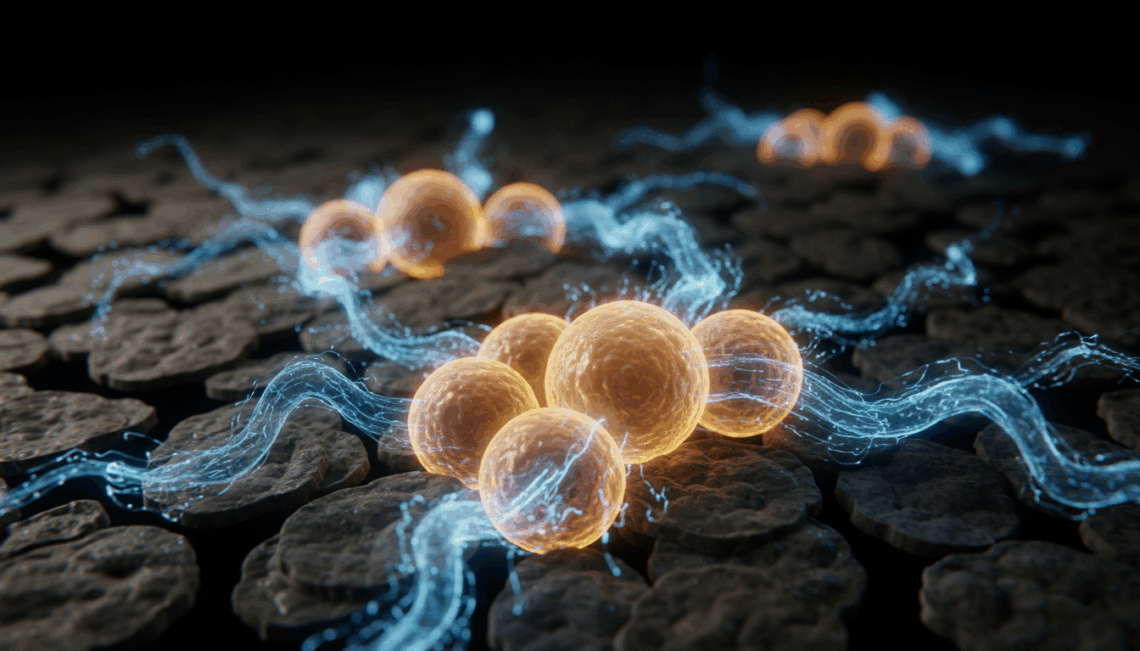
To understand cellular fatigue, we need to think of our skin cells like tiny batteries. Every cell in your body, including your skin cells, contains organelles called mitochondria. You might remember them from high school biology as the “powerhouses” of the cell. Their job is to convert nutrients into cellular energy, a molecule called adenosine triphosphate (ATP).
This energy powers everything your skin cells do:
- Repairing damage: Fixing daily wear and tear from sun exposure and environmental pollutants.
- Producing collagen and elastin: These proteins are the building blocks of firm, supple skin.
- Cell turnover: Shedding old, dead cells to reveal fresh, new skin underneath.
- Maintaining hydration: Keeping the skin barrier strong and moisturized.
Cellular fatigue in skin occurs when these mitochondrial powerhouses become less efficient. Over time, due to aging and external stressors, they can become “clogged” with cellular waste and produce less ATP. When your skin cells don’t have enough energy, all these critical functions slow down. The result is skin that not only looks tired but also ages faster.
The Visible Signs of Cellular Fatigue in Skin
When cellular energy production declines, the consequences start showing up on your face. It’s not a single issue but a cascade of problems that are all interconnected. Recognizing these signs is key to understanding that you’re dealing with more than just surface-level aging.
1. Increased Fine Lines and Wrinkles
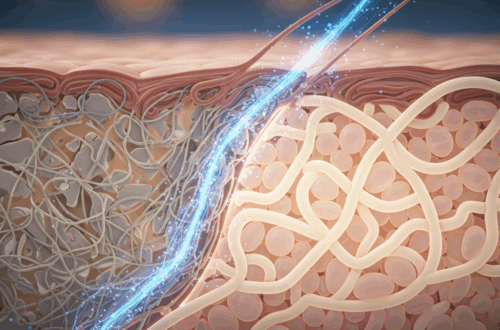
Collagen and elastin production is an energy-intensive process. When cells are fatigued, they can’t produce these structural proteins in adequate amounts. The existing collagen network begins to break down faster than it can be rebuilt, leading to a loss of firmness and the formation of wrinkles.
2. Dullness and Lack of Radiance
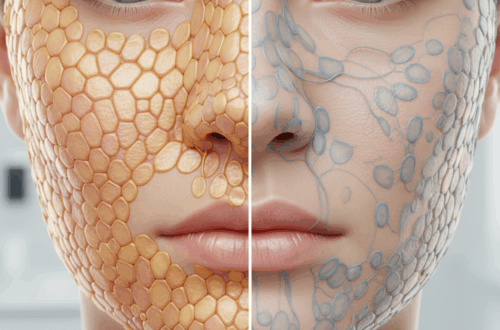
Cell turnover is crucial for a bright complexion. Fatigued cells can’t shed and replace themselves efficiently. This causes a buildup of dead, dull cells on the surface, which scatters light instead of reflecting it, robbing your skin of its natural glow.
3. Sagging and Loss of Elasticity
Just like a factory slowing down, underpowered skin cells can’t maintain the skin’s structural integrity. The skin loses its “snap” and begins to sag, particularly around the jawline, cheeks, and neck. This is a classic sign that the underlying cellular machinery is running on low power.
4. Uneven Skin Tone and Age Spots
Cellular energy is also needed to manage pigment production and repair DNA damage from UV rays. When cells are fatigued, they can’t regulate melanin properly, leading to hyperpigmentation, sun spots, and a generally uneven complexion.

What Causes This Decline in Cellular Energy?
Several factors contribute to the slowdown of our cellular powerhouses. While some are unavoidable, others are within our control.
- Natural Aging: As we get older, mitochondrial function naturally declines. It’s a normal part of the aging process throughout our entire body, and the skin is no exception.
- UV Radiation: Sun exposure is the number one accelerator of skin aging. UV rays generate free radicals, which are unstable molecules that directly damage mitochondria and DNA, impairing their ability to produce energy.
- Environmental Stressors: Pollution, smoke, and other toxins also create free radicals, putting additional stress on your skin cells and draining their energy reserves.
- Lifestyle Factors: A poor diet, lack of sleep, and chronic stress can all negatively impact mitochondrial health, contributing to widespread cellular fatigue.
How to Combat Cellular Fatigue in Skin and Restore Vitality
The good news is that you can take proactive steps to support your skin’s cellular energy. A comprehensive approach involves both internal support and targeted topical treatments to recharge your skin from the inside out and the outside in.
1. Power Up Through Lifestyle and Diet
What you put into your body has a direct impact on your cellular health. Focus on a diet rich in antioxidants, which help neutralize damaging free radicals. Foods like berries, leafy greens, nuts, and green tea are excellent choices. Ensuring you get adequate sleep is also non-negotiable, as this is when your cells perform the majority of their repair work.
2. Protect Your Skin at All Costs
The most crucial defensive measure is protecting your skin from the sun. Use a broad-spectrum sunscreen with an SPF of 30 or higher every single day, regardless of the weather. This shields your mitochondria from further UV damage, giving them a chance to recover and function properly.
3. Advanced Topical Solutions: The Direct Approach
While lifestyle changes are fundamental, targeted topical treatments can provide a more direct and potent solution for revitalizing tired skin cells. Modern dermatology has moved beyond simply moisturizing and is now focused on ingredients that can support cellular health at its core.
Scientists have been exploring compounds that can help protect mitochondria and support their energy-producing capabilities. For consumers, this has led to the development of specialized serums designed specifically to address the root causes of cellular fatigue in skin.
One innovative solution in this field is a serum called Mitolyn. It was formulated based on the principle of “unclogging” and revitalizing the mitochondria. Its patented complex contains a blend of ingredients aimed at supporting this natural energy process directly within the skin. By focusing on the cellular powerhouses, Mitolyn is designed to help your skin cells function more like they did when they were younger, leading to visible improvements in firmness, radiance, and overall skin health.
The Takeaway: Energy is Everything
The secret to youthful, vibrant skin isn’t just about masking imperfections. It’s about restoring the fundamental energy that powers your skin from within. Cellular fatigue is a real, measurable phenomenon that explains why skin can look tired, dull, and aged despite our best efforts. By understanding the critical role of your mitochondria and taking steps to support them, you can address the problem at its source.
A holistic strategy that includes a healthy lifestyle, diligent sun protection, and a targeted, energy-focused serum can help you combat the signs of aging and bring true vitality back to your complexion. It’s time to stop just treating the symptoms and start recharging your skin.
Frequently Asked Questions (FAQ)
What are the first signs of cellular fatigue?
The earliest signs are often a subtle loss of radiance or “glow.” Your skin might not look as bright and vibrant as it used to. You may also notice that fine lines are becoming more prominent or that your skin doesn’t bounce back as quickly as it once did.
Can you really reverse skin cell damage?
While you cannot turn back time, you can significantly improve skin health and appearance. By protecting cells from further damage (with sunscreen) and providing them with the right ingredients and support to function optimally, you can boost repair processes, increase collagen production, and restore a more youthful appearance. The goal is healthier, more energetic cells.
Is cellular fatigue the same as just being tired?
No. While a lack of sleep can certainly make your skin look tired temporarily, cellular fatigue is a chronic, underlying biological process related to the declining efficiency of your mitochondria. It persists even when you are well-rested and is a key factor in long-term skin aging.
Disclaimer: The information in this article is for educational purposes only and should not be considered medical advice. Always consult with a dermatologist or healthcare professional before starting any new skincare regimen, especially if you have pre-existing skin conditions.