The Gut-Skin Axis: Unlocking Clearer Skin From Within
You meticulously follow a multi-step skincare routine. You cleanse, tone, serum, and moisturize, yet you still face persistent breakouts, redness, or a dull complexion. At the same time, you might be dealing with uncomfortable bloating, gas, or digestive irregularity that seems completely unrelated. If this sounds familiar, you’re not just imagining things. A growing body of scientific evidence reveals a profound and often overlooked connection: the link between gut health and skin problems. This intricate communication network is known as the gut-skin axis, and understanding it could be the key to finally achieving the clear, radiant skin you’ve been working towards.
Many of us are taught to treat skin issues as a purely external problem. We focus on topical solutions to manage symptoms, but we often fail to ask a more fundamental question: what is causing these issues from the inside out? This article will explore the science behind the gut-skin axis, help you identify the signs that your digestion is impacting your complexion, and introduce a modern approach to nurturing your body from within for visible results on the outside.
What Exactly Is the Gut-Skin Axis?
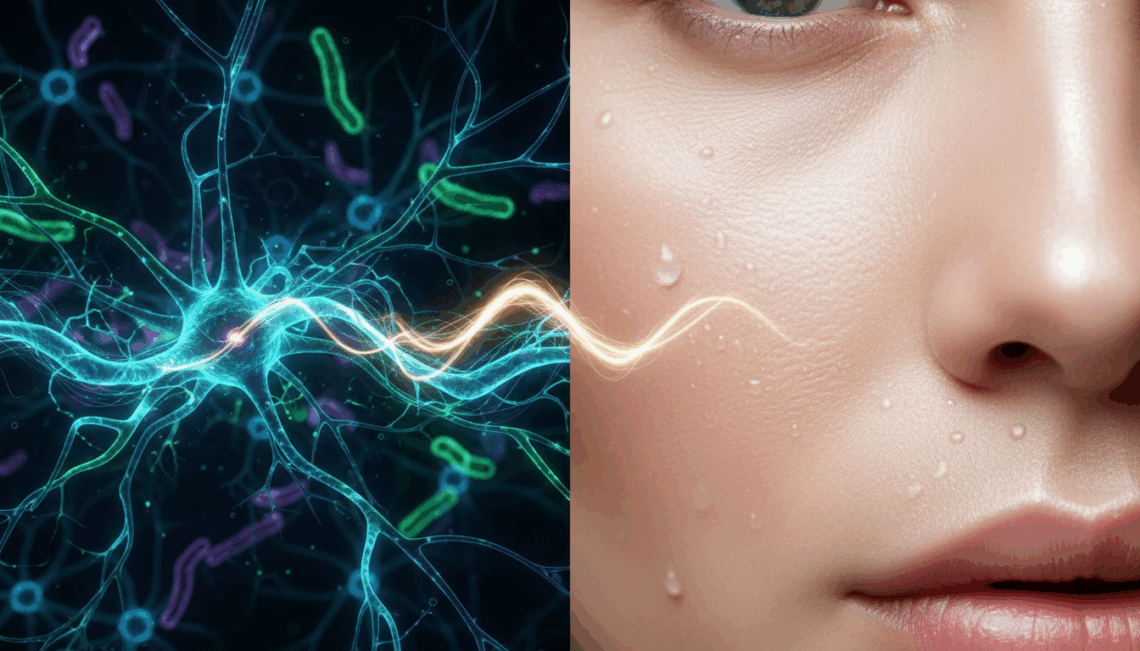
The gut-skin axis is a term for the constant, two-way communication between your gastrointestinal tract and your skin. Think of it as a superhighway of information. Your gut is home to trillions of microorganisms, including bacteria, fungi, and viruses, collectively known as the gut microbiome. When this ecosystem is balanced and diverse, it plays a critical role in your overall health—from digesting food and producing essential vitamins to regulating your immune system.
However, when this delicate balance is disrupted (a condition called dysbiosis), it can trigger a cascade of issues that extend far beyond your digestive system. An unhealthy gut can lead to systemic inflammation, immune system overreactions, and oxidative stress, all of which are primary drivers of common skin conditions. Essentially, the state of your gut is often reflected on your skin.
How Gut Imbalance Directly Affects Your Skin
When the gut microbiome is out of balance, the intestinal lining can become more permeable, a condition often referred to as “leaky gut.” This allows undigested food particles, toxins, and inflammatory molecules to “leak” from the intestines into the bloodstream. Once in circulation, the immune system identifies these as foreign invaders and mounts an inflammatory response.
This systemic inflammation can manifest in various ways on your skin, including:
- Acne: Inflammation is a key factor in the development of acne. A compromised gut can exacerbate this inflammation and also influence sebum production, leading to clogged pores and more frequent breakouts.
- Eczema and Psoriasis: These autoimmune conditions are strongly linked to immune system dysregulation. An imbalanced gut microbiome can trigger the inflammatory pathways that cause the red, itchy, and scaly patches associated with these conditions.
- Rosacea: Many individuals with rosacea are found to have a higher incidence of gastrointestinal disorders. The inflammation originating in the gut is a known trigger for rosacea flare-ups.
- Premature Aging: Chronic inflammation can break down collagen and elastin, the proteins that keep our skin firm and youthful. This can accelerate the appearance of fine lines, wrinkles, and sagging skin.
Key Signs Your Gut Is Impacting Your Complexion
Recognizing the connection starts with observing your body. Do you notice that your skin flares up at the same time you experience digestive distress? Here are some common signs that there’s a strong link between gut health and skin issues for you:
- Frequent bloating, gas, or indigestion.
- Irregular bowel habits (constipation or diarrhea).
- Skin conditions that don’t respond to topical treatments.
- Food sensitivities that seem to trigger both digestive and skin reactions.
- Unexplained skin dullness or a lackluster complexion.
If you’re nodding along, it may be time to shift your focus from solely treating your skin to supporting your gut.
Why Probiotics Aren’t Always the Complete Answer
When people decide to focus on their gut health, the first thing they often reach for is a probiotic. Probiotics, which are live beneficial bacteria, can certainly be helpful for introducing good microbes into your system. However, they are not always the most effective solution for everyone, especially when it comes to deep-seated imbalances affecting the gut-skin axis.
The challenge with many probiotics is their survivability. They have to make it through the harsh, acidic environment of the stomach to reach the intestines where they can be effective. Furthermore, they don’t directly provide the end-products that your gut lining needs to thrive. They are the workers, but they don’t always come with the finished materials. For a more direct approach, many are now turning to the next evolution in gut health: postbiotics.
The Next Step: Introducing Postbiotics for Gut and Skin Health
If probiotics are the live bacteria, postbiotics are the beneficial compounds those bacteria produce. They are the “end product” of the fermentation process in your gut. These compounds include short-chain fatty acids (SCFAs), vitamins, and other molecules that directly support your health. The most important of these for gut lining integrity is Butyrate.
By taking a postbiotic, you are essentially skipping a step and delivering the beneficial compounds directly to your gut where they are needed most. This can be a more efficient and targeted way to support gut health, especially for strengthening the gut barrier and calming inflammation—two of the most critical factors in the gut-skin axis.
How PrimeBiome Targets the Gut-Skin Connection
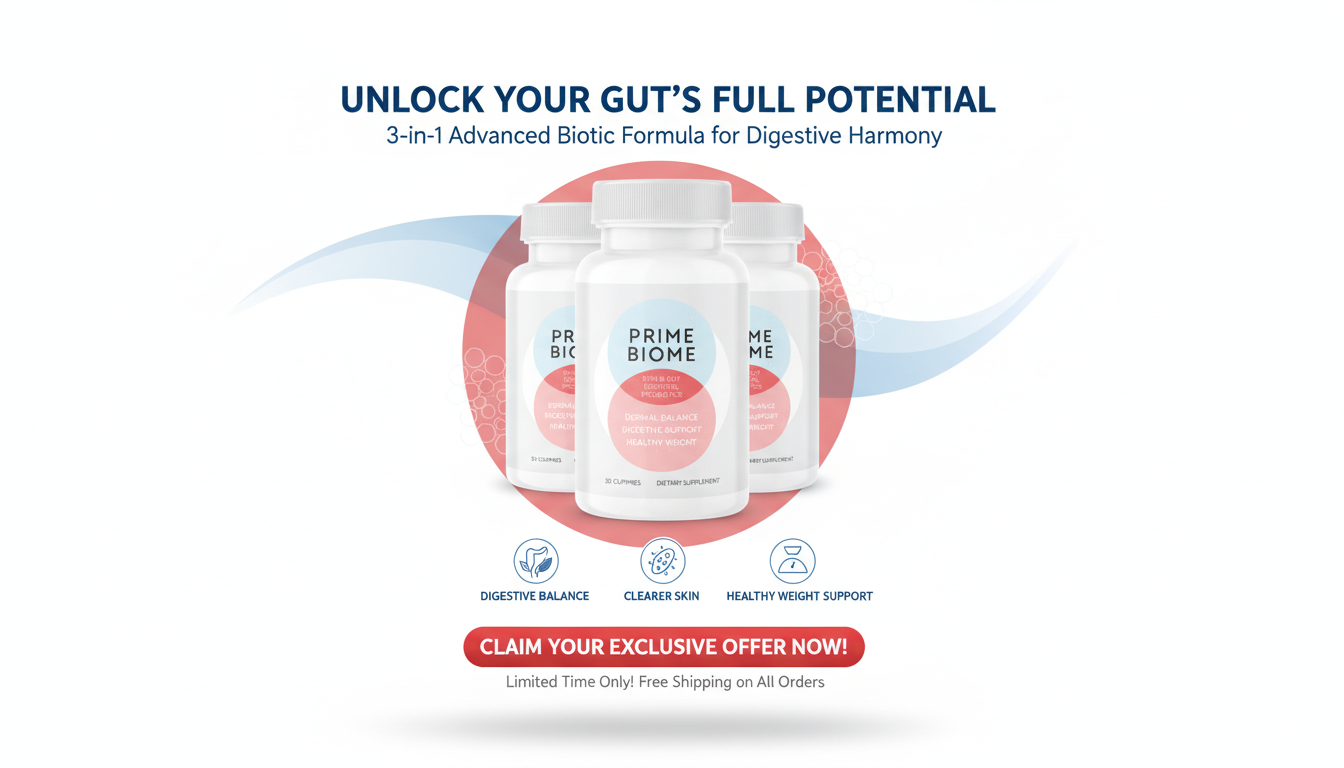
This is where a specifically formulated supplement like PrimeBiome comes into play. It is designed around the power of postbiotics, with its key ingredient being a clinically studied form of Butyrate called Tributyrin. This compound is delivered in a way that ensures it gets to the colon, where it can provide its maximum benefits.
By directly nourishing the cells of your gut lining, PrimeBiome helps to:
- Support a Healthy Gut Barrier: A stronger gut lining helps prevent toxins and inflammatory molecules from entering the bloodstream, addressing the root cause of “leaky gut.”
- Promote a Balanced Inflammatory Response: By calming the system-wide inflammation that starts in the gut, it can help reduce the triggers for inflammatory skin conditions.
- Foster a Healthy Microbiome: It helps create an environment where beneficial bacteria can flourish, further promoting overall digestive wellness.
Instead of just adding more bacteria, PrimeBiome provides the crucial nutrients your gut needs to repair and fortify itself. This inside-out approach is what makes it a compelling option for those struggling with the stubborn link between gut health and skin problems.
Creating a Holistic Routine for Better Gut and Skin Health
While a targeted supplement can be a powerful tool, it works best as part of a holistic approach to wellness. To further support your gut-skin axis, consider incorporating these habits into your daily life:
- Eat a Fiber-Rich Diet: Prebiotic fibers from fruits, vegetables, and whole grains are the food your good gut bacteria need to thrive and produce their own postbiotics.
- Manage Stress: Chronic stress can negatively impact your gut microbiome. Incorporate practices like meditation, deep breathing, or gentle exercise to manage stress levels.
- Stay Hydrated: Water is essential for both healthy digestion and hydrated, supple skin. Aim to drink plenty of water throughout the day.
- Prioritize Sleep: Quality sleep is crucial for cellular repair, including the cells of your gut lining and your skin.
It’s important to remember that achieving lasting results takes time. Before starting any new supplement regimen, it is always recommended to consult with a healthcare professional to ensure it is the right choice for your individual health needs and goals.
Your Skin Is a Reflection of Your Inner Health
The takeaway is clear: you cannot separate the health of your skin from the health of your gut. The persistent skin issues you face may not be a sign of a flawed skincare routine, but rather a signal from your body that your internal ecosystem needs support. By understanding and addressing the gut-skin axis, you move beyond treating symptoms and begin to nurture your health at a foundational level. Focusing on a healthy, sealed gut lining is a powerful strategy to calm inflammation and pave the way for a clearer, more radiant complexion to emerge from within.
Frequently Asked Questions
How long does it take to see changes in my skin after improving my gut health?
Results can vary from person to person. Some individuals may notice improvements in their digestion within a few weeks, while visible changes in the skin may take one to three months as the body works to reduce inflammation and repair itself. Consistency is key.
Can I take PrimeBiome with a probiotic?
Many people find success using both. A probiotic introduces beneficial bacteria, while a postbiotic supplement like PrimeBiome provides the direct compounds needed to nourish the gut lining. However, it is best to consult with your healthcare provider to create a supplement plan that is right for you.
Is this approach suitable for all types of skin problems?
Supporting the gut-skin axis is beneficial for overall health and can be particularly helpful for inflammatory skin conditions like acne, rosacea, and eczema. While it is a foundational piece of the puzzle, individual results can vary. This information is for educational purposes and is not a substitute for professional medical advice.