The Gut-Skin Axis: A Guide to Reversing Skin Aging Internally
You follow a diligent skincare routine, invest in high-quality serums, and never skip your nightly moisturizer. Yet, when you look in the mirror, you see deepening lines, a loss of firmness, and a complexion that seems to have lost its vitality. It’s a frustrating cycle that leaves many feeling defeated, wondering if they’re fighting a losing battle against time. But what if the secret to youthful skin isn’t in a jar on your bathroom counter? What if the root cause lies deeper, within your body? This is where a crucial connection comes into play: the relationship between gut health and skin aging.
What is the Gut-Skin Axis?
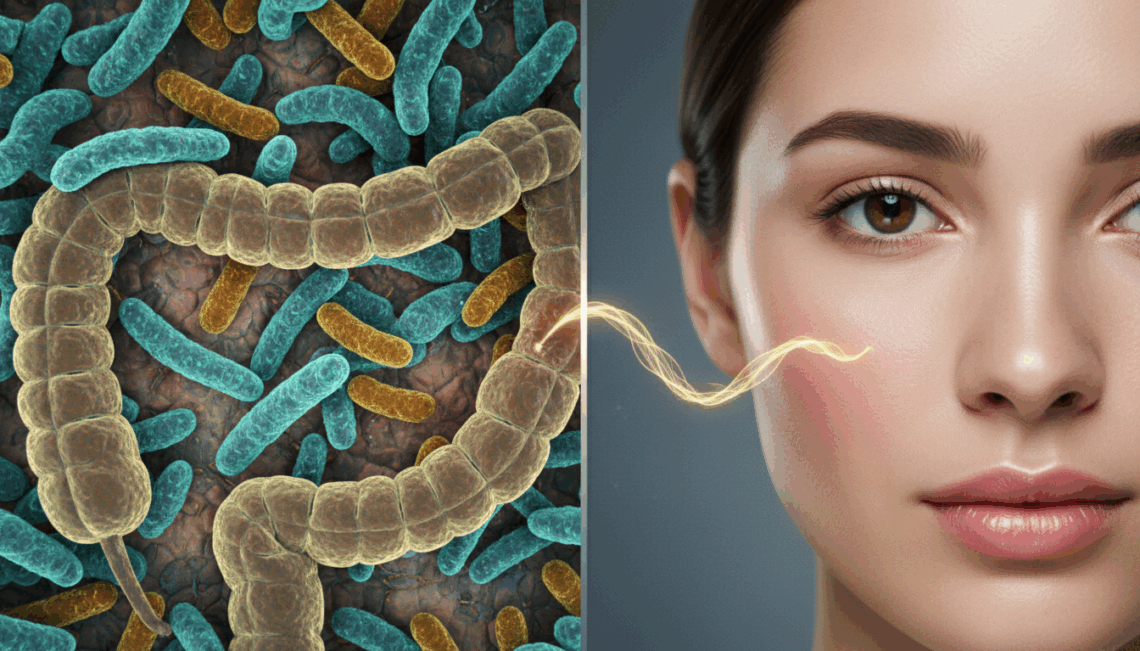
The gut-skin axis is not a new concept, but it’s gaining significant attention as we learn more about how our internal systems are interconnected. It refers to the bidirectional communication pathway between your gut and your skin. Essentially, the health of your gut microbiome—the trillions of bacteria and other microbes living in your digestive tract—directly influences the health and appearance of your skin.
Think of your gut as the command center for your body’s inflammatory responses. When the microbiome is balanced and healthy, it supports a calm, well-functioning immune system. However, when it’s out of balance, it can trigger a cascade of inflammation that shows up directly on your skin as redness, sensitivity, and, most notably, accelerated aging.
The Hidden Saboteur: How a Leaky Gut Accelerates Aging
One of the most significant ways gut health impacts the skin is through a condition known as intestinal permeability, or “leaky gut.” In a healthy gut, the intestinal lining acts as a strong barrier, controlling what gets absorbed into the bloodstream. It allows nutrients to pass through while blocking toxins, undigested food particles, and harmful bacteria.
When this lining becomes damaged, tiny gaps can form, allowing those harmful substances to “leak” into your bloodstream. Your immune system identifies these invaders and launches a powerful inflammatory attack. This chronic, low-grade inflammation is a primary driver of aging throughout the body, a phenomenon sometimes called “inflammaging.”
How does this affect your skin?
- Collagen Breakdown: Chronic inflammation releases enzymes that actively break down collagen and elastin, the two proteins responsible for your skin’s firmness and elasticity. This leads directly to sagging skin and the formation of wrinkles.
- Oxidative Stress: An imbalanced gut contributes to oxidative stress, where free radicals overwhelm the body’s antioxidant defenses. This damages skin cells, impairs their ability to repair, and leads to a dull, tired appearance.
- Reduced Nutrient Absorption: A compromised gut can’t absorb essential vitamins, minerals, and fatty acids effectively. Your skin is then starved of the very nutrients it needs to build new cells, stay hydrated, and protect itself from environmental damage.
Signs Your Gut Might Be Affecting Your Skin
While digestive symptoms like bloating, gas, or irregular bowel movements are obvious signs of an unhappy gut, the signals can also be written all over your face. If you’re experiencing any of the following, it might be time to look inward:
- Persistent acne, rosacea, or eczema
- Premature fine lines and wrinkles
- Dry, dehydrated, or dull-looking skin
- Dark spots and uneven skin tone
- Increased skin sensitivity and redness
If you’ve been treating these issues with topical products alone and seeing minimal results, it’s a strong indicator that the root cause is internal. Addressing your gut health and skin aging concerns together is the key to making a real, lasting difference.
Foundational Steps to Rebuilding Your Gut for Better Skin
Improving your gut health is a holistic process that involves consistent, positive lifestyle choices. While it won’t happen overnight, these foundational steps can set you on the right path to healing your gut and, in turn, rejuvenating your skin.
The Role of Diet: Prebiotic and Probiotic Foods
Your diet is the most powerful tool for reshaping your microbiome. Focus on incorporating a wide variety of whole, unprocessed foods.
- Probiotic Foods: These contain live beneficial bacteria that help populate your gut. Examples include yogurt, kefir, kimchi, sauerkraut, and kombucha.
- Prebiotic Foods: These are types of fiber that feed the good bacteria already in your gut. Think of them as fertilizer for your internal garden. Excellent sources include garlic, onions, asparagus, bananas, and oats.
- Polyphenol-Rich Foods: Foods like berries, dark chocolate, green tea, and olive oil are rich in polyphenols, which have antioxidant properties and support a healthy microbiome.
Lifestyle Factors: Stress, Sleep, and Hydration
Your daily habits also play a critical role in gut health. Chronic stress is known to disrupt the microbiome and damage the gut lining. Incorporating stress-management techniques like meditation, yoga, or deep breathing can have a profound impact.
Similarly, prioritize getting 7-9 hours of quality sleep per night. During sleep, your body performs essential repair processes, including healing the gut lining. Finally, staying hydrated with plenty of water is crucial for maintaining the mucosal lining of the intestines and promoting healthy digestion.
The Next Level: Why Postbiotics Are a Game-Changer
While probiotics and prebiotics are essential, there’s another, more direct way to support gut health: postbiotics. Postbiotics are the beneficial compounds that probiotic bacteria produce when they digest prebiotic fiber. They are, in essence, the “active ingredients” that provide many of the health benefits associated with a good microbiome.
One of the most important postbiotics is Butyrate. This short-chain fatty acid is the primary fuel source for the cells that line your colon. It helps to strengthen the gut barrier, reduce inflammation, and ensure the integrity of your intestinal wall. By providing the body with Butyrate directly, you can bypass the need for bacteria to produce it and deliver healing support straight to the source.
A Targeted Approach to the Gut-Skin Axis
Making dietary and lifestyle changes is the cornerstone of long-term gut health. However, for those specifically looking to address the connection between gut health and skin aging, a more targeted approach can accelerate and enhance results. This is where a specialized supplement designed for the gut-skin axis can be incredibly effective.
A formula like PrimeBiome is built on the science of postbiotics. It focuses on delivering clinically studied ingredients, like Butyrate, to directly nourish and “re-seal” the gut lining. By strengthening this crucial barrier, it helps to stop the inflammatory cascade at its source, preventing the triggers that accelerate skin aging. This inside-out approach doesn’t just mask the symptoms; it addresses the underlying cause, helping your body create healthier, more resilient skin from within. It represents a scientifically-backed method for those who are serious about moving beyond temporary surface-level fixes.
Conclusion: Your Skin is a Reflection of Your Inner Health
The quest for youthful skin should not be limited to topical treatments. The science is clear: the health of your gut is intrinsically linked to the vibrancy and youthfulness of your skin. By understanding and nurturing the gut-skin axis, you can move beyond simply managing the symptoms of aging and start addressing the root cause. A holistic approach that combines a nutrient-dense diet, a balanced lifestyle, and the targeted support of powerful postbiotics can unlock a level of skin health that no cream alone can provide.
Frequently Asked Questions (FAQ)
How long does it take to see skin improvements from gut health changes?
Results can vary depending on the individual’s starting point. Some people may notice improvements in skin hydration and calmness within a few weeks, while more significant changes in texture and firmness can take 2-3 months of consistent effort. Patience is key.
Can I just take a probiotic supplement?
Probiotics can be beneficial, but they are only one piece of the puzzle. For a probiotic to be effective, you also need to provide it with prebiotic fuel. Furthermore, postbiotic supplements offer a more direct approach by delivering the finished beneficial compounds straight to your gut lining, which can be particularly helpful for a compromised gut.
Is this approach suitable for all skin types?
Yes, supporting the gut-skin axis is beneficial for all skin types. Whether you have dry, oily, sensitive, or combination skin, reducing systemic inflammation and improving nutrient absorption will help your skin function at its best. As always, it is recommended to consult with a healthcare professional before beginning any new supplement regimen to ensure it is right for your specific needs.