The Gut-Weight Link: Why Bloating May Stall Fat Loss
You follow your diet. You make time for exercise. Yet, the number on the scale refuses to budge, and a persistent, uncomfortable bloat has become your constant companion. It’s a frustrating cycle that can leave you feeling defeated and questioning what you’re doing wrong. But what if the source of the problem isn’t another missed workout or a dietary slip-up, but something deeper within your digestive system? The bloating and weight gain connection is a critical piece of the wellness puzzle that many people overlook, and understanding it could be the key to finally achieving your goals.
For millions of people, the battle with stubborn fat is intrinsically linked to the health of their gut. This complex internal ecosystem does more than just digest food; it influences your metabolism, inflammation levels, and even your appetite. When it’s out of balance, it can manifest as bloating, gas, and an inexplicable inability to lose weight. This article will explore this vital connection, helping you understand the science behind why a troubled gut can sabotage your weight loss efforts.
What Exactly Is the Gut Microbiome?
Think of your gut as a bustling, microscopic city populated by trillions of microorganisms, including bacteria, viruses, and fungi. This community is collectively known as the gut microbiome. In a healthy state, this city is harmonious, with beneficial bacteria (probiotics) keeping potentially harmful microbes in check. These good bacteria are essential workers, helping to break down food, synthesize vital nutrients like vitamins B and K, protect against pathogens, and maintain the integrity of your intestinal lining.
A healthy microbiome is a balanced one. This balance, however, is delicate. Factors like a poor diet high in processed foods and sugar, chronic stress, lack of sleep, and the use of antibiotics can disrupt this harmony, leading to a condition called dysbiosis. In dysbiosis, the population of harmful bacteria begins to outnumber the beneficial ones, leading to a cascade of negative effects throughout the body.
The Bloating and Weight Gain Connection Explained
So, how does an imbalanced gut lead to that frustrating duo of bloating and weight gain? The connection is multifaceted, involving several biological processes that are thrown off-kilter when your microbiome is struggling.
1. Increased Inflammation
An unhealthy gut lining can become more permeable, a condition often referred to as “leaky gut.” This allows toxins and undigested food particles to “leak” into the bloodstream, triggering a response from your immune system. This leads to chronic, low-grade inflammation throughout the body. Research has consistently shown that chronic inflammation is closely linked to obesity and metabolic dysfunction, making it significantly harder for your body to shed excess weight.
2. Disrupted Calorie Absorption and Fat Storage
The composition of your gut bacteria can influence how many calories you extract from your food and how that energy is stored. Some types of gut microbes are more efficient at harvesting calories, meaning two people could eat the exact same meal but absorb a different number of calories. An imbalance can favor bacteria that promote fat storage, essentially programming your body to hold onto weight more stubbornly.
3. Impaired Metabolism and Insulin Resistance
Your gut microbiome plays a role in regulating your metabolism. Dysbiosis can contribute to insulin resistance, a condition where your cells don’t respond effectively to insulin. This causes your body to store glucose as fat, particularly around the midsection. This metabolic disruption is a significant factor in both weight gain and the difficulty in losing it.
4. Gas Production and Water Retention
Bloating itself is a direct consequence of poor digestion. When harmful bacteria dominate, they ferment undigested carbohydrates, producing excess gas that leads to that uncomfortable, swollen feeling. Furthermore, the inflammation caused by dysbiosis can lead to water retention, making you feel and look heavier than you actually are.

Signs Your Gut Health May Need Support
While bloating and weight gain are two of the most prominent signs of an unhappy gut, they are often accompanied by other symptoms. Recognizing them can help you connect the dots and realize that your digestive health might be the root cause of your struggles. Look out for:
- Chronic Digestive Issues: Beyond bloating, this includes gas, constipation, diarrhea, and heartburn.
- Constant Fatigue: An imbalanced gut can impair nutrient absorption and is linked to poor sleep quality, leaving you feeling drained.
- Skin Problems: Conditions like eczema, acne, and psoriasis can be manifestations of internal gut inflammation.
- Food Cravings: Unhealthy gut bacteria thrive on sugar and processed foods, and they can send signals to your brain that intensify cravings for these items.
- Mood Swings: A significant portion of serotonin (the “feel-good” neurotransmitter) is produced in the gut. An unhealthy microbiome can negatively impact your mood, leading to anxiety or feelings of depression.
How to Naturally Improve Your Gut Health
The good news is that you have significant power to improve your gut microbiome through lifestyle choices. Supporting your gut health is a foundational step in addressing the bloating and weight gain connection.
1. Focus on a Fiber-Rich Diet
Beneficial gut bacteria thrive on prebiotic fiber found in plant-based foods. Increase your intake of fruits, vegetables, legumes, nuts, seeds, and whole grains. These foods nourish your microbial allies and help them flourish.
2. Incorporate Fermented Foods
Foods like yogurt, kefir, sauerkraut, kimchi, and kombucha are rich in probiotics—the live beneficial bacteria themselves. Regularly consuming these can help repopulate your gut with healthy microbes.
3. Reduce Sugar and Processed Foods
Harmful bacteria feed on sugar and refined carbohydrates. By cutting back on these foods, you effectively starve the microbes that contribute to inflammation, gas, and cravings, allowing beneficial bacteria to regain control.
4. Manage Stress Levels
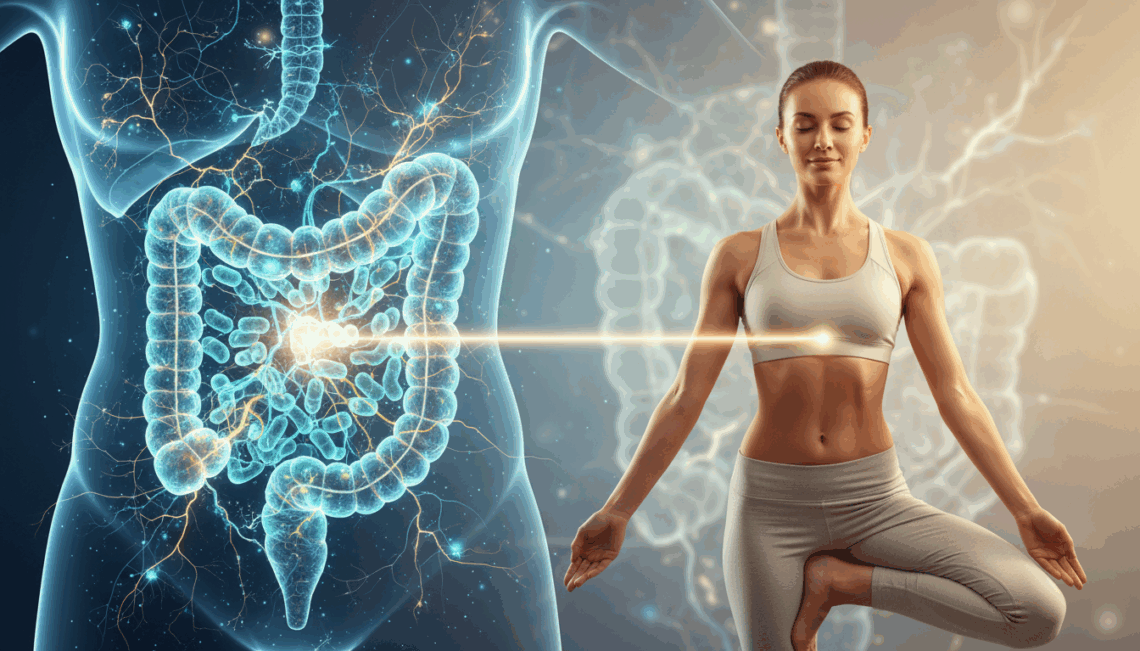
Chronic stress has a direct and negative impact on your gut health. Incorporate stress-reducing practices into your daily routine, such as meditation, deep breathing exercises, yoga, or spending time in nature.
The Emerging Role of Postbiotics for Gut Support
While many are familiar with prebiotics (fiber that feeds good bacteria) and probiotics (the good bacteria themselves), there is a third, crucial component: postbiotics. Postbiotics are the beneficial compounds, such as short-chain fatty acids and enzymes, that are produced by probiotics when they ferment prebiotic fiber. In essence, they are the “output” of a healthy gut microbiome and are directly responsible for many of its health benefits.
The advantage of postbiotics is that they deliver these beneficial compounds directly, without needing to be fermented. This can be a more efficient and stable way to support gut health, especially for individuals whose microbiomes are too imbalanced to produce these compounds effectively on their own. This modern approach focuses on providing the end-product your body needs to reduce inflammation and support a healthy intestinal lining.
For those looking for a modern, targeted approach to gut health, a supplement like PrimeBiome can be a valuable tool. It is formulated as a postbiotic that aims to deliver these beneficial compounds directly to your system. By focusing on postbiotics, PrimeBiome helps support the gut environment, which can aid in managing the factors that contribute to bloating and digestive discomfort. It is designed to complement your healthy lifestyle efforts, providing targeted support to help rebalance your system and address the core issues behind the bloating and weight gain connection.
Ultimately, achieving sustainable weight loss and feeling your best isn’t just about calories in and calories out. It’s about creating a healthy internal environment where your body can thrive. By understanding and addressing the critical link between your gut health, bloating, and weight management, you can move beyond the frustration and start a new chapter of well-being. A holistic approach that includes a nutrient-dense diet, stress management, and targeted support for your microbiome can make all the difference.
Disclaimer: The information in this article is for educational purposes only and is not intended as medical advice. Individual results may vary. Always consult with a qualified healthcare professional before starting any new diet, exercise program, or dietary supplement, especially if you have a pre-existing medical condition or are taking medication.