
The Gut-Skin Axis: Unlock Your Best Skin from Within
You’ve tried it all. The expensive serums, the multi-step cleansing routines, the targeted spot treatments. Yet, despite your best efforts, you’re still battling persistent acne, frustrating redness, or a complexion that just looks dull and tired. If this sounds familiar, you might be looking for a solution in the wrong place. The secret to radiant, healthy skin may not be in your medicine cabinet, but in your gut.
This is where the fascinating science of the gut health and skin connection comes into play. It’s a concept revolutionizing our approach to skincare, moving beyond surface-level fixes to address the root cause of many chronic skin issues. It’s time to stop fighting a surface-level battle and start nourishing your skin from the inside out.
What Exactly is the Gut-Skin Axis?
Think of the gut-skin axis as a constant, two-way communication highway between the trillions of microorganisms living in your digestive tract (your gut microbiome) and your body’s largest organ: your skin. When your gut is happy and balanced, this communication is harmonious, resulting in calm, clear, and resilient skin.
However, when the delicate balance of your gut microbiome is disrupted—a state known as dysbiosis—this communication can turn into a flood of inflammatory signals. This internal inflammation can then manifest externally, showing up on your skin as acne, eczema, rosacea, and even accelerated signs of aging.
Signs Your Gut Health Might Be Affecting Your Skin
How do you know if your skin troubles are stemming from an unhappy gut? While everyone is different, here are some common signs that your internal ecosystem might be out of balance:
- Chronic Acne and Breakouts: Especially cystic acne that is deep, painful, and resistant to topical treatments. Inflammation from the gut can trigger excess sebum production and clog pores.
- Redness and Rosacea: An imbalanced gut is often linked to the systemic inflammation that causes the flushing and persistent redness associated with rosacea.
- Eczema and Psoriasis: These inflammatory skin conditions are strongly linked to gut health. A compromised gut lining can allow particles to enter the bloodstream, triggering an immune response that shows up as patches of irritated skin.
- Premature Aging: Chronic inflammation breaks down collagen and elastin, the proteins that keep your skin firm and youthful. A troubled gut can accelerate this process, leading to fine lines and wrinkles.
- Dull, Lifeless Complexion: A healthy gut is essential for absorbing nutrients from your food. If your gut isn’t functioning optimally, your skin may not be getting the vitamins and minerals it needs to glow.
The Science Behind the Gut Health and Skin Connection
To truly understand this link, we need to look at a concept called “leaky gut” or intestinal permeability. Your gut lining is supposed to be a strong barrier, selectively allowing nutrients to pass through while keeping toxins, undigested food particles, and harmful bacteria contained.
When this lining becomes compromised due to factors like a poor diet, stress, or an imbalance of gut bacteria, it becomes “leaky.” Undesirable substances can then escape into your bloodstream. Your immune system identifies these as foreign invaders and mounts an inflammatory attack. This systemic inflammation travels throughout your body and can trigger a response in the skin, leading to the issues mentioned above.
A balanced microbiome, on the other hand, produces beneficial compounds called short-chain fatty acids (SCFAs), like butyrate. These postbiotics are crucial for strengthening the gut lining, reducing inflammation, and supporting overall health—including the health and appearance of your skin.
How to Improve Your Gut for Visibly Healthier Skin
Nourishing your gut-skin axis involves a holistic approach that combines diet, lifestyle, and, when needed, targeted supplementation. The goal is to reduce inflammation, support a diverse microbiome, and strengthen your gut barrier.
Start with Your Diet
What you eat is the most powerful tool for shaping your gut microbiome. Focus on incorporating whole, nutrient-dense foods.
- Probiotic-rich foods: These contain live beneficial bacteria. Think yogurt (with live cultures), kefir, kimchi, sauerkraut, and kombucha.
- Prebiotic-rich foods: These are the “food” for your good bacteria. Include plenty of high-fiber foods like garlic, onions, asparagus, bananas, and whole grains.
- Anti-inflammatory foods: Load up on foods rich in omega-3 fatty acids, like salmon and walnuts, as well as colorful fruits and vegetables packed with antioxidants.
Manage Lifestyle Factors
Your daily habits play a massive role in your gut health. Chronic stress is a primary culprit, as it releases the hormone cortisol, which can damage the gut lining.
- Prioritize Sleep: Aim for 7-9 hours of quality sleep per night to allow your body, including your gut, to rest and repair.
- Practice Stress Management: Incorporate activities like meditation, deep breathing, yoga, or spending time in nature to keep stress levels in check.
- Stay Hydrated: Water is essential for maintaining the mucosal lining of the intestines and promoting the balance of good bacteria.
The Role of Specialized Supplements
While diet and lifestyle are foundational, sometimes your gut needs extra support. This is where supplements come in. Probiotics can help introduce beneficial bacteria, but they aren’t always the complete solution. For the gut to thrive, it needs to produce beneficial compounds known as postbiotics.
Postbiotics are the “end product” of a healthy gut. They are the substances, like butyrate, that are created when good bacteria ferment prebiotic fiber. These compounds are directly responsible for many of the health benefits we associate with a good microbiome, including reducing inflammation and strengthening the gut wall. Giving your body a direct source of postbiotics can be a powerful shortcut to restoring balance.
A Targeted Approach: Why Postbiotics Could Be the Key
If you feel like you’re doing everything right but still not seeing results, it could be that your gut isn’t efficiently producing the postbiotics needed for skin health. This is where a targeted formula can make a significant difference.
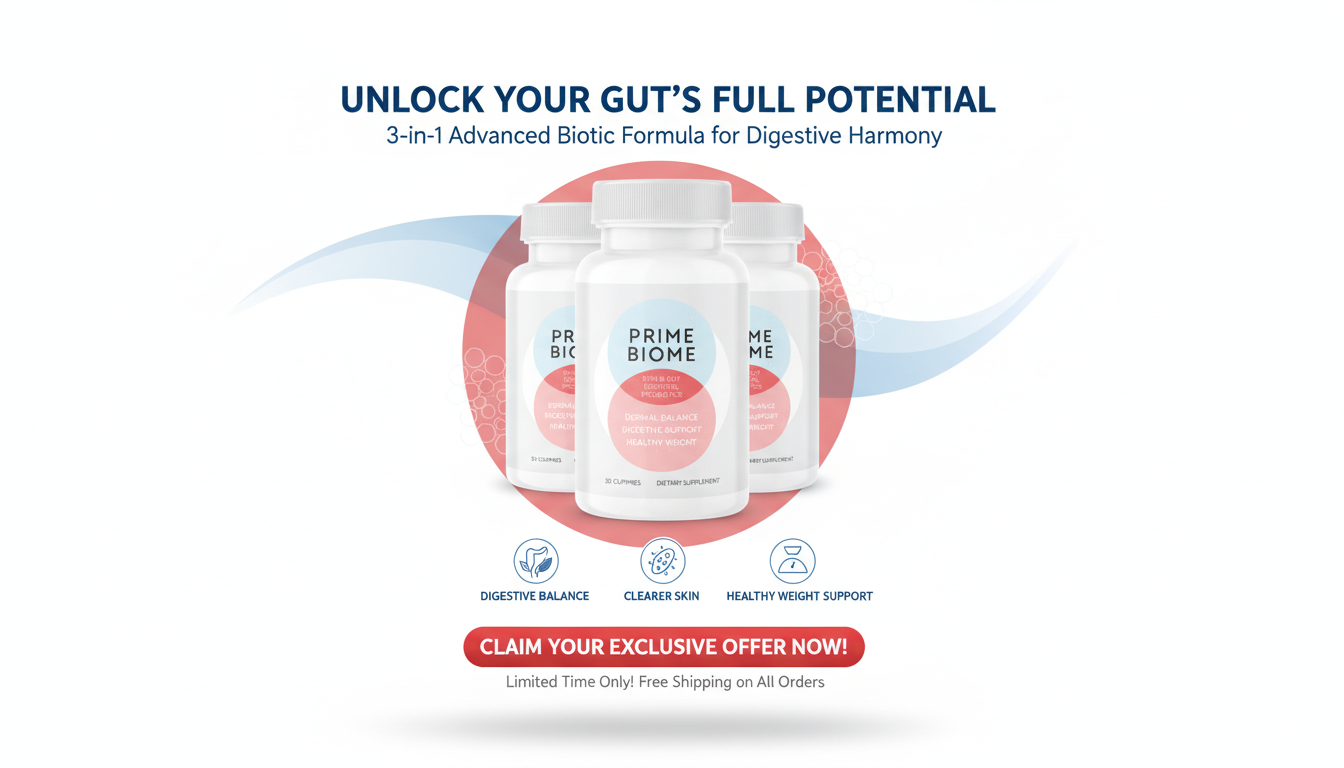
A supplement like PrimeBiome is designed specifically to address this gap. It works by delivering a patented, cutting-edge form of butyrate and other gut-supporting ingredients. Instead of just adding more bacteria (probiotics) and hoping for the best, it provides the beneficial compound your body needs to start repairing the gut lining and calming inflammation directly.
By mimicking the function of a perfectly healthy gut, PrimeBiome helps to reinforce the gut-skin axis from the inside. This supports the reduction of inflammatory signals that lead to breakouts and irritation, helping your body build clearer, more resilient skin from within. It’s a targeted approach that addresses the root cause rather than just masking the symptoms.
In conclusion, the path to truly healthy skin isn’t paved with more cleansers and creams. It begins with understanding and nurturing the profound gut health and skin connection. By adopting a gut-friendly diet, managing stress, and considering targeted support that focuses on postbiotics, you can finally address the internal triggers of your skin concerns. This holistic approach empowers you to move beyond temporary fixes and cultivate a complexion that is not only clear but is a true reflection of your inner health.
Frequently Asked Questions About the Gut-Skin Axis
Here are some common questions people have when first learning about this connection.
How long does it take to see skin improvements after improving gut health?
This varies for everyone. Some people may notice changes in a few weeks, while for others, it might take a few months of consistent effort. Skin cell turnover takes time, so patience and consistency are key.
Can I just use good skincare and ignore my gut?
You can, but it’s like trying to patch a leaking roof from the inside. Good skincare is important for protecting your skin’s outer barrier, but if there is constant inflammation coming from within, you will always be fighting an uphill battle.
Is the gut-skin connection backed by real science?
Yes. A growing body of scientific research continues to validate the intricate relationship between gut dysbiosis and various inflammatory skin conditions. It is a recognized and respected area of dermatology and gastroenterology.
Disclaimer: The information in this article is for educational purposes only. Always consult with a qualified healthcare professional before starting any new diet, exercise, or supplement regimen, especially if you have pre-existing health conditions or are taking medication.