Do you ever feel like you’re doing everything right—eating salads, avoiding junk food, maybe even hitting the gym—but your body just isn’t cooperating? You might be dealing with persistent bloating, stubborn weight that won’t budge, or a general feeling of fatigue you can’t seem to shake. If this sounds familiar, the answer might not be in another diet or workout plan, but deep within your digestive system. Many people overlook the subtle (and not-so-subtle) signs of an unhealthy gut, a condition that can silently sabotage your health goals.
What is the Gut Microbiome, and Why Does It Matter?
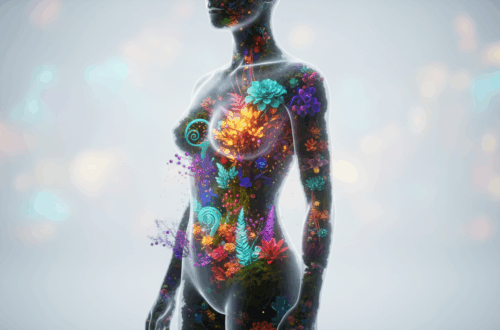
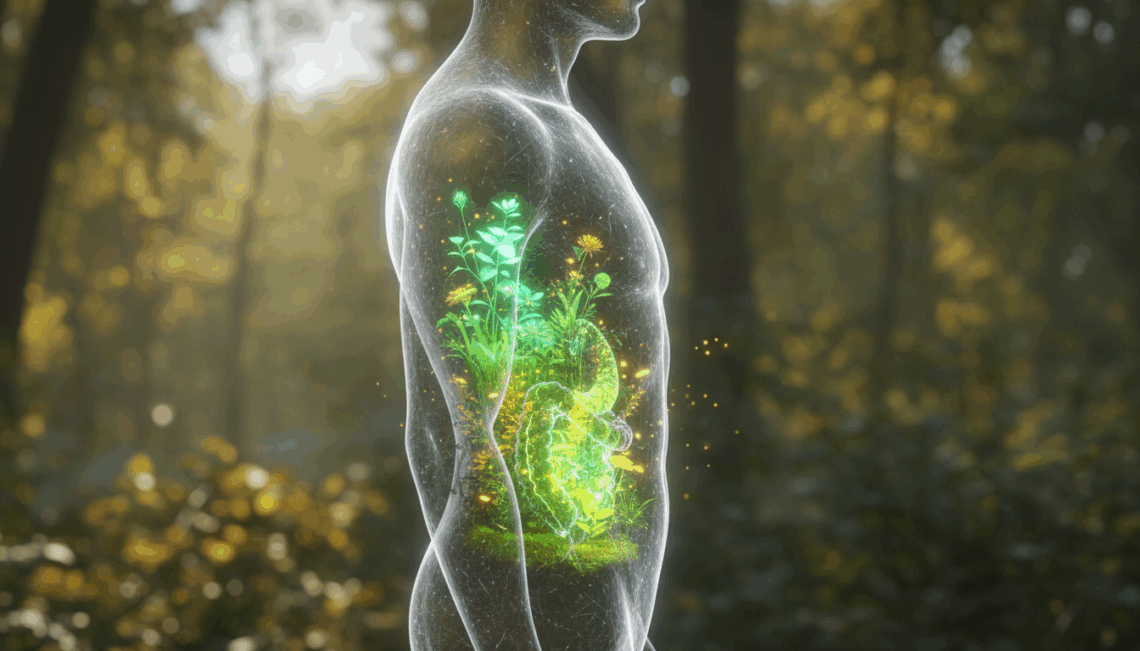
Think of your gut as a bustling city populated by trillions of microorganisms, including bacteria, fungi, and viruses. This complex community is known as your gut microbiome. In a healthy gut, there’s a harmonious balance between beneficial and harmful bacteria. These good bacteria are essential for proper digestion, absorbing nutrients, producing vital vitamins, and even regulating your mood and immune system. However, factors like a poor diet, stress, lack of sleep, and certain medications can disrupt this delicate balance, leading to a condition called dysbiosis, where harmful bacteria begin to outnumber the beneficial ones.
7 Common Signs of an Unhealthy Gut You Shouldn’t Ignore
When your gut microbiome is out of balance, it can send distress signals throughout your body. Recognizing these signs is the first step toward restoring your inner ecosystem and reclaiming your well-being.
1. Persistent Digestive Discomfort
This is perhaps the most obvious sign. Frequent gas, bloating, constipation, diarrhea, and heartburn are direct indicators that your digestive system is struggling. A healthy gut processes food efficiently with minimal discomfort. If you find yourself constantly battling these issues, it’s a clear signal that your gut flora is imbalanced and needs support.
2. Unexplained Weight Changes
Have you been gaining or losing weight without making significant changes to your diet or exercise routine? An unhealthy gut can be a major factor. An imbalanced microbiome can impair your body’s ability to absorb nutrients, regulate blood sugar, and store fat. Some types of harmful bacteria can even increase inflammation and trigger cravings for unhealthy foods, making it incredibly difficult to maintain a healthy weight.
3. Constant Fatigue and Poor Sleep
If you feel tired all the time, even after a full night’s sleep, your gut could be to blame. A significant portion of your body’s serotonin, a hormone that affects mood and sleep, is produced in the gut. Gut dysbiosis can interfere with serotonin production, leading to insomnia or poor-quality sleep, which in turn causes chronic fatigue. Furthermore, an unhealthy gut has to work overtime to process food, draining your energy reserves.

4. Skin Irritations
Your skin is often a mirror of your internal health. Conditions like acne, eczema, psoriasis, and rosacea have been linked to an imbalanced gut. Inflammation in the gut caused by a poor diet or food sensitivities can “leak” through the intestinal lining and trigger an inflammatory response in the skin. If you’re struggling with persistent skin problems, addressing your gut health could be the key to a clearer complexion.
5. Frequent Sugar Cravings
Do you constantly crave sugar and highly processed carbohydrates? It might not just be a matter of willpower. An overgrowth of certain types of yeast and harmful bacteria in your gut can actually drive these cravings. These microbes feed on sugar, so when their populations grow, they send signals to your brain demanding more of their favorite food, creating a vicious cycle that further disrupts your gut balance.
6. Mood Swings and Brain Fog
The gut is often called the “second brain” for good reason. The gut-brain axis is a direct line of communication between your digestive system and your central nervous system. An unhealthy gut can lead to inflammation and interfere with the production of neurotransmitters like serotonin and dopamine, which can contribute to mood swings, anxiety, and difficulty concentrating, often referred to as “brain fog.”
7. Weakened Immune System
Did you know that nearly 70-80% of your immune system is located in your gut? A healthy microbiome is crucial for a robust immune response. If you find yourself catching colds and other illnesses frequently, it could be one of the clearest signs of an unhealthy gut. A compromised gut lining and a lack of beneficial bacteria can weaken your body’s defenses, leaving you more susceptible to infections.
How to Restore Gut Health Naturally
Recognizing the signs is the first step, but taking action is what truly matters. Restoring your gut health is a holistic process that involves nourishing your body with the right foods and adopting healthier habits.
Focus on a Fiber-Rich, Diverse Diet
Your good gut bacteria thrive on prebiotics, which are types of dietary fiber found in fruits, vegetables, and whole grains. Aim to “eat the rainbow” by incorporating a wide variety of plant-based foods into your diet. Foods like garlic, onions, bananas, asparagus, and beans are excellent sources of prebiotics. Fermented foods like yogurt, kefir, sauerkraut, and kimchi are rich in probiotics (live beneficial bacteria) that help replenish your gut flora.
Reduce Stress and Prioritize Sleep
Chronic stress can wreak havoc on your gut microbiome. Incorporate stress-management techniques like meditation, deep breathing exercises, yoga, or spending time in nature. Similarly, aim for 7-9 hours of quality sleep per night. A consistent sleep schedule allows your gut to rest and repair, promoting a healthy microbial balance.
The Role of Probiotics and Prebiotics
While a healthy diet is the foundation, sometimes your gut needs extra support. Probiotics introduce beneficial bacteria directly into your system, while prebiotics provide the fuel they need to flourish. This powerful combination can be one of the most effective ways to rebalance your microbiome and alleviate the uncomfortable signs of an unhealthy gut.
A Strategic Approach to Supporting Your Gut Microbiome
Making lifestyle and dietary changes is crucial, but it can be a slow process. For those seeking a more direct and comprehensive approach, a targeted supplement can provide the specific strains of beneficial bacteria and nutrients your gut needs to thrive. The challenge is finding a formula that addresses the entire ecosystem.
This is where a product like PrimeBiome comes in. It’s formulated to provide a synergistic blend of prebiotics, probiotics, and other gut-supporting compounds designed to restore balance. By delivering a potent combination of beneficial microbes and the fuel they need, it helps to address the root causes of digestive discomfort, stubborn weight, and fatigue. It offers a structured way to ensure your gut is receiving the essential building blocks it needs for optimal health, complementing the positive changes you make in your daily life.
Ultimately, listening to your body is paramount. The signs of an unhealthy gut are not just minor annoyances; they are important messages telling you that your internal ecosystem needs attention. By taking proactive steps to nourish your microbiome, you can improve your digestion, boost your energy, support your weight management goals, and enhance your overall quality of life.
Disclaimer: The information in this article is for educational purposes only. Always consult with a healthcare professional before making any changes to your diet, exercise routine, or supplement regimen, especially if you have a pre-existing medical condition.