Feeling perpetually swollen, uncomfortable, and tired of your clothes fitting differently from morning to night? You’re not alone. For millions, constant bloating and digestive discomfort are a daily battle, turning meals into a source of anxiety and casting a shadow over everyday life. It’s a frustrating cycle of trying different diets, cutting out foods, and still not finding lasting relief. But what if the source of the problem lies deeper than just what you ate for lunch? What if it’s rooted in the invisible, bustling ecosystem within you known as your gut microbiome?
This guide is designed to move beyond the temporary fixes and explore the profound connection between your gut health and the persistent bloating that’s holding you back. We’ll uncover why an imbalanced internal world can lead to very real external discomfort and, most importantly, what you can do to restore harmony and reclaim your well-being.
More Than a Nuisance: Understanding the Impact of Chronic Bloating
While occasional bloating is a normal part of digestion, chronic bloating is a signal from your body that something is out of sync. It’s often accompanied by other disruptive symptoms like gas, cramping, unpredictable bowel habits, and a general feeling of heaviness. This isn’t just a minor inconvenience; it can significantly impact your confidence, energy levels, and even your mental health. When you’re constantly preoccupied with digestive discomfort, it’s hard to feel like your best self.
The first step to solving the problem is acknowledging its legitimacy. Your symptoms are real, and they are often a sign of an underlying imbalance that deserves attention. By understanding the root cause, you can begin a journey toward genuine, sustainable relief.
The Hidden World Within: An Introduction to Your Gut Microbiome
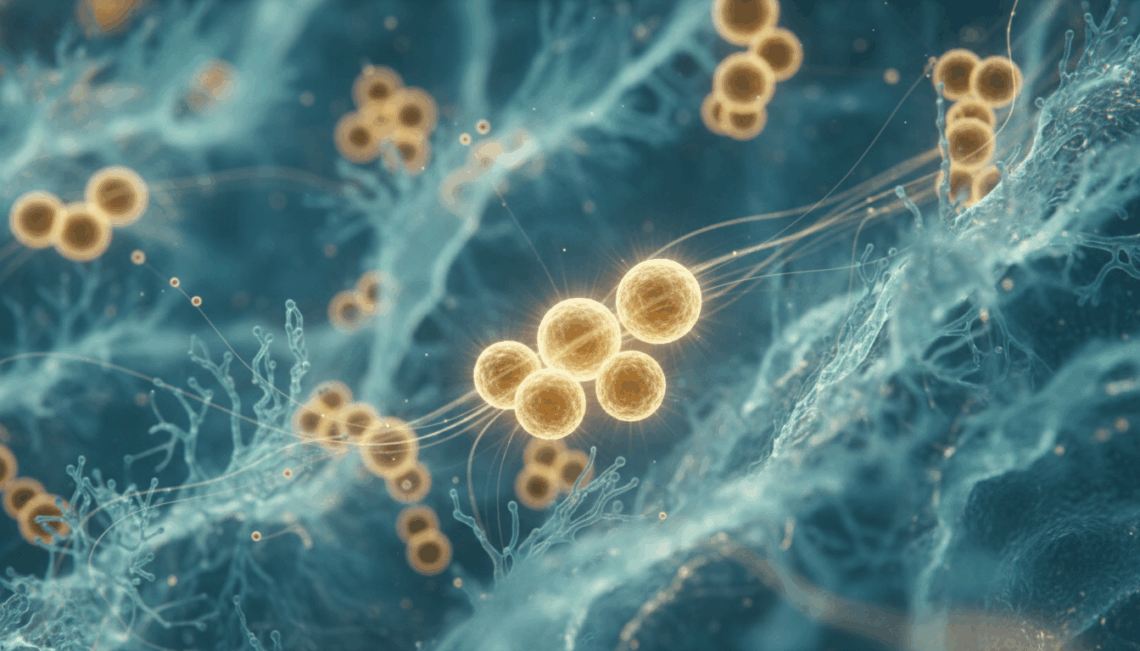
Imagine a thriving city living inside your digestive tract. This city is home to trillions of microorganisms, including bacteria, fungi, and viruses. This is your gut microbiome. In a healthy state, this community works in harmony, with beneficial microbes keeping potentially harmful ones in check. This delicate balance is crucial for countless bodily functions, from digesting food and absorbing nutrients to regulating your immune system and even influencing your mood.
However, modern life can be tough on this internal ecosystem. Factors like a diet high in processed foods, chronic stress, lack of sleep, and the use of certain medications (like antibiotics) can disrupt this balance, a condition known as dysbiosis. When harmful bacteria begin to outnumber the beneficial ones, the “city” falls into a state of chaos, and the consequences can be felt throughout your body—starting with your digestion.
The Connection: How an Unbalanced Gut Leads to Constant Bloating and Digestive Discomfort
When your gut microbiome is imbalanced, several things can happen that directly cause bloating. Harmful bacteria can ferment undigested food particles, producing excess gas as a byproduct. This gas gets trapped in the digestive tract, leading to that familiar swollen, pressurized feeling.
Furthermore, dysbiosis can compromise the integrity of your gut lining, leading to inflammation and increased sensitivity. Your body may become less efficient at digesting certain foods, further contributing to fermentation and gas production. It’s a vicious cycle where imbalance leads to symptoms, and the inflammation caused by those symptoms makes the imbalance even worse.

Nourishing Your Microbiome: Steps to Restore Balance
The good news is that you have the power to influence the health of your gut microbiome. Regaining balance is not an overnight fix, but a journey of consistent, positive choices. Foundational lifestyle habits are the most important place to start.
1. Diversify Your Diet
Your beneficial gut bacteria thrive on variety. Aim to “eat the rainbow” by incorporating a wide range of plant-based foods. Fiber-rich foods like fruits, vegetables, legumes, and whole grains are prebiotics—they act as food for your good bacteria, helping them flourish.
2. Embrace Fermented Foods
Foods like yogurt, kefir, kimchi, sauerkraut, and kombucha are natural sources of probiotics (live beneficial bacteria). Incorporating them into your diet can help replenish the populations of good microbes in your gut.
3. Manage Stress Levels
There is a powerful connection between your brain and your gut, often called the gut-brain axis. Chronic stress can negatively impact your microbiome. Practices like meditation, deep breathing, yoga, and spending time in nature can help manage stress and, in turn, support your gut health.
4. Prioritize Sleep
Your body performs critical repair and regulation processes while you sleep, including maintaining a healthy gut environment. Aim for 7-9 hours of quality sleep per night to give your microbiome the support it needs.
Targeted Support: When Diet and Lifestyle Need a Boost
For many, lifestyle changes are a powerful first step, but they may not be enough to fully correct a significant imbalance, especially if it has been present for a long time. The modern food supply can lack the diversity of microbes our ancestors were exposed to, and the stresses of daily life can be overwhelming. This is where targeted supplementation can play a crucial role in accelerating the rebalancing process.
Advanced formulas are designed to deliver a concentrated dose of beneficial organisms or their byproducts directly to your gut, providing the targeted support needed to help restore order and alleviate symptoms like constant bloating and digestive discomfort.
Introducing PrimeBiome: A Scientific Approach to Gut Harmony
PrimeBiome is a next-generation gut health supplement designed to address these challenges directly. It focuses on providing a powerful blend of postbiotics and beneficial probiotic strains to support a balanced and thriving microbiome. Unlike some traditional probiotics that may struggle to survive the harsh environment of the stomach, PrimeBiome is formulated to deliver its ingredients effectively.
By supplying the gut with ingredients that support the growth of beneficial bacteria and help maintain a healthy gut lining, PrimeBiome offers a modern, targeted approach to digestive wellness. It is designed for individuals who have tried the basics and are looking for a scientifically-backed tool to help them finally overcome the frustration of chronic bloating and achieve a state of comfortable digestive harmony.
Creating Your Path to Long-Term Wellness
Ultimately, achieving lasting relief from bloating involves a holistic approach. It’s about combining a nutrient-dense, diverse diet with healthy stress management, adequate sleep, and, when needed, targeted support from a high-quality supplement. By focusing on nourishing your gut microbiome, you are not just addressing a symptom; you are investing in the foundational health of your entire body.
Listen to your body, be patient with the process, and celebrate the small victories. Every healthy choice you make is a step toward a calmer, more comfortable, and healthier you. Remember, before starting any new supplement regimen, it is always wise to consult with a healthcare professional to ensure it’s the right choice for your individual needs.
Frequently Asked Questions (FAQ)
1. How long does it take to rebalance the gut microbiome?
The timeline can vary greatly from person to person, depending on the initial state of their gut health, diet, lifestyle, and consistency. Some people may notice improvements in a few weeks, while for others it may take several months of consistent effort. Patience is key.
2. Can I take a gut supplement if I have food intolerances?
Many high-quality supplements are formulated to be free of common allergens like gluten, dairy, and soy. However, it is crucial to read the label carefully and consult with your healthcare provider to ensure the product is safe for you, especially if you have known allergies or sensitivities.
3. Is bloating always a sign of an unhealthy gut?
Not necessarily. Occasional bloating can be caused by eating a large meal, consuming carbonated beverages, or eating high-fiber foods your body isn’t used to. However, if the bloating is persistent, painful, and accompanied by other digestive issues, it often points to an underlying imbalance that should be addressed.