
If you feel like you’re doing everything right—carefully choosing your foods, dedicating time to exercise—but the scale refuses to budge, you are not alone. It’s a deeply frustrating experience that can make you question every choice you make. For many, the culprit isn’t a lack of effort but a biological process that has slowed down. Understanding the signs of a slow metabolism is the critical first step toward addressing the root cause and finally seeing the results you work so hard for.
Metabolism is one of the most discussed yet misunderstood aspects of health and wellness. It’s not just about how fast you burn calories; it’s the engine that powers every single function in your body, from breathing to thinking. When that engine isn’t running efficiently, the consequences can be felt far beyond just your waistline.
What is Metabolism, Really?
Before we dive into the signs, let’s clarify what metabolism is. In simple terms, metabolism is the sum of all chemical reactions in your body that convert food and drink into energy. This energy is essential for everything you do, whether you’re running a marathon or simply sleeping. Your individual metabolic rate is influenced by several factors, including your age, sex, muscle mass, and genetics.
While some of these factors are out of your control, many people don’t realize that the efficiency of this energy conversion process at a cellular level can significantly impact their overall vitality and ability to manage weight. A “slow” metabolism means your body is burning fewer calories at rest, which can lead to them being stored as fat.
Unmistakable Signs of a Slow Metabolism
Recognizing the symptoms is crucial. If any of the following signs sound familiar, it might be an indication that your metabolic rate isn’t functioning as optimally as it could be. It’s always wise to discuss these concerns with a healthcare professional to get a complete picture of your health.
1. Persistent Weight Gain Despite Healthy Habits
This is the most common and frustrating sign. You’re tracking calories, avoiding junk food, and staying active, yet you’re still gaining weight or can’t lose it. When your metabolism is sluggish, your body requires fewer calories to function. The excess energy, even from healthy foods, is more likely to be stored as fat because your body’s energy demands are lower.
2. Constant Fatigue and Low Energy Levels
Do you feel tired all the time, even after a full night’s sleep? Your metabolism is directly responsible for energy production. A slow metabolism means an inefficient conversion of food into usable energy for your cells. The result is a persistent feeling of lethargy, making it difficult to get through your day, let alone find the motivation to work out.
3. Difficulty Concentrating or “Brain Fog”
Your brain is an incredibly energy-intensive organ. When your metabolism isn’t supplying energy efficiently, your cognitive function can suffer. You might find it hard to focus, experience memory lapses, or feel like you’re in a constant state of “brain fog.” This mental cloudiness is often a direct result of your brain not getting the steady stream of energy it needs to operate at its best.
4. Frequent Sugar Cravings
When your body struggles to use energy effectively from the food you’ve eaten, it sends out urgent signals for a quick fix. Sugar provides a rapid source of energy. If you constantly crave sweets or refined carbohydrates, it could be your body’s way of trying to compensate for an inefficient metabolism. It’s a short-term solution that often contributes to the long-term problem of fat storage.
5. Feeling Cold More Often
The process of burning calories generates heat, a process known as thermogenesis. This is part of what helps regulate your body temperature. If your metabolism is slow, your body is burning less energy and therefore producing less heat. This can leave you feeling colder than those around you, particularly in your hands and feet.
What Causes a Slow Metabolism? Beyond Diet and Exercise
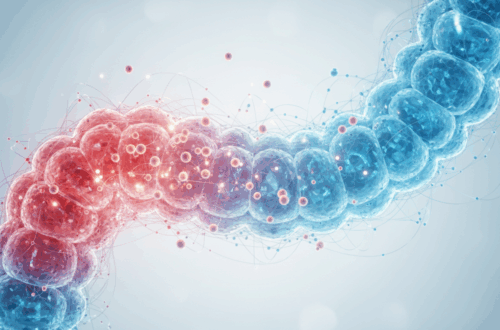
While lifestyle factors play a role, sometimes the issue runs deeper. As we age, our metabolic rate naturally declines. Genetics also plays a part. However, emerging science is pointing to another critical factor: cellular health. The powerhouses of your cells, known as mitochondria, are responsible for converting food into the energy that fuels your life. Over time, these cellular engines can become less efficient, leading to what some experts call “cellular gridlock.” This means that even with the right fuel (food), the engine (mitochondria) can’t burn it effectively. This is often the hidden reason why the traditional “eat less, move more” mantra fails for so many.

How to Support Your Metabolic Health Naturally
The good news is that you can take proactive steps to support your body’s metabolic engine. Building trust with your body again starts with consistent, healthy habits that are known to have a positive impact on your metabolism.
Prioritize Protein Intake
Protein has a higher thermic effect of food (TEF) than fats or carbs. This means your body burns more calories digesting and metabolizing it. Including a source of protein in every meal can help boost your metabolic rate and also promotes satiety, keeping you feeling full and satisfied.
Embrace Strength Training
Muscle tissue is more metabolically active than fat tissue. This means that the more muscle mass you have, the more calories your body burns at rest. Incorporating resistance or strength training into your routine 2-3 times a week is one of the most effective ways to build muscle and fire up your long-term metabolism.
Don’t Underestimate Quality Sleep
Lack of sleep can have a major negative impact on your metabolism. It disrupts the hormones that regulate appetite (ghrelin and leptin) and can decrease your resting metabolic rate. Aiming for 7-9 hours of quality, uninterrupted sleep per night is foundational for a healthy metabolic function.
A Deeper Look: Supporting Cellular Energy
While the foundational habits of diet, exercise, and sleep are non-negotiable, sometimes your body may benefit from more targeted support, especially at the cellular level. This is where modern nutritional science comes in. Researchers are increasingly focused on how specific nutrients, particularly plant-based compounds like polyphenols, can help support the health and efficiency of our mitochondria.
By addressing the “cellular gridlock” we talked about earlier, you can help your body’s natural fat-burning machinery work as it should. This isn’t about a magic pill, but about providing your body with the specific resources it needs to optimize its own processes. One product formulated with this principle in mind is Mitolyn. It was designed to provide a blend of unique ingredients that support mitochondrial function and help unlock your body’s natural ability to convert fat into energy.
For those who feel they have hit a wall and that their metabolism is working against them, exploring a solution that targets the cellular source of the problem can be a logical next step. It acts as a complement to your healthy lifestyle efforts, helping to ensure your hard work pays off.
Your Path Forward
Recognizing the signs of a slow metabolism is not a diagnosis of defeat; it’s an opportunity for a new, more informed strategy. It’s about shifting your focus from simply counting calories to truly nourishing your body at the cellular level. By combining proven lifestyle strategies with a modern understanding of cellular health, you can begin to work *with* your body, not against it. Be patient with yourself, stay consistent, and always consult with a healthcare provider before making significant changes to your health regimen.