Understanding the Link Between Gut Health, Bloating, and Weight
Feeling constantly bloated, sluggish, and unable to lose weight no matter how carefully you eat can be incredibly frustrating. You follow a healthy diet, you exercise, yet the discomfort in your stomach and the number on the scale remain stubbornly unchanged. This common struggle often points to an underlying issue that many people overlook: the health of your gut. The intricate ecosystem within your digestive system plays a far greater role in your overall well-being than you might think, directly influencing everything from digestion to metabolism. Understanding the causes of constant bloating and weight gain is the first step toward finding a real, sustainable solution.
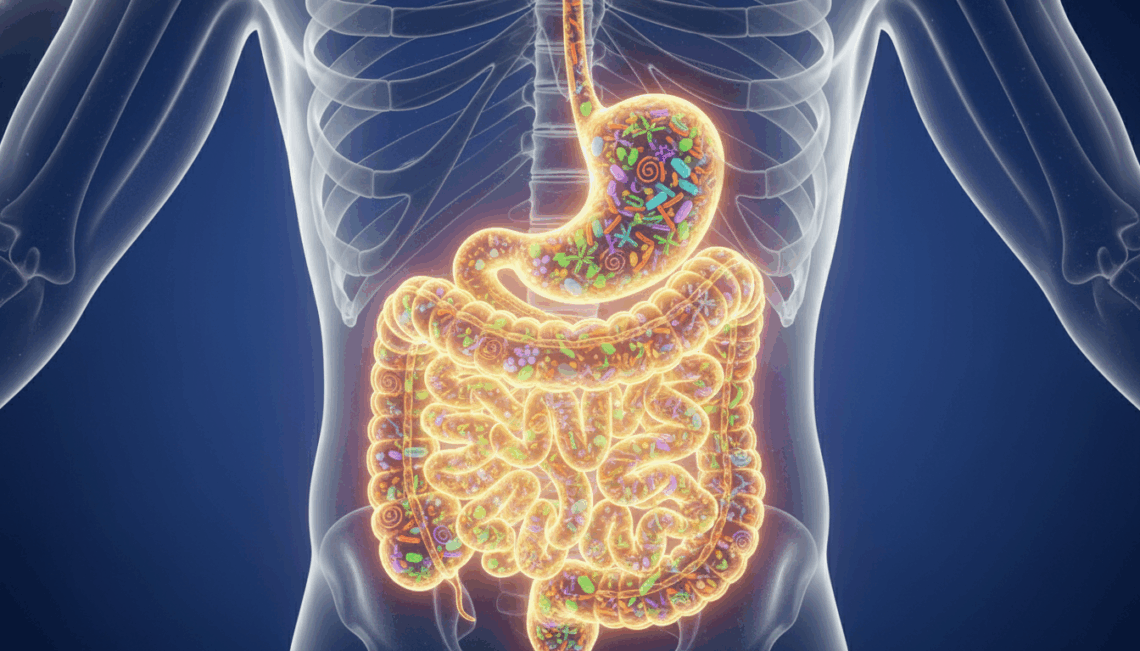
Your gut is home to trillions of microorganisms, collectively known as the gut microbiome. A balanced microbiome is essential for proper digestion, nutrient absorption, and even immune function. However, when this delicate balance is disrupted, it can lead to a cascade of problems, including the very symptoms that leave you feeling defeated.
The Hidden Culprit: What Is Leaky Gut Syndrome?
One of the most significant factors contributing to digestive distress and metabolic issues is a condition often referred to as intestinal permeability, or “leaky gut.” The lining of your intestines is a powerful barrier, designed to allow water and essential nutrients to pass into your bloodstream while blocking harmful substances like toxins, undigested food particles, and pathogens.
In a healthy gut, the cells that make up this lining are held together by tight junctions. When these junctions become loose or damaged, the barrier is compromised. This allows unwanted substances to “leak” into your bloodstream, triggering an inflammatory response from your immune system. This chronic, low-grade inflammation is at the heart of many modern health issues.
How a Compromised Gut Lining Leads to Bloating
When your gut lining is not functioning optimally, your digestive process suffers. The inflammation can interfere with the normal breakdown of food, leading to fermentation by gut bacteria. This fermentation process produces excess gas, which is a primary cause of the painful bloating, pressure, and distension you feel, especially after meals. Furthermore, an imbalanced microbiome, often a consequence of leaky gut, can exacerbate this gas production, creating a vicious cycle of discomfort.
The Connection Between Leaky Gut and Stubborn Weight Gain
The chronic inflammation sparked by a leaky gut can have a profound impact on your metabolism and ability to manage weight. This inflammation can interfere with the hormones that regulate appetite and fat storage, such as insulin and leptin. It can lead to insulin resistance, a condition where your cells don’t respond properly to insulin, causing your body to store more glucose as fat. This explains why even with a low-calorie diet, you may struggle to lose weight. The body is essentially in a constant state of alert, prioritizing fat storage over energy expenditure.
Key Factors That Weaken Your Gut Barrier
Several aspects of modern life can contribute to the weakening of the gut lining. Recognizing them is crucial for taking proactive steps to protect your digestive health.
- Poor Diet: A diet high in processed foods, sugar, unhealthy fats, and artificial additives can promote inflammation and feed harmful gut bacteria, damaging the intestinal lining.
- Chronic Stress: Prolonged stress is not just a mental burden; it has physical consequences. It can alter your gut microbiome and increase intestinal permeability.
- Lack of Sleep: Insufficient sleep disrupts the natural rhythms of your body, including those that regulate gut function and repair.
- Overuse of Certain Medications: Non-steroidal anti-inflammatory drugs (NSAIDs) and antibiotics, while necessary at times, can disrupt the gut microbiome and irritate the intestinal lining.
- Environmental Toxins: Exposure to toxins in our food, water, and air can also contribute to gut inflammation.
How to Support a Healthy Gut for Lasting Relief
The good news is that you can take significant steps to repair and support your gut lining. Healing your gut is not an overnight process, but consistent, targeted actions can lead to profound improvements in bloating, weight management, and overall health. The journey begins with mindful choices about what you eat and how you live.
Dietary Changes for a Healthier Gut
Your diet is the most powerful tool you have for influencing your gut health. Focus on incorporating whole, nutrient-dense foods that soothe inflammation and nourish beneficial bacteria. This includes plenty of fiber-rich vegetables, fruits, lean proteins, and healthy fats like avocado and olive oil. Foods rich in polyphenols, such as berries and dark chocolate, can also support a healthy microbial balance.
The Crucial Role of Prebiotics and Probiotics
To rebuild a thriving gut ecosystem, you need two key components: probiotics and prebiotics. Probiotics are the beneficial bacteria themselves, found in fermented foods like yogurt, kefir, and sauerkraut. Prebiotics are the food for these bacteria, primarily a type of fiber found in foods like onions, garlic, bananas, and asparagus. Including both in your diet helps ensure that good bacteria can flourish.
A Strategic Approach to Restoring Gut Integrity
While diet is foundational, sometimes your gut needs more targeted support to heal, especially if the lining has been compromised for a long time. This is where a comprehensive supplement can play a vital role. Instead of just adding probiotics, a truly effective formula works to soothe the intestinal lining, provide fuel for good bacteria, and help manage the digestive process.
One such formula designed with this multi-faceted approach is PrimeBiome. It contains key ingredients specifically chosen to address the core issues behind leaky gut, bloating, and associated weight gain. Ingredients like Slippery Elm Bark are known for their ability to soothe and coat the intestinal lining, providing a protective barrier. It also includes powerful prebiotics like Inulin and Glucomannan to nourish beneficial bacteria, helping to restore a healthy microbiome balance. This combination, along with a blend of beneficial probiotics, provides a holistic system to fortify your gut from the inside out.
By addressing the root causes of constant bloating and weight gain—a compromised gut barrier and an imbalanced microbiome—you provide your body with the tools it needs to truly heal. It’s a strategy that moves beyond temporarily managing symptoms and toward creating a foundation of lasting digestive wellness. As always, before starting any new supplement regimen, it is recommended to consult with your healthcare provider to ensure it aligns with your individual health needs.
Beyond Diet: Lifestyle Habits for a Happy Gut
In addition to nutrition, several lifestyle factors can significantly impact your gut health. Prioritizing stress management through practices like meditation, yoga, or spending time in nature can have a calming effect on your digestive system. Aim for 7-9 hours of quality sleep per night to allow your body, including your gut, adequate time to rest and repair. Regular, moderate exercise also promotes a healthy gut by increasing microbial diversity and reducing inflammation.
Taking a holistic view of your health is key. The frustration of constant bloating and the inability to lose weight is a valid signal from your body that something deeper needs attention. By focusing on healing your gut lining and rebalancing your microbiome, you are not just chasing symptoms; you are addressing the root of the problem, paving the way for relief and a healthier, more comfortable you.
Frequently Asked Questions (FAQ)
Can I have leaky gut without knowing it?
Yes. Many people experience symptoms like bloating, fatigue, skin issues, and joint pain without realizing they could be connected to intestinal permeability. These symptoms are often attributed to other causes, leaving the root problem unaddressed.
How long does it take to see improvements in gut health?
The timeline for healing the gut varies for each individual and depends on the extent of the damage and the consistency of your efforts. Some people may notice improvements in bloating and energy levels within a few weeks of making dietary changes and using supportive supplements, while for others, it may take several months.
Is bloating always a sign of a bad gut?
Occasional bloating can be normal, especially after a large or fiber-rich meal. However, chronic, persistent, and uncomfortable bloating that affects your daily life is often a signal of an underlying digestive imbalance that needs attention.