Understanding the Root of Your Discomfort
Do you ever feel like your own body is working against you? That persistent bloating, embarrassing gas, and unpredictable digestion can be frustrating and draining. You might eat healthy, exercise, and still feel uncomfortable in your own skin. If this sounds familiar, you’re not alone. The answer may not be in what you’re eating, but in the complex ecosystem living inside you: your gut microbiome.
Many people experience these issues without realizing they are classic signs of an unhealthy gut. Understanding these signals is the first and most critical step toward regaining control of your health and well-being. This isn’t just about digestion; it’s about your energy, your mood, your skin, and your overall vitality.
What Exactly Is the Gut Microbiome?
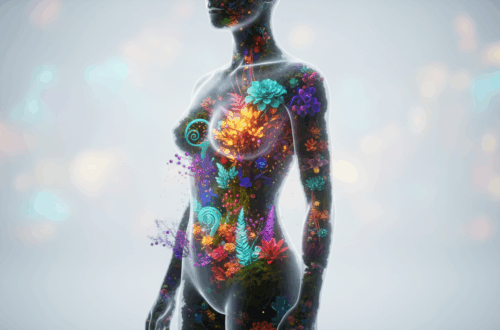
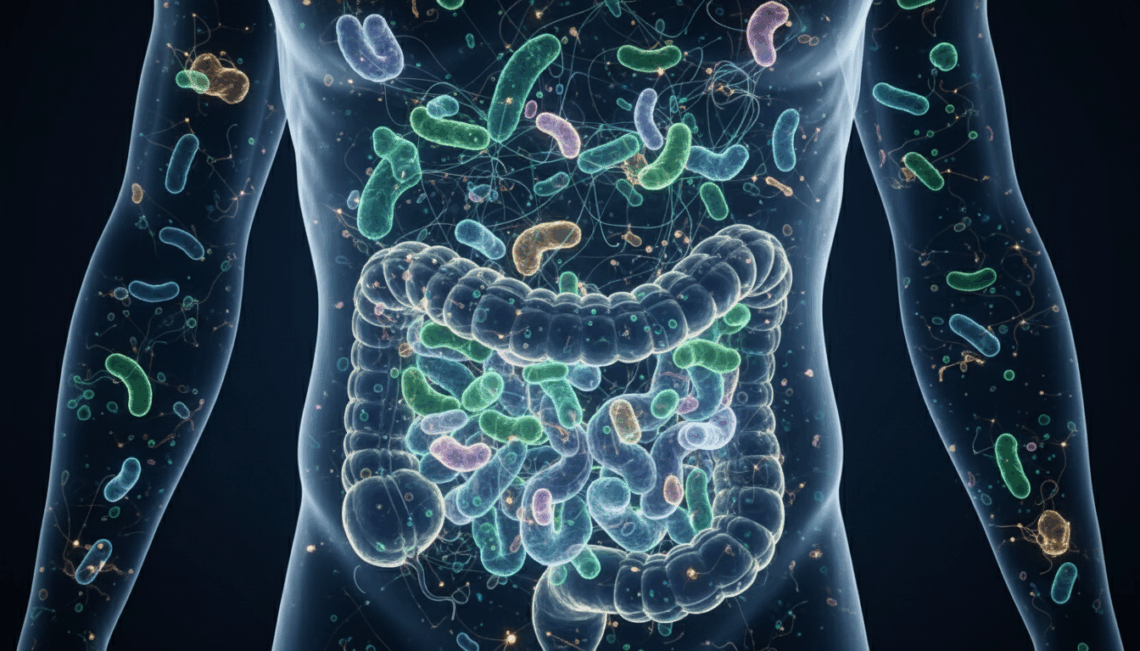
Imagine a bustling city inside your digestive system, populated by trillions of microorganisms, including bacteria, fungi, and viruses. This is your gut microbiome. In a healthy gut, these organisms live in a balanced, symbiotic relationship, helping you digest food, produce essential vitamins, and protect you against pathogens. However, when this delicate balance is disrupted—a state known as dysbiosis—it can trigger a cascade of negative health effects that extend far beyond your stomach.
7 Common Signs of an Unhealthy Gut You Shouldn’t Ignore
Your body has a way of sending signals when something is wrong. Here are seven common indicators that your gut health may need attention.
1. Persistent Digestive Issues
This is the most obvious sign. Chronic bloating, gas, heartburn, constipation, or diarrhea are direct indicators that your gut is struggling. A healthy gut processes food efficiently with minimal discomfort. If you’re constantly feeling bloated or running to the bathroom, it’s a clear signal that the balance of your gut bacteria is off.
2. Unexplained Weight Changes
Have you gained or lost weight without making significant changes to your diet or exercise routine? An unhealthy gut can impair your body’s ability to absorb nutrients, regulate blood sugar, and store fat. An imbalance in gut bacteria may trigger cravings for high-sugar foods, and certain types of bacteria are more efficient at extracting calories from food, which can lead to weight gain.
3. Constant Fatigue and Poor Sleep
If you feel tired all the time, even after a full night’s sleep, your gut could be a contributing factor. A significant portion of the body’s serotonin, a hormone that affects mood and sleep, is produced in the gut. Gut dysbiosis can disrupt serotonin production, leading to insomnia, poor sleep quality, and chronic fatigue.

4. Skin Irritation and Problems
The skin is often a mirror of what’s happening inside the body. Conditions like acne, eczema, and psoriasis can be linked to inflammation that originates in the gut. A condition often referred to as “leaky gut” (intestinal permeability) allows food particles and toxins to pass into the bloodstream, triggering an inflammatory response that can manifest on your skin.
5. New Food Intolerances
Developing sensitivities to foods you used to eat without issue can be another one of the major signs of an unhealthy gut. This can be caused by a lack of certain beneficial bacteria needed to digest specific foods properly. The resulting difficulty in digestion can lead to uncomfortable symptoms like bloating, gas, and abdominal pain.
6. Mood Swings, Anxiety, and Brain Fog
The gut-brain axis is a powerful connection. An unhealthy gut can contribute to mood disorders, anxiety, and difficulty concentrating. Chronic inflammation and deficiencies in neurotransmitter production (like serotonin) can directly impact your mental clarity and emotional stability. If you find yourself struggling with brain fog or persistent low moods, addressing your gut health could be a crucial piece of the puzzle.
7. Frequent Sugar Cravings
Unhealthy bacteria and yeast thrive on sugar. When they overgrow, they can send powerful signals to your brain, causing intense cravings for sugary foods. This creates a vicious cycle: eating more sugar feeds these bad microbes, which in turn strengthens their population and makes you crave even more sugar.
What Causes Gut Imbalance?
Several factors in modern life can disrupt the delicate balance of your gut microbiome. A diet high in processed foods, sugar, and artificial sweeteners can feed harmful bacteria. Chronic stress, lack of quality sleep, and the overuse of antibiotics can also wipe out beneficial microbes, allowing less desirable ones to take over. Recognizing these triggers is essential for developing a strategy to restore gut health.
How to Restore Your Gut Health Naturally
The good news is that you can take proactive steps to improve your gut health. The journey starts with simple, consistent lifestyle changes.
1. Focus on a Nutrient-Dense Diet
Prioritize whole foods rich in fiber, such as fruits, vegetables, legumes, and whole grains. These foods provide prebiotics, which are the fuel for your beneficial gut bacteria. Fermented foods like yogurt, kefir, and kimchi are excellent sources of natural probiotics.
2. Manage Your Stress Levels
Chronic stress wreaks havoc on your gut. Incorporate stress-reducing activities into your daily routine, such as meditation, deep breathing exercises, yoga, or simply spending time in nature. Your mind and your gut will thank you.
3. Consider a Targeted Probiotic Supplement
While diet and lifestyle are foundational, sometimes your gut needs extra support to restore balance. A high-quality, targeted probiotic supplement can introduce specific strains of beneficial bacteria to help repopulate your gut and crowd out the unhealthy microbes. Look for a formula with clinically researched strains designed to address issues like bloating and digestive comfort.
A Strategic Approach to Gut Wellness
Addressing the signs of an unhealthy gut requires a comprehensive approach. It’s about removing the factors that cause harm and actively introducing the elements that promote healing and balance. For those seeking dedicated support, a scientifically formulated supplement like PrimeBiome can be a powerful ally. It contains a synergistic blend of four potent probiotic strains—L. Gasseri, L. Rhamnosus, L. Plantarum, and B. Lactis—specifically chosen to support digestive health, reduce bloating, and promote a balanced microbiome. By combining a healthy lifestyle with a targeted probiotic, you provide your body with the tools it needs to truly thrive from the inside out.
Your Path to a Healthier, Happier Gut
Recognizing the signs of an unhealthy gut is your body’s invitation to make a change. By listening to these signals and taking proactive steps to rebalance your internal ecosystem, you can move away from constant discomfort and toward a life of improved energy, mental clarity, and overall wellness. The journey to a healthier gut is a journey back to a healthier you.
Important Disclaimer
The information provided in this article is for educational purposes only and is not intended as a substitute for professional medical advice, diagnosis, or treatment. Always seek the advice of your physician or other qualified health provider with any questions you may have regarding a medical condition. Never disregard professional medical advice or delay in seeking it because of something you have read here.