Have you ever felt like you’re doing everything right but still not seeing the results? You follow a strict skincare routine, but your skin remains irritated and prone to breakouts. You stick to a healthy diet and exercise, yet that stubborn weight won’t budge. This frustrating cycle can leave you feeling defeated, wondering what you’re missing. The answer might not be in another cream or a different diet but deep within your body—in your gut. Recognizing the signs of an unhealthy gut is the first step toward addressing the root cause of these persistent issues and reclaiming your well-being.
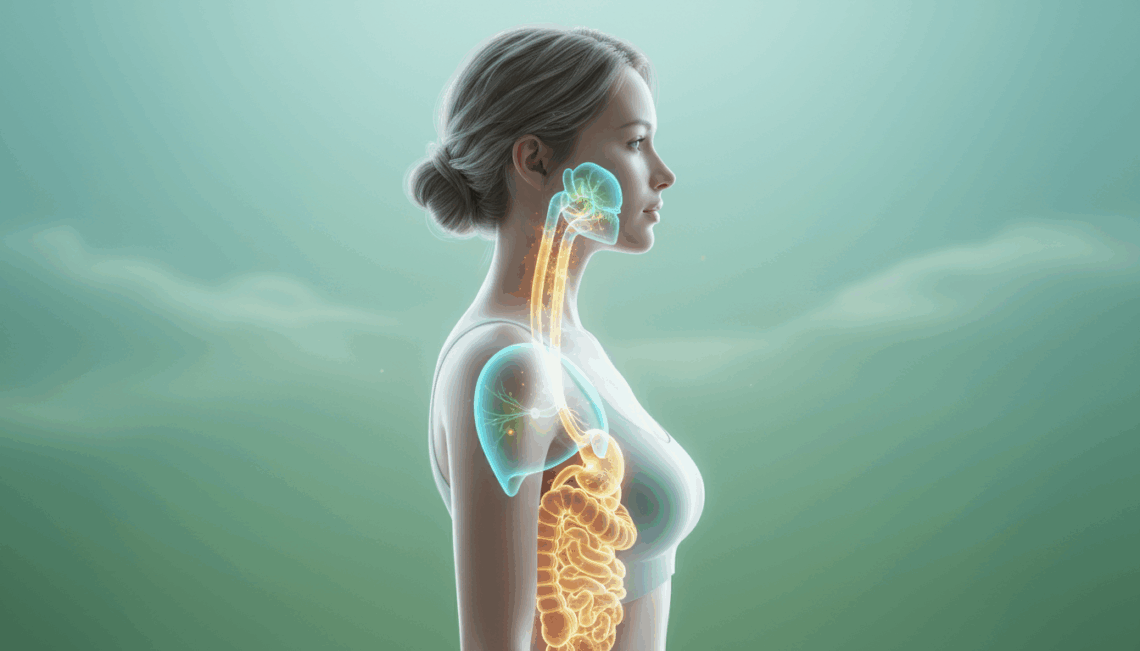
Your gut is home to trillions of microorganisms, collectively known as the gut microbiome. This complex ecosystem plays a vital role in nearly every aspect of your health, from digestion and nutrient absorption to immune function and even mood regulation. When this delicate balance is disrupted, it can trigger a cascade of problems that manifest throughout your body in ways you might not expect. Understanding these signals is crucial for restoring harmony and achieving the lasting health you’ve been working toward.
What is the Gut Microbiome?
Think of your gut microbiome as a bustling city inside your intestines. It’s composed of bacteria, viruses, fungi, and other microbes. In a healthy gut, beneficial bacteria work to break down food, produce essential vitamins, and protect against harmful pathogens. However, factors like a poor diet, stress, lack of sleep, and certain medications can disrupt this balance, allowing harmful bacteria to flourish. This imbalance, known as dysbiosis, is where many health problems begin.
Key Signs of an Unhealthy Gut You Shouldn’t Ignore
An imbalanced gut can send out a variety of distress signals. While some are obvious, others are more subtle. Paying attention to these clues can help you identify a potential problem before it escalates. Here are some of the most common signs of an unhealthy gut.
1. Digestive Discomfort
This is one of the most direct signs. Frequent gas, bloating, constipation, diarrhea, and heartburn are classic indicators that your gut is struggling. A healthy gut processes food and eliminates waste efficiently. When you experience chronic discomfort, it’s a clear signal that your digestive system is out of balance and may be having trouble breaking down certain foods or is dealing with an overgrowth of harmful bacteria.
2. Persistent Skin Irritation
Your skin often reflects your internal health. Conditions like acne, eczema, rosacea, and general inflammation can be linked to gut problems. This connection, often called the “gut-skin axis,” suggests that inflammation originating in the gut can manifest on the skin. A “leaky gut” (increased intestinal permeability) can allow toxins and undigested food particles to enter the bloodstream, triggering an immune response that leads to skin irritation.
3. Unexpected Weight Changes
If you’re gaining or losing weight without making significant changes to your diet or exercise routine, your gut could be the culprit. An imbalanced microbiome can impair your body’s ability to absorb nutrients, regulate blood sugar, and store fat. Some types of gut bacteria are more efficient at extracting calories from food, which can lead to weight gain. Conversely, an unhealthy gut can also lead to malabsorption and unintentional weight loss.

4. Constant Fatigue and Poor Sleep
Do you feel tired all the time, even after a full night’s rest? An unhealthy gut could be playing a role. The majority of your body’s serotonin, a hormone that affects mood and sleep, is produced in the gut. Gut dysbiosis can interfere with serotonin production, leading to poor sleep quality and chronic fatigue. Furthermore, if your body isn’t absorbing nutrients properly due to poor gut health, it can lead to energy slumps and a persistent feeling of lethargy.
5. Food Intolerances
Food intolerances are different from food allergies. They occur when your digestive system has difficulty digesting a particular food, leading to symptoms like bloating, gas, diarrhea, and abdominal pain. This can sometimes be caused by a lack of certain beneficial bacteria that are needed to break down specific food components. While the food itself is the trigger, the root cause might be the poor quality of your gut bacteria.
6. Mood Swings and Brain Fog
The gut is often called the “second brain” for a reason. A strong connection, known as the gut-brain axis, exists between your digestive system and your brain. An unhealthy gut can contribute to inflammation and affect the production of neurotransmitters, potentially leading to anxiety, depression, and difficulty concentrating. If you find yourself struggling with brain fog or unexplainable mood swings, it might be time to consider your gut health.
How to Actively Improve Your Gut Health
Recognizing the signs of an unhealthy gut is the first step. The next is taking action to restore balance. Fortunately, you can make several lifestyle and dietary changes to support a healthy microbiome. The goal is to create an environment where beneficial bacteria can thrive.
1. Focus on a Diverse, Fiber-Rich Diet
Your gut bacteria feed on fiber, particularly prebiotic fiber found in foods like garlic, onions, bananas, asparagus, and whole grains. Eating a wide variety of plant-based foods provides different types of fiber to nourish diverse strains of good bacteria. Fermented foods like yogurt, kefir, sauerkraut, and kimchi are also excellent additions, as they are natural sources of probiotics—the beneficial bacteria themselves.
2. Reduce Sugar and Processed Foods
A diet high in sugar and processed foods can feed the harmful bacteria in your gut, allowing them to multiply and crowd out the beneficial ones. This can promote inflammation and contribute to dysbiosis. By reducing your intake of sugary drinks, refined carbohydrates, and heavily processed snacks, you can help starve the bad bacteria and give the good guys a fighting chance.
3. Manage Stress Levels
Chronic stress can have a significant negative impact on your gut microbiome. Finding effective ways to manage stress, such as mindfulness, meditation, yoga, or spending time in nature, can help protect your gut. Even a few minutes of deep breathing exercises each day can make a difference.
4. Prioritize Quality Sleep
Getting enough high-quality sleep is essential for maintaining a healthy gut. Aim for 7-8 hours of uninterrupted sleep per night. Establishing a regular sleep schedule and creating a relaxing bedtime routine can improve your sleep quality and, in turn, support your microbiome.
A Comprehensive Approach to Gut Balance
While lifestyle changes are fundamental, sometimes your body needs extra support to restore gut harmony, especially if you’ve been struggling for a while. A targeted supplement can provide the specific building blocks your gut needs to repair and rebalance itself. This is where a formulation designed to address the gut-skin-weight connection can be particularly beneficial.
Products like PrimeBiome are formulated with this holistic approach in mind. It combines key ingredients that work together to create a healthier gut environment. It includes a powerful blend of spore probiotics, which are resilient enough to survive stomach acid and reach your intestines, where they can effectively colonize and promote a healthy microbial balance. Ingredients like Konjac Root act as a prebiotic, providing essential fuel for these good bacteria. By addressing issues like candida overgrowth and supporting the gut lining, such a supplement helps tackle the root causes of skin and weight issues, rather than just masking the symptoms.
Conclusion: Your Path to a Healthier You Starts in the Gut
Your body is an interconnected system, and the health of your gut is central to your overall well-being. The persistent skin problems, stubborn weight, and lingering fatigue you’re experiencing are not just random issues; they are often clear signs of an unhealthy gut crying out for help. By listening to these signals and taking proactive steps—through diet, lifestyle, and targeted support—you can restore balance to your microbiome. This journey is not about finding another quick fix, but about nurturing your body from the inside out to achieve lasting health, radiant skin, and sustainable energy.
Disclaimer: The information provided in this article is for educational purposes only and is not a substitute for professional medical advice, diagnosis, or treatment. Always seek the advice of your physician or another qualified health provider with any questions you may have regarding a medical condition. Never disregard professional medical advice or delay in seeking it because of something you have read here.