
The Unseen Discomfort: Why Am I Always Bloated?
It’s a feeling many know all too well. You finish a meal, and slowly, the pressure builds. Your waistband feels tighter, a sense of fullness turns into discomfort, and you find yourself wondering, “Why am I bloated again?” For millions, this isn’t an occasional inconvenience; it’s a daily battle that dictates what they wear, what they eat, and how they feel. If you’re struggling with this persistent issue, you’ve likely already tried the common advice: eat slower, avoid certain foods, drink more water. But what if the root of the problem is deeper than that? This article will explore the underlying causes of constant bloating and gas, moving beyond the surface-level tips to uncover the complex ecosystem within you that might be out of balance.
Decoding Digestion: What Are Bloating and Gas?
At its core, bloating is the sensation of having trapped gas in your digestive system, leading to a feeling of fullness, tightness, or a visibly distended abdomen. This gas is primarily a byproduct of digestion. When you eat, the food travels through your gastrointestinal (GI) tract, where it’s broken down by enzymes and, crucially, by the trillions of microorganisms living in your gut—collectively known as your gut microbiome.
Gas is a natural result of this process, particularly when bacteria ferment carbohydrates that weren’t fully digested in your small intestine. While a certain amount of gas production is normal, excessive and persistent gas that leads to constant bloating is a clear signal that something in this intricate system is not functioning optimally.
Beyond the Usual Suspects: Common Dietary Triggers
Before diving into the deeper causes, it’s important to acknowledge the common culprits that can contribute to bloating. Understanding these can be a helpful first step for anyone looking for relief.
Dietary Choices and Habits
- High-FODMAP Foods: Certain carbohydrates known as FODMAPs (Fermentable Oligo-, Di-, Mono-saccharides And Polyols) are notorious for causing gas and bloating in sensitive individuals. These include foods like beans, lentils, onions, garlic, wheat, and some fruits.
- Carbonated Drinks: Sodas and sparkling water introduce carbon dioxide directly into your digestive system, which can easily lead to a bloated feeling.
- Eating Too Quickly: When you rush through a meal, you swallow more air, which can get trapped in your GI tract. Chewing thoroughly is the first step of digestion, and skipping it puts more pressure on the rest of your system.
- Food Intolerances: Conditions like lactose intolerance (difficulty digesting the sugar in dairy) or non-celiac gluten sensitivity can cause significant bloating and gas as your body struggles to break down these specific components.
While managing these factors can provide some relief, for many, it’s not the complete picture. If you’ve adjusted your diet and still feel constantly bloated, it’s time to look at the invisible ecosystem within you.

The Hidden Driver: Unpacking the Deeper Causes of Constant Bloating and Gas
The true epicenter of your digestive well-being is your gut microbiome. This complex community of bacteria, fungi, and other microbes plays a critical role in everything from nutrient absorption to immune function. When this community is out of balance—a condition known as dysbiosis—it can be one of the primary causes of constant bloating and gas.
What is Gut Dysbiosis?
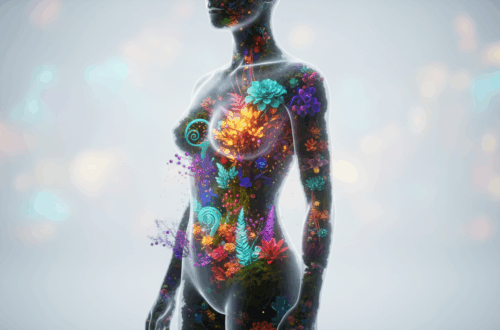
Imagine your gut as a garden. In a healthy garden, beneficial plants (good bacteria) flourish, keeping the weeds (harmful bacteria and fungi) in check. In dysbiosis, the weeds start to take over. This can happen due to a variety of factors, including:
- A diet high in processed foods and sugar
- Chronic stress
- Use of antibiotics
- Lack of dietary fiber
When harmful microbes proliferate, they can ferment undigested foods in a way that produces an excessive amount of gas. Furthermore, an overgrowth of certain organisms, like the fungus Candida, can release toxins that irritate the gut lining, leading to inflammation and further digestive distress. This internal imbalance is often the missing piece of the puzzle for those who suffer from unexplained, persistent bloating.
Why Traditional Probiotics Can Sometimes Fall Short
Many people turn to probiotics in an effort to improve their gut health. Probiotics are live beneficial bacteria that can certainly be helpful. However, they may not be a complete solution for everyone, especially in cases of severe dysbiosis. The journey through the acidic environment of the stomach can be harsh, and not all probiotic strains survive to colonize the gut effectively.
Furthermore, if your gut is already an inhospitable environment, simply adding more “good seeds” to the garden might not be enough if the “soil” itself isn’t healthy. You need a more comprehensive approach that not only introduces beneficial elements but also helps to create an environment where they can thrive.
A Modern Approach: The Power of Postbiotics
This is where the science of gut health has evolved. Researchers are now focusing on “postbiotics.” If probiotics are the live factory workers (the bacteria), postbiotics are the finished products they create. These are the beneficial compounds—like short-chain fatty acids, enzymes, and peptides—that are produced by good bacteria during fermentation.
Postbiotics offer a more direct approach. By delivering these beneficial compounds directly to your gut, you can support your gut health without solely relying on the survival and colonization of live bacteria. They help to nourish the gut lining, reduce inflammation, and create a more favorable environment for your existing good bacteria to flourish.
Finding a Comprehensive Gut Solution
For those struggling with the persistent causes of constant bloating and gas, finding a solution that addresses the complex nature of the gut microbiome is key. A formula that combines the benefits of prebiotics (fuel for good bacteria), probiotics (live beneficial bacteria), and postbiotics can offer a powerful, multi-pronged strategy.
One such advanced formula is PrimeBiome. It is designed specifically to target gut dysbiosis by not only introducing beneficial bacteria but also providing crucial postbiotic compounds and enzymes to help break down food and reduce the fermentation that leads to gas. It aims to rebalance the gut “garden” by both planting good seeds and improving the quality of the soil, offering a holistic path to lasting digestive comfort.
Conclusion: Reclaiming Your Comfort and Well-being
Constant bloating and gas are more than just physical discomfort; they are signals from your body that your internal ecosystem is in distress. While diet and eating habits are important, the true culprit is often a deeper imbalance within your gut microbiome. By understanding the role of dysbiosis and exploring comprehensive solutions that go beyond traditional probiotics, you can begin to address the root of the problem.
Taking control of your gut health is a powerful step toward reclaiming your comfort, energy, and overall well-being. It’s about creating an internal environment where your body can thrive, free from the persistent burden of bloating and gas.
Frequently Asked Questions (FAQ)
Can stress cause constant bloating?
Absolutely. The gut and brain are intricately connected through the gut-brain axis. Chronic stress can negatively impact gut motility, increase gut sensitivity, and alter the balance of your gut microbiome, all of which can be contributing causes of constant bloating and gas.
How long does it take to improve gut health?
The timeline for improving gut health varies for everyone. Some people may notice positive changes within a few weeks of making dietary changes and starting a targeted supplement regimen. For others with more significant dysbiosis, it could take several months of consistent effort to rebalance their microbiome.
Is it necessary to cut out all gassy foods forever?
Not necessarily. Once your gut microbiome is more balanced and resilient, you may find that you can tolerate many foods that previously caused issues. The goal is not extreme restriction but rather creating a robust digestive system that can handle a varied and healthy diet.
Disclaimer: The information in this article is for educational purposes only and is not intended as medical advice. Always consult with a qualified healthcare professional before starting any new supplement or making significant changes to your diet, especially if you have a pre-existing medical condition.