

You’ve done everything right. You’ve read the articles, listened to the experts, and faithfully taken your probiotics every single day. Yet, the frustrating bloating, embarrassing gas, and chronic discomfort are still your constant companions. If you’re searching for what to take if probiotics don’t work, know that you are not alone, and more importantly, it’s not your fault. The truth is, for many people, probiotics are simply not the complete solution they are often promised to be. Your frustration is valid, and there’s a scientific reason why your efforts haven’t paid off.
Many people feel discouraged when the most popular gut health solution fails them. They start to wonder if anything will ever bring them relief. But what if the problem isn’t about adding more “good bacteria” to your system? What if the key is to give your gut the essential compounds it needs to thrive, bypassing the common pitfalls of probiotic supplements? This guide will explore why probiotics can be ineffective and introduce you to the next generation of gut health support that delivers the results you’ve been searching for.
Why Your Probiotics Might Not Be Working as Expected
The concept of probiotics is simple: introduce beneficial bacteria into your gut to improve its health. However, the journey from the capsule to your colon is fraught with challenges, which is a primary reason you might be wondering what to take when probiotics don’t work.
1. The Stomach Acid Barrier
Your stomach is a highly acidic environment, designed to break down food and kill harmful pathogens. Unfortunately, this powerful acid doesn’t distinguish between harmful bacteria and the beneficial ones in your probiotic supplement. A significant portion of live cultures can be destroyed before they even have a chance to reach your intestines, where they are needed most. Unless a supplement has a sophisticated delivery mechanism like acid-resistant capsules, you may not be getting the dose you think you are.
2. Survival and Colonization Issues
Even if the bacteria survive the journey through the stomach, they face another hurdle: colonizing the gut. Your gut is already home to trillions of microbes, and this established ecosystem can be competitive. New bacteria must compete for space and resources to establish a foothold. Many probiotic strains are transient; they pass through your system without ever truly colonizing, offering only temporary benefits, if any.
3. Strain Specificity and Quality
The term “probiotic” is a broad umbrella for countless different strains of bacteria, and not all strains are created equal. Different strains provide different benefits. A strain that helps one person’s constipation might do nothing for another’s bloating. Many commercial supplements lack strain diversity or contain strains that aren’t well-researched for the specific issues they claim to address. Quality is also a major concern, as the number of live cultures (CFUs) listed on the bottle can diminish over time, especially if the product is not stored properly.
The Next Step: Understanding Prebiotics, Probiotics, and Postbiotics
To understand the most effective solution, it helps to see the full picture of your gut ecosystem. Think of it as a garden.
- Prebiotics: This is the fertilizer. Prebiotics are specific types of fiber (like inulin and FOS) that feed the good bacteria already living in your gut. They are essential for maintaining a healthy microbiome.
- Probiotics: These are the seeds. As we’ve discussed, these are the live beneficial bacteria you add to the system, hoping they will grow and flourish.
- Postbiotics: This is the harvest. Postbiotics are the actual beneficial compounds produced by probiotics when they consume prebiotics. These are the substances that carry out the health-promoting functions in your gut and throughout your body.
For years, the focus has been on the seeds (probiotics). But what if you could skip the uncertainty of seeding and go straight to the harvest? That’s the revolutionary power of postbiotics.
Butyrate: The ‘Super’ Postbiotic Your Gut Craves
Among the hundreds of compounds produced by your gut bacteria, one stands out as critically important: Butyrate. Butyrate is a short-chain fatty acid (SCFA) that serves as the primary fuel source for the cells lining your colon (colonocytes). A healthy gut lining is essential for nutrient absorption and, most importantly, for preventing a condition known as “leaky gut,” where toxins and undigested food particles can pass into your bloodstream, causing inflammation and other systemic issues. When you don’t have enough Butyrate, your gut lining can weaken, leading to the very symptoms you’re trying to solve: bloating, gas, and inflammation. The real goal of taking probiotics is to increase the production of postbiotics like Butyrate. So, if probiotics are failing, the logical next step is to supply the Butyrate directly.
This insight is the key for anyone asking what to take if probiotics don’t work. Instead of trying to force new bacteria to grow, you can provide the finished product your gut truly needs to heal and strengthen itself.
The Ultimate Solution: Delivering Butyrate Directly to Your Colon
Understanding that Butyrate is the goal changes everything. However, supplementing with Butyrate itself is tricky. Standard butyrate supplements are notoriously foul-smelling and often break down in the stomach and small intestine, preventing them from reaching the colon where they are most needed. This is where modern science provides a brilliant solution.
So, the most effective strategy is to deliver this essential postbiotic directly to your gut. After extensive research into the most bioavailable forms, we recommend a supplement that uses a patented form of Tributyrin called CoreBiome®. This clever molecule is essentially three Butyrate molecules bound to a glycerol backbone. This structure protects the Butyrate from being destroyed by stomach acid, allowing it to travel safely to the colon. Once there, intestinal enzymes gently release the Butyrate, delivering it exactly where your gut cells need it most.
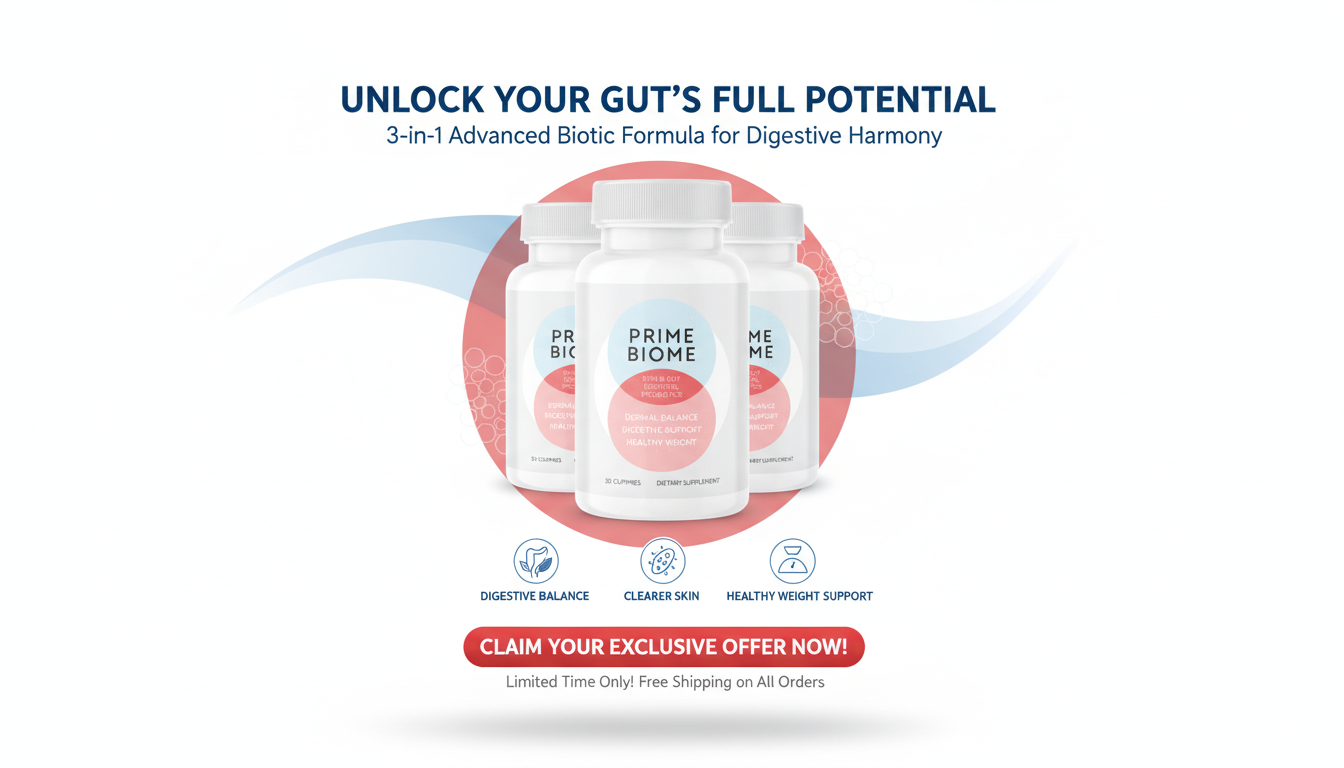
The key ingredient in PrimeBiome is this clinically-backed CoreBiome® Tributyrin. It’s the most direct and efficient way to elevate your body’s Butyrate levels, offering the gut-healing benefits that probiotics often promise but fail to deliver.
What to Expect From a High-Quality Postbiotic Supplement
When you shift your focus from probiotics to a direct Butyrate source like PrimeBiome, you are addressing the root cause of your discomfort. Here’s what this targeted approach can help with:
- Strengthens the Gut Lining: By nourishing the cells of your colon, Butyrate helps tighten the junctions in your gut wall, effectively combating leaky gut. This reduces inflammation and prevents irritants from entering your bloodstream.
- Reduces Bloating and Gas: An unhealthy gut microbiome often leads to fermentation issues, producing excess gas and painful bloating. By promoting a balanced and healthy environment, Butyrate can significantly reduce these uncomfortable symptoms.
- Promotes Regular, Healthy Bowel Movements: Whether you struggle with constipation or diarrhea, restoring the health of your gut lining and microbiome function helps regulate your digestive rhythm for more comfortable and predictable bathroom habits.
- Boosts Overall Wellness: The benefits of a healthy gut extend far beyond digestion. A well-nourished gut contributes to better immune function, improved mood (thanks to the gut-brain axis), and even clearer skin. It provides a foundation for your entire body’s health.
Making the Switch: Your Path to Lasting Gut Relief
It’s time to stop the cycle of trying different probiotic strains and hoping for a different result. The frustration you’ve felt is a sign that your body needs a different kind of support. If you have been consistently asking yourself what to take if probiotics don’t work, the answer lies in shifting your strategy from adding more bacteria to directly providing the essential nourishment your gut lining needs to heal and function optimally.
By choosing a scientifically advanced postbiotic, you are taking a targeted, intelligent approach to gut health. You are giving your body the fundamental building block—Butyrate—it requires to restore balance and finally achieve the lasting comfort and relief you deserve. Don’t spend another day feeling bloated and discouraged. Embrace the science of postbiotics and take control of your digestive wellness.
Frequently Asked Questions (FAQ)
1. How is a postbiotic different from a probiotic?
A probiotic is a live beneficial bacteria. A postbiotic is the beneficial compound produced by that bacteria. A postbiotic like Butyrate provides the finished product directly, bypassing the need for the probiotic to survive and function in your gut.
2. How long does it take to notice results with a supplement like PrimeBiome?
While individual results vary, many users report feeling a noticeable reduction in bloating and improved digestive comfort within the first 1-2 weeks. For best results, consistent daily use for at least 30-60 days is recommended to allow your gut lining to heal and strengthen.
3. Can I take a postbiotic with a probiotic?
Yes, they can be taken together. A postbiotic provides direct fuel for your gut lining, while a probiotic adds to the diversity of your microbiome. However, if probiotics haven’t worked for you, a postbiotic alone is often the more effective strategy.
4. Are there any side effects?
Tributyrin (the key ingredient) is generally very well-tolerated as it is a substance naturally produced in your gut. As with any new supplement, it’s always a good practice to consult with your healthcare provider before starting, especially if you have pre-existing health conditions.