

Feeling stuck in a cycle of persistent bloating, stubborn weight gain, and relentless fatigue? It’s a frustrating experience, especially when you feel like you’re doing everything right with diet and exercise. If the scale won’t budge and you constantly feel puffy and uncomfortable, you’re not alone. Many people in this situation begin to suspect an underlying issue is to blame, and a growing body of research points to an imbalanced gut as the culprit. Finding the best probiotic for bloating and weight loss isn’t just about adding another supplement to your routine; it’s about addressing the root cause to finally find relief and feel like yourself again.
This guide is designed to cut through the confusion. We’ll explore the critical link between your gut health and your weight, detail exactly what to look for in a high-quality probiotic supplement, and help you understand how the right formula can be the key to unlocking your wellness goals.
The Gut-Weight Connection: Why Your Microbiome Matters
Your gut is home to trillions of microorganisms, collectively known as your microbiome. This complex ecosystem does more than just digest food; it influences your metabolism, immune system, and even your mood. When the balance of good and bad bacteria is disrupted—a condition called dysbiosis—it can trigger a cascade of issues that directly impact your weight and comfort.
How an Imbalanced Gut Leads to Bloating and Weight Gain
An unhealthy gut microbiome can contribute to weight issues in several ways:
- Increased Inflammation: Bad bacteria can produce toxins that increase systemic inflammation, a known driver of obesity and metabolic dysfunction.
- Poor Nutrient Absorption: When your gut isn’t healthy, it can’t efficiently extract nutrients from your food. This can lead to cravings and overeating as your body searches for the fuel it’s missing.
- Slowed Metabolism: Certain types of gut bacteria are more efficient at extracting calories from food. An overgrowth of these “fat-storage” bacteria can mean you absorb more calories from the exact same meal than someone with a balanced gut.
- Gas Production and Bloating: Dysbiosis often leads to fermentation of undigested food in the colon, producing excess gas that causes painful and persistent bloating.
By reintroducing beneficial bacteria, a high-quality probiotic can help restore this crucial balance, creating an internal environment that supports a healthy metabolism and smooth digestion rather than working against it.
A Buyer’s Guide: Finding the Best Probiotic for Bloating and Weight Loss
The supplement aisle can be overwhelming, with countless brands making bold claims. To find a truly effective product, you need to know what to look for. The best probiotic for bloating and weight loss will have a strategic formula designed for maximum impact. Here are the critical factors to consider.
1. Target Specific, Science-Backed Strains
Not all probiotics are created equal. For goals related to weight management and bloating, certain strains have been shown to be more effective than others. Two of the most-studied and beneficial strains are:
- Lactobacillus gasseri: Multiple studies have suggested a link between L. gasseri and reductions in abdominal fat and body weight. It is believed to help regulate metabolic hormones and reduce fat storage.
- Bifidobacterium lactis: This powerful strain is known for its ability to improve digestive comfort, reduce bloating, and support overall gut barrier function, which is crucial for reducing inflammation.
A formula that prominently features these strains is specifically targeting the issues of bloating and weight management.
2. The Power of Prebiotics (Synbiotic Formulas)
Probiotics are living organisms, and like any organism, they need food to survive and thrive. That food comes in the form of prebiotics—specialized fibers that are indigestible by you but are the preferred fuel for your beneficial gut bacteria. A supplement that combines probiotics with prebiotics is called a synbiotic. This combination is far more effective because the prebiotics ensure the probiotics have the fuel they need to colonize your gut and get to work.
3. Clean Manufacturing and Purity Standards
What’s not in your supplement is just as important as what is. The best probiotics are free from unnecessary fillers, artificial colors, preservatives, and common allergens like soy, gluten, and dairy. Look for products that are manufactured in a GMP (Good Manufacturing Practice) certified facility, which ensures they meet strict quality and purity standards.
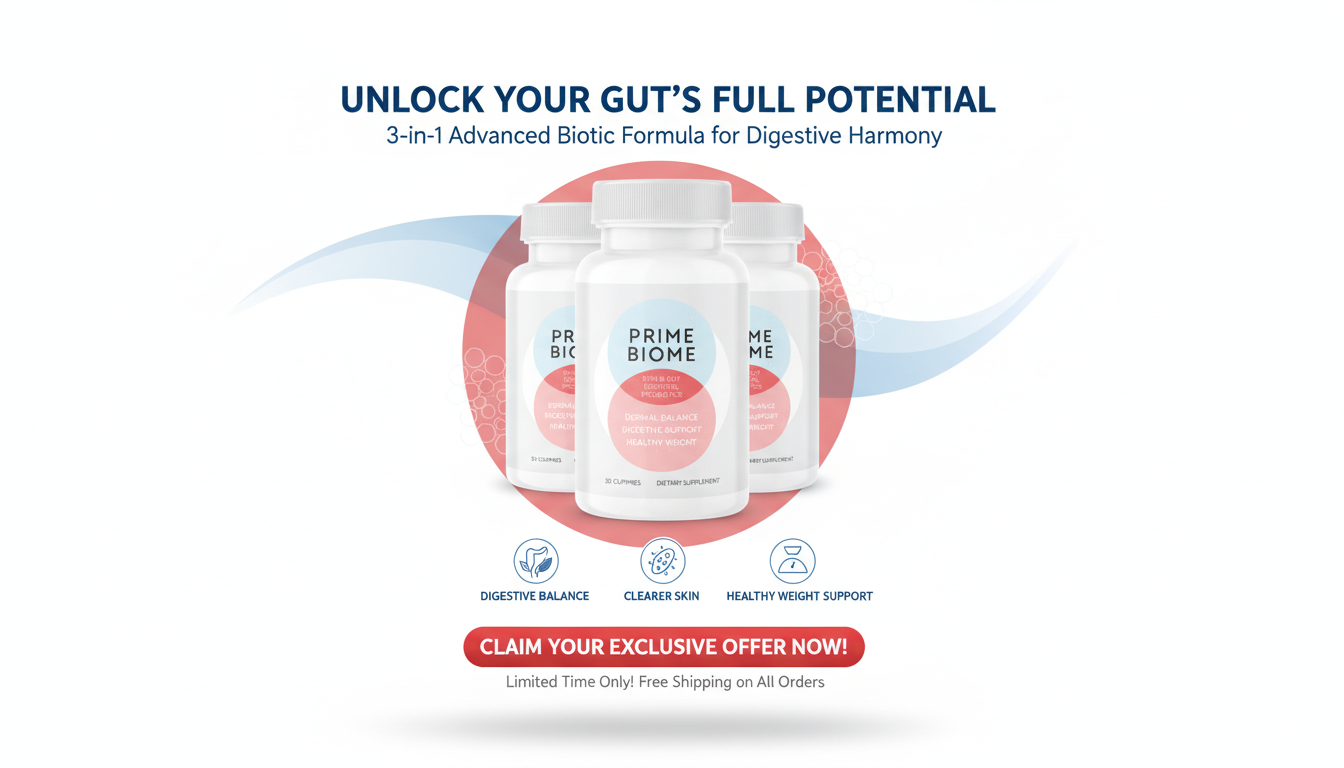
Our Recommended Solution for Bloating and Weight Management
It can be exhausting to cross-reference every product against this checklist of criteria. After evaluating numerous options based on the standards above, one formula that consistently stands out is PrimeBiome. It was clearly formulated to address the core issues of digestive distress and metabolic support, making it an excellent choice for this specific problem.
PrimeBiome is engineered to work because it directly aligns with what science tells us an effective gut-balancing supplement should do.
How PrimeBiome Meets the Criteria
Let’s break down why this formula is so well-suited for those seeking relief from bloating and support for their weight loss journey:
- Contains Key Strains: PrimeBiome includes both Lactobacillus gasseri to support metabolic health and Bifidobacterium lactis to target digestive comfort and reduce bloating. It’s a targeted approach rather than a generic blend.
- Synbiotic Power: It is enhanced with a potent blend of prebiotics, including Fructooligosaccharides (FOS), which act as the perfect fuel to ensure the probiotic strains flourish and establish themselves within your gut.
- Purity and Potency: Manufactured in a state-of-the-art facility, PrimeBiome is free from common allergens and unnecessary additives. Its formulation focuses on delivering a pure, potent dose of beneficial bacteria without the junk.
- Enhanced Survivability: The strains selected for PrimeBiome are known for their resilience, ensuring they can survive the harsh acidic environment of the stomach and reach your intestines where they can be most effective.
For anyone who has felt let down by generic supplements, PrimeBiome represents a strategic, science-backed approach. It provides the specific tools your body needs to rebalance its microbiome, which can be the turning point in your struggle with bloating and weight.
Taking the Next Step Towards a Healthier Gut
Ultimately, choosing the best probiotic for bloating and weight loss means investing in a formula that is intelligently designed. It means moving beyond generic blends and opting for a targeted solution built on clinically-researched strains and a synbiotic approach. By nourishing your gut, you are setting the foundation for a healthier metabolism, smoother digestion, and a body that finally feels in balance.
If you’re ready to stop the cycle of frustration and address the root cause of your symptoms, taking a closer look at a comprehensive formula like PrimeBiome could be the most important step you take on your wellness journey.
Frequently Asked Questions (FAQ)
How long does it take for a probiotic to work for bloating?
While some people report feeling a reduction in bloating within the first week, it can take anywhere from 2 to 4 weeks for the beneficial bacteria to colonize your gut and for you to notice significant, consistent improvements. Consistency is key.
Can probiotics alone cause weight loss?
Probiotics are best viewed as a powerful tool to support your efforts. They can help create an internal environment that is conducive to weight loss by improving metabolism and reducing inflammation. However, they work best when combined with a balanced diet and regular physical activity. They are not a magic pill, but they can make your healthy habits more effective.
Are there any side effects when starting a probiotic?
When you first start taking a probiotic, you may experience a brief period of increased gas or bloating as your gut microbiome adjusts. This is usually mild and temporary, typically subsiding within a few days. It’s often a sign that the beneficial bacteria are going to work. If symptoms are severe or persist, it’s always a good idea to consult your healthcare provider.
Disclaimer: The information in this article is for educational purposes only. Please consult with a healthcare professional before starting any new supplement regimen.