
The Silent Signals: Are You Ignoring the Signs of an Unhealthy Gut?
In our busy lives, it’s easy to dismiss minor discomforts. A little bloating after a big meal, a sudden dip in energy, or a craving for sugary snacks might seem like normal, everyday occurrences. However, these subtle signals could be your body’s way of telling you something more profound: your gut is out of balance. Recognizing the signs of an unhealthy gut is the first and most crucial step toward reclaiming your digestive health and, by extension, your overall well-being. This guide will help you understand these signals and navigate the path to restoring balance.
Why Your Gut Health is the Cornerstone of Overall Wellness
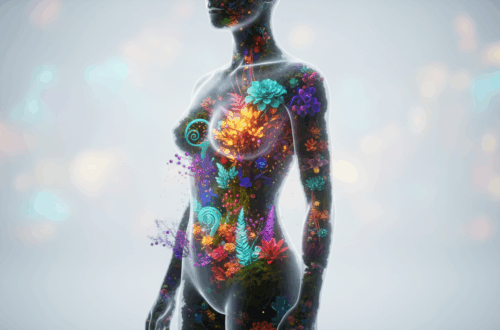
Often referred to as our “second brain,” the gut microbiome is a complex ecosystem of trillions of bacteria, fungi, and other microbes living in your digestive tract. This internal garden plays a pivotal role in nearly every aspect of your health. It aids in digestion, absorbs nutrients, produces essential vitamins, and even regulates your immune system. When this ecosystem is in harmony, with beneficial bacteria flourishing, your body functions optimally. But when harmful bacteria begin to take over, this delicate balance is disrupted, leading to a cascade of issues that can affect you from head to toe.
7 Common Signs of an Unhealthy Gut You Shouldn’t Ignore
An imbalanced gut, a condition known as dysbiosis, can manifest in various ways, many of which you might not immediately connect to your digestive system. Here are some of the most common signs to watch for.
1. Persistent Digestive Discomfort
This is perhaps the most obvious sign. Frequent gas, bloating, constipation, diarrhea, and heartburn are direct indicators that your gut is struggling to process food efficiently. While occasional issues are normal, persistent discomfort suggests an underlying imbalance in your gut flora.
2. Unexplained Weight Changes
If you’re gaining or losing weight without making significant changes to your diet or exercise routine, your gut could be the culprit. An imbalanced gut can impair your body’s ability to absorb nutrients, regulate blood sugar, and store fat. Certain types of bacteria can lead to inflammation, which is linked to obesity, while poor nutrient absorption can cause weight loss.
3. Constant Fatigue and Poor Sleep
Do you feel tired all the time, even after a full night’s rest? A significant portion of your body’s serotonin, a hormone that affects mood and sleep, is produced in the gut. An unhealthy gut can disrupt serotonin production, leading to insomnia or poor-quality sleep, which in turn fuels a cycle of chronic fatigue.

4. Skin Irritation and Problems
The skin and gut are intimately connected. Conditions like eczema, psoriasis, and acne can often be traced back to inflammation originating in the gut. A “leaky gut,” where toxins and undigested food particles pass into the bloodstream, can trigger an immune response that manifests as skin irritation.
5. Food Intolerances or Sensitivities
Developing new sensitivities to foods you once enjoyed can be a sign of poor gut health. This differs from a true food allergy. Intolerances are often the result of a decreased diversity of good bacteria, making it difficult to digest certain foods and leading to symptoms like bloating, gas, and abdominal pain.
6. Mood Swings and Mental Fog
The gut-brain axis is a powerful communication pathway. Chronic gut inflammation can affect your mental health, contributing to issues like anxiety, depression, and difficulty concentrating. If you experience frequent mood swings or “brain fog,” it may be linked to the health of your microbiome.
7. Frequent Cravings for Sugar
An overgrowth of certain types of “bad” bacteria and yeast can lead to intense cravings for sugary foods. These microbes thrive on sugar, and when you eat it, they multiply, fueling a vicious cycle of cravings and further unbalancing your gut ecosystem.
What Causes an Imbalance in Your Gut Microbiome?
Several factors in modern life can disrupt this delicate internal ecosystem. A diet high in processed foods, sugar, and unhealthy fats can feed harmful bacteria. Chronic stress can negatively impact gut health, as can insufficient sleep. The use of antibiotics, while often necessary, can wipe out both good and bad bacteria, leaving your gut vulnerable. Understanding these triggers is key to preventing further imbalance.
How to Naturally Restore Gut Health
The good news is that you have the power to improve your gut health. The journey starts with simple, consistent lifestyle changes.
- Focus on a Whole-Foods Diet: Prioritize fruits, vegetables, and high-fiber foods. These act as prebiotics, which are the food source for your beneficial gut bacteria.
- Incorporate Probiotics: Fermented foods like yogurt, kefir, sauerkraut, and kimchi are rich in probiotics—the live beneficial bacteria themselves.
- Manage Stress: Practices like meditation, deep breathing, and gentle exercise can lower stress levels and, in turn, benefit your gut.
- Prioritize Sleep: Aim for 7-9 hours of quality sleep per night to allow your body, including your gut, to rest and repair.
Restoring balance often involves a three-pronged approach: feeding the good bacteria with prebiotics, introducing more good bacteria with probiotics, and benefiting from the compounds they produce, known as postbiotics. Managing all these elements through diet alone can be challenging.
A Comprehensive Approach to Reclaiming Gut Balance
While dietary and lifestyle changes are fundamental, sometimes your gut needs extra support to overcome a significant imbalance. The challenge can be finding a solution that addresses the full spectrum of gut health—clearing out the bad while nurturing the good. This is where a targeted supplement can play a powerful role.
Formulations like PrimeBiome are designed to offer a comprehensive, 4-in-1 solution. It works by combining prebiotics to feed beneficial bacteria, powerful probiotics to replenish their populations, and postbiotics to provide immediate benefits. It also includes unique ingredients aimed at breaking down the “gut plaque” or biofilm where harmful bacteria can hide, creating a cleaner environment for your healthy flora to thrive. This synergistic approach helps simplify the complex process of rebalancing your gut, providing a robust foundation for your overall health.
In conclusion, listening to your body is paramount. The persistent, nagging issues you might be writing off as “normal” are often important signs of an unhealthy gut. By understanding these signals and taking proactive steps—through diet, lifestyle, and targeted support—you can restore your internal ecosystem, improve your digestion, and unlock a new level of well-being. Always remember to consult with a healthcare professional before beginning any new supplement regimen to ensure it’s the right choice for you.
Frequently Asked Questions (FAQ)
What is the gut microbiome?
The gut microbiome refers to the vast and diverse community of microorganisms, including bacteria, viruses, and fungi, that reside in your digestive tract. This ecosystem is crucial for digestion, immune function, and even mental health.
How long does it take to improve gut health?
The timeline for improving gut health varies for everyone. Some people may notice positive changes within a few weeks of making dietary and lifestyle adjustments, while for others, it may take several months. Consistency is key.
Is it safe to take a gut health supplement?
For most healthy adults, quality gut health supplements are generally considered safe. However, it is essential to choose reputable brands and, most importantly, to consult with a doctor or registered dietitian before adding any new supplement to your routine, especially if you have pre-existing health conditions or are taking other medications.