
Are You Feeling Betrayed by Your Own Body?
It’s a frustrating and often silent struggle. You eat well, you try to exercise, but you’re constantly battling bloating that makes you uncomfortable in your own clothes. You feel a persistent, unshakeable fatigue that coffee can’t fix, and you might be noticing skin issues or brain fog that clouds your day. Perhaps the most maddening part is the stubborn weight that won’t budge, no matter how disciplined you are. If this sounds familiar, you’re not alone, and you’re not imagining it. These widespread symptoms can often point to an underlying issue known as leaky gut syndrome.
Many people suffer for years without a clear answer, jumping from one diet to the next, trying endless probiotics, and feeling like they’re failing. But what if the problem isn’t about what you’re adding, but about what your gut is lacking? This guide will walk you through the science behind this common condition and provide actionable steps on how to fix leaky gut, empowering you to reclaim your health from the inside out.
What is Leaky Gut and How to Fix It?
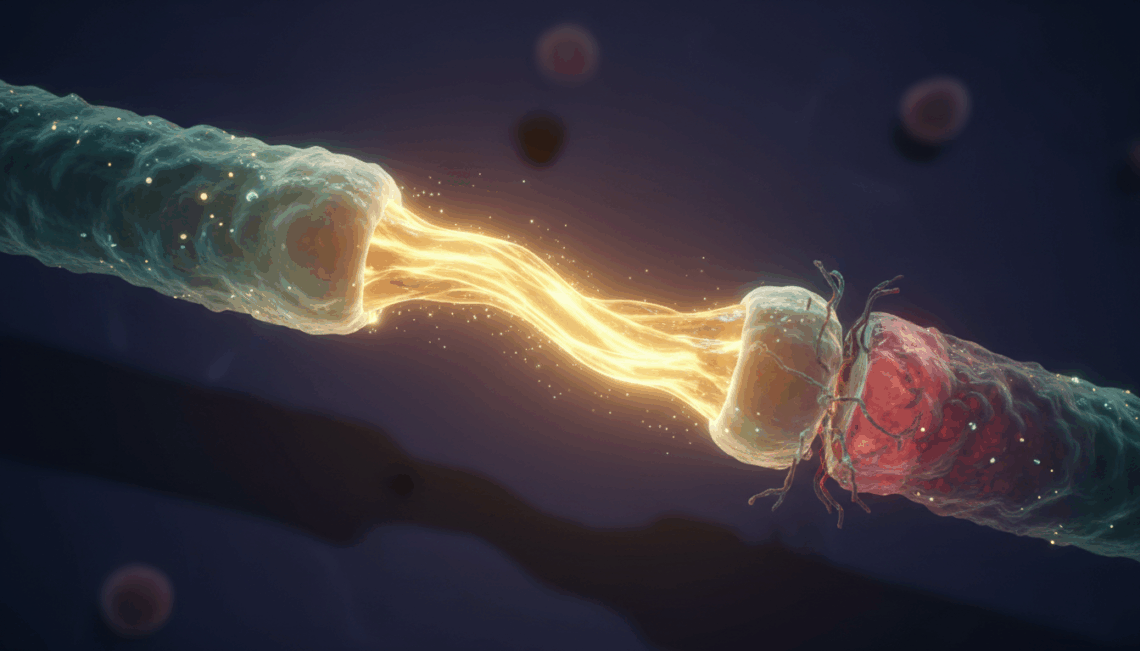
Leaky gut, known in the medical community as increased intestinal permeability, is a condition where the lining of your small intestine becomes damaged. Think of your gut lining as a tightly woven net with very small holes. This net is designed to let nutrients, vitamins, and minerals pass through into your bloodstream while blocking harmful substances like toxins, bacteria, and undigested food particles.
In a healthy gut, the junctions between the cells of this lining are tight and secure. However, due to factors like poor diet, chronic stress, and inflammation, these junctions can loosen. When this happens, the “net” gets larger holes, allowing those harmful substances to “leak” into your bloodstream where they don’t belong. This leakage triggers an immune response, leading to systemic inflammation and the very symptoms that plague you: bloating, fatigue, weight gain, skin problems, and food sensitivities.
Common Signs You Might Have Leaky Gut
The symptoms of leaky gut are widespread and can easily be mistaken for other conditions. Here are some of the most common indicators:
- Chronic Digestive Issues: Persistent gas, bloating, diarrhea, or constipation are hallmark signs that something is amiss in your gut.
- Unexplained Weight Gain: Systemic inflammation can disrupt your metabolism and hormones, making it difficult to maintain a healthy weight.
- Persistent Fatigue: Your body expends enormous energy dealing with the constant immune activation caused by leaked particles.
- Skin Problems: Conditions like acne, eczema, or psoriasis can often be an external reflection of internal inflammation originating in the gut.
- Brain Fog: The gut-brain axis is a powerful connection. Inflammation can impact cognitive function, leading to difficulty concentrating and a feeling of mental cloudiness.
- Food Sensitivities: As more undigested food particles enter your bloodstream, your immune system may begin to flag them as invaders, creating new sensitivities to foods you once ate without issue.
Understanding these signs is the first step. The next is to understand the mechanism behind the damage so you can learn how to fix leaky gut effectively.
The Unsung Hero of Gut Health: Butyrate
To understand how to heal the gut lining, we need to talk about what keeps it strong in the first place. The primary source of energy for the cells that make up your intestinal wall is a short-chain fatty acid called butyrate. Butyrate is a “postbiotic”—a beneficial compound produced when the “probiotic” good bacteria in your gut ferment dietary fiber.
Here’s the problem: modern diets are notoriously low in the specific types of fiber that feed these butyrate-producing bacteria. This leads to a critical butyrate deficiency. Without enough butyrate, your gut lining cells become weak and malnourished. The tight junctions loosen, the “leaks” begin, and the cycle of inflammation starts. While probiotics are important, they are only part of the equation. If you don’t provide them with the right fuel (fiber), or if your gut environment isn’t right, they can’t produce the butyrate needed to seal your gut lining.
A Step-by-Step Approach on How to Fix Leaky Gut
Healing leaky gut requires a multi-faceted approach that focuses on removing triggers and providing the building blocks for repair. It’s not an overnight fix, but consistent effort can lead to significant improvements. As always, it is crucial to consult with a healthcare professional before making significant changes to your diet or supplement regimen.
1. Remove Inflammatory Triggers
The first step is to stop adding fuel to the fire. Identify and reduce foods and substances that irritate your gut lining.
- Processed Foods: Foods high in sugar, unhealthy fats, and artificial additives are known to promote inflammation.
- Gluten and Dairy: For some individuals, these are common culprits that can irritate the gut lining. Consider an elimination diet to see if you notice improvements.
- Alcohol and NSAIDs: Both can be harsh on the intestinal wall and should be limited.
2. Incorporate Gut-Healing Foods
Focus on a whole-foods diet rich in nutrients that support gut health. This is a cornerstone of any plan for how to fix leaky gut.
- Fiber-Rich Vegetables: Asparagus, leafy greens, and cruciferous vegetables feed beneficial gut bacteria.
- Fermented Foods: Kimchi, sauerkraut, and kefir (if you tolerate dairy) provide a source of natural probiotics.
- Healthy Fats: Avocados, olive oil, and omega-3-rich fish help to reduce inflammation.
- Bone Broth: Rich in collagen and amino acids like glutamine, it provides essential building blocks for repairing the gut lining.
3. Manage Stress Levels
The gut-brain connection is undeniable. Chronic stress elevates cortisol, a hormone that can degrade the gut lining over time. Implementing stress-management techniques is non-negotiable.
- Mindfulness and Meditation: Even 10 minutes a day can help lower cortisol levels.
- Gentle Exercise: Activities like walking, yoga, or swimming can reduce stress and support healthy digestion.
- Prioritize Sleep: Aim for 7-9 hours of quality sleep per night. Your body does most of its repair work while you are sleeping.
4. Consider Targeted Supplementation
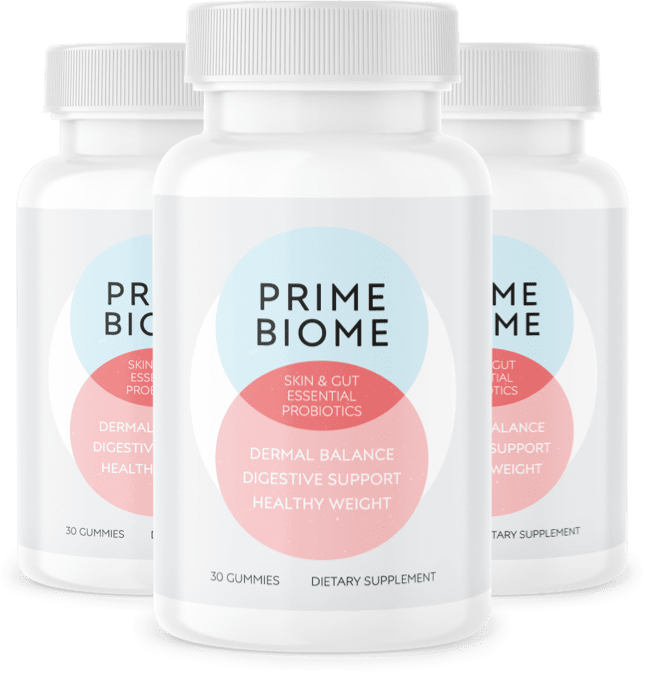
While diet is foundational, targeted supplementation can provide a significant boost to the healing process. This is where the science of postbiotics comes in. Since the core issue is often a lack of butyrate, directly supplementing with a bioavailable form of it can provide the gut lining with the fuel it needs to repair itself. Tributyrin is a highly effective form of butyrate that can bypass the stomach and deliver this healing compound directly to the intestines. This approach helps to “patch the holes” from the inside, supporting the tight junctions and reducing permeability.
Putting It All Together for Long-Term Health
Learning how to fix leaky gut is a journey of restoring balance to your body. It begins with understanding that the frustrating symptoms you’re experiencing are not your fault but are signals from a body in distress. By removing inflammatory triggers, nourishing your system with healing foods, managing stress, and providing your gut with the essential fuel it has been missing, you can begin to repair the barrier that is so crucial to your overall health.
The path to a sealed, healthy gut is one of consistency. It’s about making mindful choices each day that support your body’s natural healing capabilities. Over time, as your intestinal lining repairs, you may notice the bloating subsides, your energy returns, your mind clears, and your body finally starts to feel like your own again.
Disclaimer: The information provided in this article is for educational purposes only and is not intended as a substitute for professional medical advice, diagnosis, or treatment. Always seek the advice of your physician or other qualified health provider with any questions you may have regarding a medical condition. Never disregard professional medical advice or delay in seeking it because of something you have read here.