
Understanding the Root Causes of Dark Spots on Your Skin
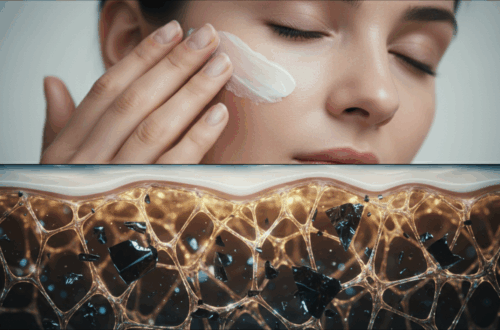
Dealing with dark spots on your skin can be a frustrating and often confusing experience. You might notice them on your face, hands, or other areas exposed to the sun, and they often seem to appear out of nowhere and refuse to fade. These spots, technically known as hyperpigmentation, can make you feel self-conscious and look older than you feel. If you’ve tried countless creams and treatments with little to no success, you’re not alone. The key to effectively managing them isn’t just about finding another topical solution; it’s about understanding the deep-seated causes of dark spots on skin.
This article will guide you through the science behind why these spots form, from the most common culprits to the less-obvious cellular processes happening beneath the surface. By understanding the root of the problem, you can make more informed decisions about your skincare and overall health.
First, What Exactly Is Hyperpigmentation?
Before we dive into the causes, let’s clarify what a dark spot is. Hyperpigmentation is a broad term that refers to any patch of skin that becomes darker in color than the surrounding skin. This darkening occurs when an excess of melanin, the brown pigment that produces normal skin color, forms deposits in the skin.
This process is controlled by cells called melanocytes. When these cells are healthy and functioning correctly, they produce an even amount of melanin, giving your skin a uniform tone. However, when they are triggered by certain internal or external factors, they can go into overdrive and produce too much melanin in a concentrated area, resulting in a visible dark spot.
The Primary Culprit: Sun Exposure (Photoaging)
The number one cause of dark spots is, without a doubt, excessive and unprotected sun exposure. When your skin is exposed to ultraviolet (UV) rays, it produces more melanin as a defense mechanism to protect itself from damage. Think of it as your skin creating its own natural sunblock.
While a tan might fade, years of cumulative sun exposure can cause melanocytes to produce melanin unevenly and in concentrated clumps. This leads to the formation of what are commonly known as:
- Sunspots: Also called solar lentigines or “age spots,” these are flat, oval areas of increased pigmentation.
- Freckles: While often genetic, they can become darker and more numerous with sun exposure.
This is why you most often see these spots on areas that get the most sun, like your face, the back of your hands, your shoulders, and your upper back.

A Deeper Issue: Cellular Aging and the Causes of Dark Spots on Skin
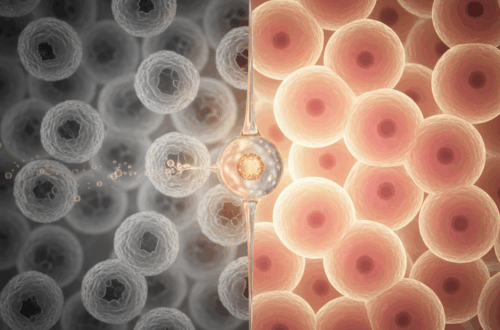
While external factors are significant, what happens inside our cells as we age plays a crucial role in the formation of stubborn spots. Our cells are powered by tiny organelles called mitochondria. Think of them as the batteries that give our cells the energy to perform their functions correctly, including repair and regeneration.
As we age, and due to factors like sun exposure and environmental stress, mitochondrial function can decline. In skin cells, this means melanocytes can become damaged or “confused.” Instead of producing melanin in a controlled, even manner, they start to malfunction, leading to the deposit of pigment where it shouldn’t be. This is why some spots are so persistent; they are a sign of localized cellular stress and dysfunction. Addressing skin health at this deeper, cellular level is a modern approach to achieving true skin clarity.
The Role of Hormones in Skin Discoloration
Have you ever noticed changes in your skin during pregnancy or while taking birth control pills? Hormonal fluctuations are another major trigger for hyperpigmentation. This type of discoloration is called melasma.
Estrogen and progesterone, the primary female sex hormones, can stimulate excess melanin production when the skin is subsequently exposed to sunlight. This often results in patchy brown or greyish marks on the face, typically on the cheeks, bridge of the nose, forehead, and upper lip. While it can affect anyone, it is most common in women, especially during their reproductive years.
Post-Inflammatory Hyperpigmentation (PIH)
Another of the key causes of dark spots on skin is a history of skin inflammation. Have you ever had a pimple that left a dark mark long after it healed? That is Post-Inflammatory Hyperpigmentation (PIH).
PIH is the skin’s natural response to injury. When the skin is traumatized—whether from acne, a cut, a burn, or a condition like eczema or psoriasis—it triggers an inflammatory response. As part of this healing process, the inflamed skin can stimulate melanocytes to release excessive pigment, essentially “staining” the skin. People with darker skin tones are often more susceptible to developing PIH.
How Can You Proactively Address Hyperpigmentation?
Understanding the causes is the first step. The second is taking a comprehensive approach to treatment and prevention. This involves a combination of protection, targeted treatments, and supporting skin health from within.
1. Sun Protection is Non-Negotiable
Since UV exposure is the primary trigger for most types of hyperpigmentation, daily use of a broad-spectrum sunscreen with an SPF of 30 or higher is the most critical step. This not only prevents new spots from forming but also stops existing ones from getting darker.
2. Use Targeted Skincare Ingredients
Several ingredients are known to help fade the appearance of dark spots. Look for products containing:
- Vitamin C: A potent antioxidant that helps brighten the skin and inhibit an enzyme involved in melanin production.
- Niacinamide: Also known as Vitamin B3, it helps reduce the transfer of pigment within the skin, leading to a more even skin tone.
- Retinoids: These Vitamin A derivatives increase skin cell turnover, helping to shed pigmented cells more quickly.
3. Support Deeper Skin Health
As we discussed, cellular stress is one of the underlying causes of dark spots on skin, especially stubborn age spots. To address this, some modern skincare formulations focus on supporting the health of your skin cells. For instance, the Mitolyn serum is designed with this principle in mind. It combines potent ingredients to not only address the spots on the surface but also to support the underlying health of your skin cells, helping to promote a clearer, more even complexion from a foundational level.
When to See a Dermatologist
It is crucial to remember that while most dark spots are harmless, any new, changing, or unusual spot should be examined by a board-certified dermatologist to rule out skin cancer. This article is for informational purposes only and does not constitute medical advice.
A dermatologist can also offer prescription-strength treatments like hydroquinone, professional chemical peels, or laser therapies for more stubborn cases of hyperpigmentation. Always consult a healthcare professional before starting any new treatment regimen.
Conclusion: A Clearer Path Forward
The dark spots on your skin tell a story—of sunny days, hormonal shifts, and the natural aging process. By understanding the root causes, from UV radiation to deep cellular changes, you can move beyond frustration and take empowered, effective action. A consistent routine focused on sun protection, targeted ingredients, and supporting overall skin health is the most reliable path to achieving the clear, radiant complexion you deserve.
Frequently Asked Questions About Dark Spots
Are dark spots a sign of skin cancer?
While most dark spots (like sunspots) are benign, it’s vital to monitor your skin. Look for the “ABCDEs” of melanoma: Asymmetry, irregular Border, uneven Color, Diameter larger than a pencil eraser, and Evolving or changing spots. If you notice any of these signs, see a dermatologist immediately for a professional evaluation.
Can dark spots go away on their own?
Some types of hyperpigmentation, like mild PIH from a pimple, may fade over several months. However, sun-induced spots and melasma are often persistent and typically require a dedicated skincare routine and consistent sun protection to see improvement.
How long does it take to fade dark spots?
Patience is key. With consistent use of targeted products and daily sun protection, you may start to see improvements in 6 to 12 weeks. Deeper or more stubborn spots can take six months to a year, or even longer, to fade significantly.