
Why Does Skin Lose Its Firmness and Elasticity?
To understand how to restore skin elasticity, we first need to grasp why it diminishes. Deep within your skin lies a supportive network of fibers, primarily made of two proteins: collagen and elastin. Think of collagen as the frame that gives your skin its firmness and structure, while elastin provides the snap and resilience, allowing it to stretch and return to its original shape.
As we age, the production of both these proteins naturally slows down. Compounding this are external factors like sun exposure (UV radiation), environmental pollutants, and lifestyle choices. These elements generate free radicals, unstable molecules that damage your skin cells and accelerate the breakdown of your existing collagen and elastin network.
The Hidden Culprit: Cellular Energy Decline
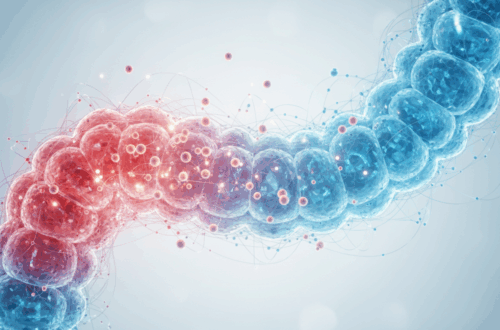
Beyond these well-known factors lies a deeper, cellular reason for the loss of skin firmness. Every cell in your body, including your skin cells, is powered by tiny engines called mitochondria. These organelles are responsible for producing the energy your cells need to perform their functions, such as repairing damage and, crucially, manufacturing new collagen and elastin.
With time, mitochondrial function can become less efficient. This energy crisis at the cellular level means your skin cells can’t keep up with the demand for repair and regeneration. The result is a weaker support structure, leading to the visible signs we associate with aging skin: fine lines, wrinkles, and a noticeable loss of elasticity.
Foundational Steps for Better Skin Resilience
Before exploring advanced solutions, it’s essential to have the fundamentals in place. These daily habits form the first line of defense in preserving and supporting your skin’s natural elasticity.
- Sun Protection is Non-Negotiable: UV radiation is the single biggest accelerator of skin aging. Daily use of a broad-spectrum sunscreen (SPF 30 or higher) is critical to protect your existing collagen and elastin from damage.
- Hydrate from the Inside Out: Dehydrated skin is less plump and resilient. Drinking an adequate amount of water throughout the day helps maintain your skin’s moisture balance, which is essential for its overall health and elasticity.
- Nourish with a Nutrient-Rich Diet: A diet rich in antioxidants (found in colorful fruits and vegetables), healthy fats (like those in avocados and nuts), and lean proteins provides the building blocks your body needs to support skin health. Vitamin C, in particular, is a vital co-factor for collagen synthesis.
The Cellular Approach to Improving Skin Elasticity
While the foundational steps are crucial for protection, a modern approach to genuinely improve skin elasticity involves supporting it at the cellular level. If inefficient mitochondria are the root of the problem, then supporting their health and function is the key to a meaningful solution. This is about moving beyond temporarily plumping the skin’s surface and instead focusing on revitalizing the cellular factories responsible for its structure.
When your skin cells have the energy they need, they are better equipped to carry out their regenerative processes. This means more efficient collagen and elastin production, leading to a denser, more resilient skin matrix. The goal is to create an internal environment where your skin can function more youthfully, resulting in a visibly firmer and smoother appearance.

Key Ingredients That Support a Firmer Skin Structure
Several topical ingredients have been scientifically studied for their ability to support the skin’s structure and function. Incorporating them into your routine can provide significant benefits.
Niacinamide (Vitamin B3)
Niacinamide is a versatile ingredient that offers multiple benefits. It’s known to improve the skin’s barrier function, which reduces water loss and improves hydration. More importantly, it can help improve skin’s elasticity and has been shown to support cellular energy metabolism.
Hyaluronic Acid
Famous for its ability to hold up to 1,000 times its weight in water, Hyaluronic Acid is a hydration powerhouse. While it doesn’t directly build new collagen, it creates a hydrated and plump environment, which makes the skin appear smoother and reduces the look of fine lines. This supportive, hydrated environment is optimal for healthy cellular function.
Antioxidants (like Polyphenols and Vitamin C)
Antioxidants are essential for neutralizing free radical damage. By protecting cells from oxidative stress, they help preserve your existing collagen and elastin. Ingredients rich in polyphenols, derived from botanicals like Korean Ginseng, provide potent antioxidant protection, helping to shield the skin’s vital proteins from degradation.
Beyond Creams: A Targeted Solution for Cellular Support
You can follow a perfect diet, stay hydrated, and use sunscreen, but still feel like your skin isn’t responding as it used to. This is often where the gap in cellular energy becomes apparent. To bridge this gap, you need a solution designed specifically to address this underlying issue.
This is where a specialized serum like Mitolyn comes in. It was formulated based on the understanding that the health of your mitochondria is paramount for youthful-looking skin. Instead of just layering ingredients on the surface, its approach is to deliver a blend of potent polyphenols and supportive nutrients that are intended to nourish and support these cellular engines.
By focusing on the root cause—the energy decline in skin cells—Mitolyn aims to support the skin’s natural ability to rejuvenate itself. The formula includes ingredients like Niacinamide and Hyaluronic Acid, combined with a specialized botanical complex, to create a comprehensive system that addresses both hydration and, most importantly, the cellular vitality needed to effectively restore skin elasticity.
Conclusion: A Holistic Path to Firmer Skin
Restoring skin elasticity is not about a single miracle cream but about a comprehensive strategy. It starts with protecting your skin from external aggressors and providing it with the right nutrition and hydration. However, for a truly transformative approach, the focus must shift inward to the cellular level. By supporting the health and energy of your skin cells, you empower your skin to rebuild and repair its own structure from within. This holistic method is the most effective path toward achieving a visibly firmer, smoother, and more resilient complexion.
Frequently Asked Questions About Skin Elasticity
How long does it take to see an improvement in skin elasticity?
Results vary depending on individual factors like age, genetics, and lifestyle. With a consistent routine of sun protection, proper nutrition, and targeted cellular support, some individuals may notice improvements in skin texture and hydration within a few weeks. However, significant changes in firmness and elasticity can take 2-3 months or longer, as it takes time for your body to produce new collagen.
Is sagging skin purely determined by genetics?
Genetics play a role in how your skin naturally ages, but they are not the only factor. External factors, particularly sun exposure, and lifestyle choices like smoking and diet, have a massive impact on the speed at which your skin loses elasticity. You have significant control over these environmental factors.
Can lifestyle changes alone restore skin elasticity?
A healthy lifestyle is fundamental and can certainly slow down the degradation of collagen and elastin, leading to healthier skin overall. However, for those who have already experienced a noticeable loss of firmness, combining lifestyle changes with a targeted, cellular-focused skincare approach can yield more significant and visible results. It is always best to consult with a dermatologist to create a personalized plan for your skin concerns.