
Understanding the Frustration of a Slow Metabolism After 40
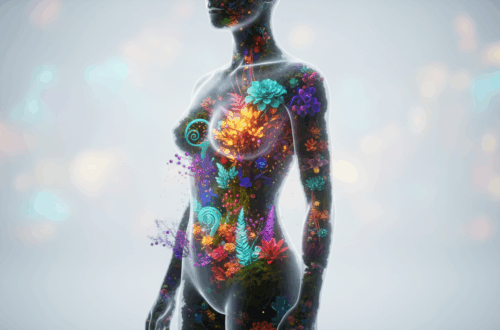
If you’re over 40 and feel like you’re fighting a losing battle with your weight, you are not alone. You eat well, you try to stay active, but the numbers on the scale refuse to budge. It can feel incredibly disheartening, leading many to believe they have a “broken” or impossibly slow metabolism after 40. This feeling that your own body is working against you is a common and valid frustration.
The truth is, your metabolism does change as you age. However, it’s not a life sentence of inevitable weight gain. Understanding the real reasons behind these changes is the first step toward taking back control. This isn’t about chasing fad diets or punishing workout routines; it’s about working with your body, not against it. In this guide, we’ll explore the science behind metabolic shifts and provide actionable strategies to help you feel vibrant, energetic, and in control of your health once again.
What Really Causes Metabolism to Slow Down?
The term “metabolism” refers to all the chemical reactions in your body that keep you alive. Your Basal Metabolic Rate (BMR) is the number of calories your body needs at rest to perform basic functions like breathing and cell repair. While age is a factor, several interconnected elements contribute to a decline in BMR.
Age-Related Muscle Loss (Sarcopenia)
Perhaps the single most significant factor in a slower metabolism is the natural loss of muscle mass, a condition known as sarcopenia. Beginning around age 30, adults can lose 3-5% of their muscle mass per decade. Muscle is metabolically active tissue, meaning it burns more calories at rest than fat does. As you lose muscle, your body’s baseline calorie-burning engine slows down. Less muscle means a lower BMR, making it easier to gain weight even if your eating habits haven’t changed.
Hormonal Shifts
Hormones are powerful chemical messengers that regulate countless bodily functions, including metabolism. For women, the transition into perimenopause and menopause brings a significant drop in estrogen, which is linked to an increase in abdominal fat and a slowdown in metabolic rate. For men, testosterone levels gradually decline with age (a condition sometimes called andropause), which can lead to reduced muscle mass and increased body fat, further impacting metabolism.
The Cellular Factor: Mitochondrial Decline
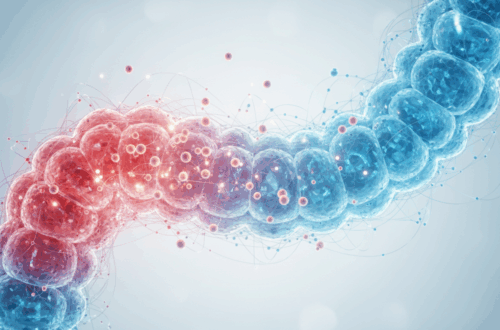
On a microscopic level, another critical process is underway. Your cells are powered by tiny engines called mitochondria. These are responsible for turning food and oxygen into energy. As we age, the efficiency and number of our mitochondria can decline. This cellular energy crisis means your body becomes less effective at burning calories for fuel, instead storing them as fat. Furthermore, the accumulation of “senescent” or “zombie” cells—older cells that stop dividing but refuse to die—can create metabolic disruption, contributing to the feeling of a sluggish system.
Lifestyle Strategies for a More Efficient Metabolism
While you can’t stop the aging process, you have significant power to counteract these metabolic slowdowns through strategic lifestyle choices. Addressing a slow metabolism after 40 requires a smarter, more targeted approach.
Prioritize Protein and Strength Training
This is your number one defense against sarcopenia. Strength training (using weights, resistance bands, or your own body weight) is essential to build and maintain metabolically active muscle mass. Aim for at least two sessions per week. Pair this with adequate protein intake distributed throughout the day. Protein has a higher thermic effect of food (TEF) than carbs or fats, meaning your body burns more calories just digesting it. It also provides the building blocks your muscles need to repair and grow.
Embrace NEAT (Non-Exercise Activity Thermogenesis)
NEAT refers to the energy you expend for everything you do that isn’t sleeping, eating, or formal exercise. This includes walking to your car, taking the stairs, fidgeting, or even gardening. In our modern, sedentary lives, NEAT has plummeted. Making a conscious effort to simply move more throughout the day can have a profound impact on your total daily calorie burn. Take short walk breaks, stretch at your desk, and choose activities that keep you on your feet.
Master Hydration and Sleep
Never underestimate the basics. Your metabolism can slow down with even mild dehydration. Water is essential for every metabolic process. Aim for consistent hydration throughout the day. Similarly, poor sleep is a metabolic disaster. Lack of quality sleep can disrupt appetite-regulating hormones like ghrelin and leptin, increase cortisol (a stress hormone linked to fat storage), and impair insulin sensitivity. Prioritizing 7-9 hours of quality sleep per night is non-negotiable for metabolic health.

Beyond Diet and Exercise: Supporting Your Metabolism at the Cellular Level
For many, even with consistent diet and exercise, breaking through a weight loss plateau after 40 feels impossible. This is often where the cellular component—the decline in mitochondrial efficiency and the accumulation of senescent cells—plays a major role. It’s the “hidden” factor that traditional advice doesn’t always address.
This has led researchers to investigate how specific natural compounds might support the body’s cellular machinery. The goal is to help restore the metabolic environment to a more youthful, efficient state. Ingredients sourced from unique plants and marine life are being studied for their potential to activate the body’s own fat-burning pathways and support mitochondrial health.
One such approach is found in Mitolyn, a novel serum designed to work with your body to address these age-related metabolic challenges. It’s formulated with a blend of compounds that aim to support cellular energy and help clear out the metabolic “gunk” that can accumulate over time. By targeting the root causes at the cellular level, it provides a complementary strategy to your healthy lifestyle efforts, offering a potential edge for those who feel stuck.
A Holistic Approach for Long-Term Success
The most effective path forward is a holistic one. You cannot supplement your way out of a poor diet or a sedentary lifestyle. The true power lies in combining the foundational pillars of health with targeted support that addresses the unique challenges of aging.
Think of it this way: strength training and proper nutrition build the engine (your muscle). Good sleep and hydration provide the high-quality fuel and maintenance. And a targeted supplement like Mitolyn can act as a high-performance tune-up, cleaning out the engine’s inner workings to help it run more efficiently. By integrating these elements, you create a powerful synergy that addresses your slow metabolism after 40 from every possible angle.
Ultimately, resetting your metabolism is about more than just weight loss; it’s about restoring your vitality. It’s about having the energy to enjoy your life, feeling strong in your body, and being confident that you are giving yourself the best possible tools for long-term health and wellness. Remember to always consult with your healthcare provider before beginning any new supplement or exercise program to ensure it’s the right choice for your individual health needs.
Frequently Asked Questions (FAQ)
Can I really increase my metabolism after 40?
Absolutely. While you can’t change your chronological age, you can change your biological age by improving body composition. By increasing muscle mass through strength training and providing your body with proper nutrients, you can effectively increase your resting metabolic rate, meaning you burn more calories 24/7.
Is a slow metabolism the only reason for weight gain after 40?
No, it’s a major factor, but not the only one. Lifestyle creep (becoming gradually more sedentary), changes in eating habits, increased stress levels, and poor sleep all contribute significantly to weight gain. A holistic approach that addresses all these factors is the most effective strategy.
How long does it take to see changes in my metabolism?
Building muscle and improving cellular health takes time and consistency. You may start to feel more energetic within a few weeks of implementing lifestyle changes. Noticeable changes in body composition and metabolic rate typically take at least 8-12 weeks of consistent effort. Patience and persistence are key.