Is Your Gut Health Sabotaging Your Weight Loss Journey?
You’ve tried it all. You cut calories, spend hours at the gym, and say no to dessert. Yet, that stubborn belly fat refuses to budge. It’s a frustrating cycle that leaves many feeling defeated. But what if the root of the problem isn’t on your plate or in your workout routine, but deep within your gut? The emerging science surrounding the gut health and weight gain connection is revealing that the trillions of bacteria living in your digestive system may hold the key to unlocking sustainable weight management.
This isn’t about a new fad diet or a miracle workout. It’s about understanding the complex ecosystem inside you—your microbiome—and how its balance can either support your health goals or actively work against them. If you feel like you’re fighting a losing battle with your weight, it’s time to look deeper.
The Hidden World Within: Understanding Your Gut Microbiome
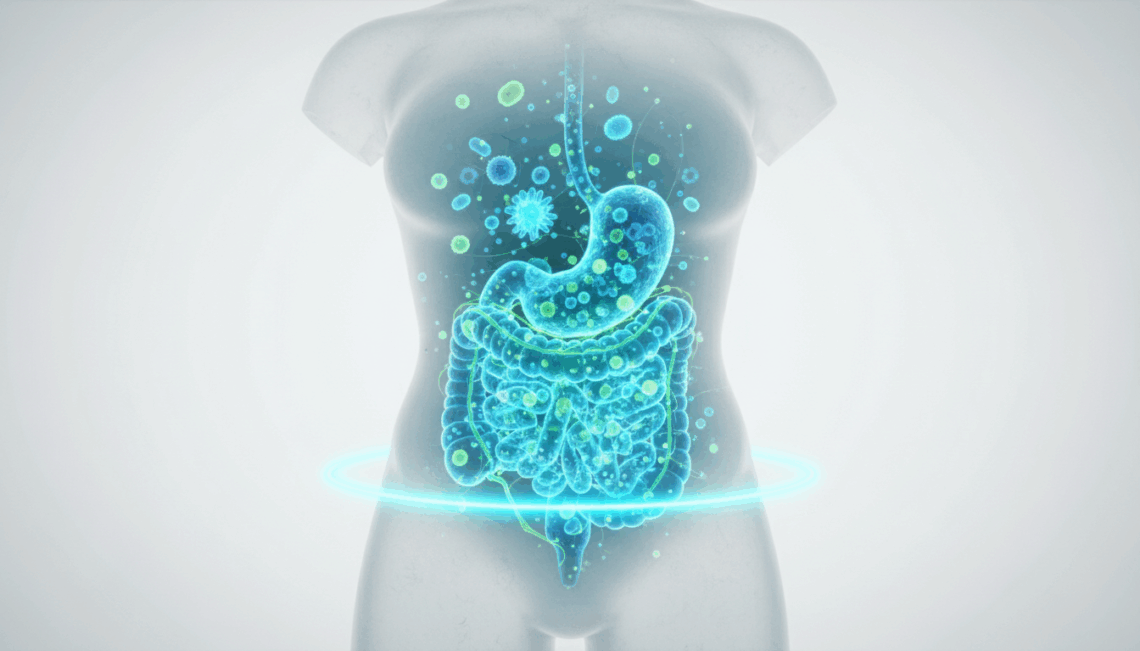
Think of your gut as a bustling city inhabited by trillions of microorganisms, including bacteria, fungi, and viruses. This community is known as your gut microbiome. In a healthy state, there’s a harmonious balance between beneficial bacteria and potentially harmful ones. These good bacteria are essential for more than just digestion; they play a critical role in your immune system, mood, and, importantly, your metabolism.
However, modern life can easily disrupt this delicate balance. Factors like a diet high in processed foods, chronic stress, poor sleep, and even the use of antibiotics can reduce the diversity of your gut flora. This imbalance, known as dysbiosis, is where the trouble often begins.
The Firmicutes vs. Bacteroidetes Ratio: The Bacterial Fat Switch
Scientific research has identified two major groups of bacteria that are particularly influential in weight management: Firmicutes and Bacteroidetes. Here’s the simple breakdown:
- Firmicutes: These bacteria are incredibly efficient at extracting calories from the food you eat. An overabundance of Firmicutes means you might be absorbing more calories from the exact same meal than someone with a healthier gut balance.
- Bacteroidetes: This group is associated with leaner body types. They are less efficient at extracting calories, meaning more energy passes through your system without being stored as fat.
Studies have consistently shown that individuals who are overweight or obese tend to have a higher ratio of Firmicutes to Bacteroidetes. This imbalance can create a metabolic environment that favors fat storage, making weight loss feel like an uphill battle.

How an Unbalanced Gut Directly Fuels Weight Gain
The gut health and weight gain connection is not just a theory; it’s a series of biological mechanisms that can directly impact your body’s ability to manage its weight. Here are the primary ways an imbalanced microbiome can sabotage your efforts.
1. Increased Calorie Absorption
As mentioned, a gut dominated by Firmicutes bacteria acts like a super-efficient calorie-harvesting machine. These microbes break down complex carbohydrates that your body would otherwise not be able to digest, turning them into short-chain fatty acids. While some of these are beneficial, the excess energy is quickly absorbed and stored in your fat cells. Essentially, your gut bacteria could be causing you to gain weight from the very same foods that someone else doesn’t.
2. Hijacked Hunger and Cravings
Have you ever had intense, inexplicable cravings for sugary or high-fat foods? It might not just be you—it could be your gut bacteria. Harmful bacteria thrive on sugar and processed foods. When they are the dominant population, they can send signals to your brain that increase cravings for the very foods that help them multiply. This creates a vicious cycle: you eat poorly, the bad bacteria flourish, and they, in turn, make you crave more of the same junk food.
3. Inflammation and Metabolic Dysfunction
An unhealthy gut lining can become more permeable, a condition often referred to as “leaky gut.” This allows toxins and undigested food particles to “leak” into your bloodstream, triggering a system-wide inflammatory response. Chronic, low-grade inflammation is a well-known driver of insulin resistance, a condition where your cells stop responding properly to insulin. Insulin resistance not only promotes fat storage, especially around the abdomen, but is also a precursor to more serious metabolic conditions.
Taking Back Control: How to Nurture a Healthy Gut
The good news is that you are not powerless. Your microbiome is dynamic and can be reshaped through consistent, positive lifestyle changes. The journey to rebalancing your gut is foundational to achieving and maintaining a healthy weight.
Dietary Strategies for a Healthier Microbiome
- Embrace Fiber: Prebiotic fiber is the food that your beneficial bacteria love. Load up on high-fiber foods like vegetables (asparagus, onions, garlic), fruits (bananas, apples), legumes, and whole grains.
- Incorporate Fermented Foods: Foods like yogurt (with live cultures), kefir, sauerkraut, and kimchi are rich in probiotics—the live beneficial bacteria themselves.
- Limit Sugar and Processed Foods: Starve the bad bacteria by cutting back on their favorite fuel source. This is one of the most impactful changes you can make.
The Role of Targeted Probiotic Support
While diet is the cornerstone of gut health, sometimes a more targeted approach is needed to kickstart the rebalancing process. This is where a high-quality probiotic supplement can be a powerful ally. A well-formulated supplement can help repopulate your gut with beneficial bacteria, helping to crowd out the harmful strains that contribute to weight gain and digestive distress.
One supplement designed with this specific goal in mind is PrimeBiome. It’s formulated with specific probiotic strains that are researched for their potential to support a healthy gut environment, aid in digestion, and help restore the balance needed for a healthy metabolism. By providing a concentrated dose of beneficial microbes, PrimeBiome aims to support your body in its fight against the underlying causes of weight gain, like bloating and an imbalanced flora.
Conclusion: Your Gut Is Your Greatest Ally
The frustration of unexplained weight gain and constant bloating is real, but understanding the gut health and weight gain connection offers a new path forward. It shifts the focus from solely blaming diet and exercise to nurturing the foundational ecosystem within you. By taking proactive steps to rebalance your gut microbiome through a healthy diet and targeted support, you can create an internal environment that works with you, not against you, in achieving your wellness goals.
Remember, this is not about a quick fix. It’s about a long-term strategy for overall health that starts from within. Be patient, be consistent, and always consult with a healthcare professional before beginning any new supplement regimen to ensure it’s the right choice for your individual health needs.
Frequently Asked Questions (FAQ)
Can gut health really affect weight?
Absolutely. A growing body of research shows that the balance of bacteria in your gut can influence how you extract calories from food, how fat is stored, and the hormones that control hunger and satiety.
How long does it take to improve gut health?
While some people may notice improvements in digestion within a few days of making dietary changes or starting a probiotic, significant shifts in the microbiome composition can take several weeks to months of consistent effort.
Is a supplement necessary for gut health?
A whole-foods, high-fiber diet is the most important factor. However, a targeted probiotic supplement like PrimeBiome can provide additional support, especially when your gut has been significantly compromised by factors like a poor diet, stress, or antibiotic use.