
The Frustration of a Bloated Belly
You’ve done everything right. You eat your greens, you drink plenty of water, and you religiously take your daily probiotic. Yet, the stubborn bloating, uncomfortable gas, and digestive unpredictability remain. It’s a frustrating cycle that leaves many people wondering, “Why are probiotics not working for bloating for me?” If this sounds familiar, you’re not alone. The truth is, while probiotics are beneficial for many, they aren’t a one-size-fits-all solution, and there are deeper reasons why they might not be delivering the relief you expect.
Understanding your gut is like understanding a complex ecosystem. Simply adding more of one species (probiotics) doesn’t always fix an underlying imbalance. Sometimes, the environment itself needs to be addressed first. This guide will explore the hidden reasons your probiotic efforts might be falling short and introduce a different approach to achieving the digestive comfort you deserve.
Understanding the Gut Microbiome Basics
Before we dive into why things go wrong, let’s quickly cover the basics. Your gut is home to trillions of microorganisms, collectively known as the gut microbiome. This internal world is crucial for everything from digestion and nutrient absorption to immune function and even mood regulation.
What Are Probiotics?
Probiotics are live, beneficial bacteria and yeasts that are good for you, especially your digestive system. We usually think of them as the “good” microorganisms that help keep your gut healthy. You can find them in supplements and fermented foods like yogurt, kefir, and kimchi. The main idea behind taking probiotics is to replenish and balance the good bacteria in your gut.
The Hidden Reasons Probiotics May Not Work for Bloating
If you’re consistently taking a quality probiotic and still experiencing discomfort, it’s time to look deeper. The issue often isn’t the probiotic itself, but the environment it’s entering. Here are some of the key reasons why even the best probiotics might not be working for your bloating.
The Issue of Gut Lining Integrity
Think of your gut lining as the gatekeeper between your digestive system and the rest of your body. It’s a delicate, single-cell layer that is meant to absorb nutrients while preventing toxins and undigested food particles from entering your bloodstream. Over time, factors like stress, poor diet, and inflammation can damage this lining.
Recent science has pointed to a phenomenon known as cellular senescence in the gut. This is where old, dysfunctional cells—sometimes called “zombie cells”—accumulate in the gut lining. These cells don’t die off as they should; instead, they linger and release inflammatory substances that can further damage the gut wall. When this protective lining is compromised, it creates a hostile environment where even beneficial probiotic bacteria struggle to adhere, colonize, and thrive. You can add all the good bacteria you want, but if their home is in disrepair, they simply can’t do their job effectively.
The Wrong Strains for Your Specific Needs
The term “probiotic” is very broad. There are hundreds of different strains of beneficial bacteria, and each one has a different job. For example, Lactobacillus rhamnosus GG is excellent for supporting the immune system, while Bifidobacterium lactis is often studied for its effects on bowel regularity. If your bloating is caused by a specific imbalance, taking a generic probiotic blend that doesn’t contain the right strains for your particular issue might not yield any noticeable results. It’s like sending a plumber to fix an electrical problem.
Probiotic Quality and Survivability
The journey from the manufacturing facility to your gut is a perilous one for a live microorganism. Probiotics must survive storage, shipping, stomach acid, and bile salts to reach your intestines alive and in sufficient numbers. A low-quality supplement may not have enough Colony Forming Units (CFUs), or the strains it contains may not be stable enough to survive the trip. If too few bacteria make it to the finish line, you simply won’t see the benefits.
Always look for reputable brands that guarantee CFU count through the expiration date and use delivery technologies like delayed-release capsules to protect the bacteria from stomach acid. However, even with a high-quality product, if the gut lining is compromised as mentioned earlier, survivability still doesn’t guarantee effectiveness.
A New Approach: The Role of Postbiotics
If probiotics are the live workers, and prebiotics are the food for those workers, what happens when the factory (your gut lining) is the real problem? This is where a newer concept in gut health comes into play: postbiotics.
What Are Postbiotics and How Do They Help?
Postbiotics are the beneficial compounds that are produced by probiotics when they ferment prebiotic fiber. Think of them as the “end product” or the beneficial waste of good bacteria. These compounds include short-chain fatty acids (like butyrate), enzymes, and other metabolites.
The exciting thing about postbiotics is that they provide the benefits of a healthy microbiome without requiring live bacteria to colonize a potentially hostile gut. They work directly to support the health of the gut lining. Butyrate, for example, is the primary fuel source for the cells that make up your colon lining. By providing this fuel directly, postbiotics can help strengthen the gut barrier, reduce inflammation, and create a healthier environment where beneficial bacteria can eventually thrive.
PrimeBiome: A Solution Targeting Gut Lining Health
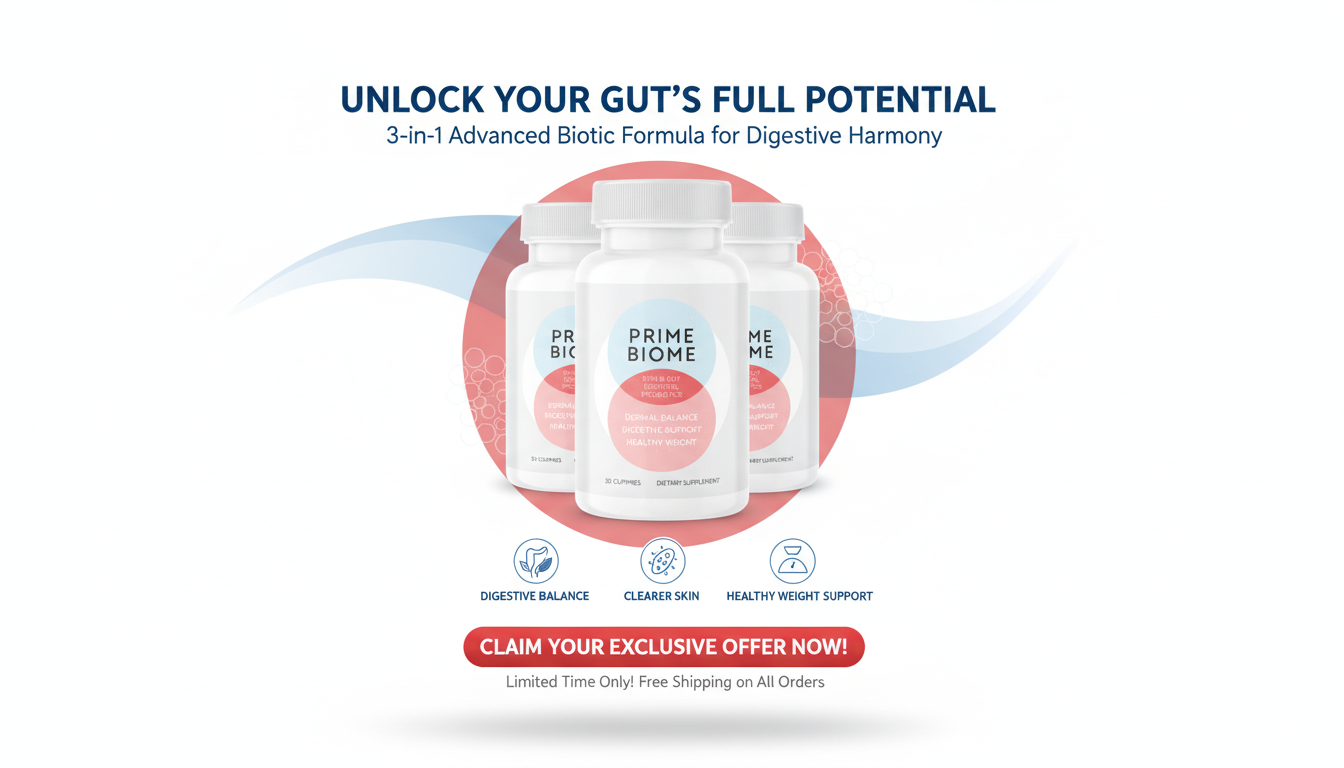
Understanding that the root cause of many digestive issues lies in the health of the gut lining, some advanced supplements are now focusing on this area. PrimeBiome is a next-generation formula that combines probiotics with potent postbiotic ingredients designed to specifically target and rejuvenate the gut wall.
Its approach is twofold. First, it includes ingredients aimed at helping the body clear out senescent “zombie cells” that contribute to inflammation and gut lining degradation. Second, it delivers a powerful dose of Tributyrin, a highly bioavailable form of the postbiotic butyrate, to directly nourish and fortify the gut barrier. By addressing the environment first, PrimeBiome creates the foundation for a truly balanced microbiome. It helps to repair the “home” so that both the supplemental probiotics and your own native good bacteria can finally do their jobs effectively, leading to lasting relief from bloating and discomfort.
Beyond Supplements: Lifestyle Habits for a Healthy Gut
While advanced supplements can provide targeted support, they work best as part of a holistic approach. To give your gut the best chance of success, consider these foundational habits:
- Eat a Diverse, Fiber-Rich Diet: Aim for a wide variety of fruits, vegetables, legumes, and whole grains. This provides the prebiotics that feed your good bacteria.
- Manage Stress: Chronic stress can negatively impact your gut lining and microbiome. Incorporate practices like meditation, deep breathing, or yoga into your routine.
- Prioritize Sleep: Your body performs critical repair functions while you sleep, including in your gut. Aim for 7-9 hours of quality sleep per night.
- Stay Hydrated: Water is essential for maintaining the mucosal lining of the intestines and promoting the balance of good bacteria.
Your Path to a Happier Gut
Feeling better starts with understanding the real reason probiotics are not working for your bloating. It’s not about failure, but about looking deeper—beyond just adding more bacteria—to the health of your gut ecosystem itself. By focusing on nourishing your gut lining and clearing out the dysfunctional elements that hold it back, you can create the right conditions for a balanced, comfortable, and resilient digestive system. Always remember to consult with a healthcare professional before starting any new supplement regimen to ensure it’s the right choice for your individual health needs.
Frequently Asked Questions (FAQ)
How long should I take probiotics before deciding they don’t work?
Generally, it’s recommended to try a specific probiotic supplement for at least 4 weeks to assess its effects. The gut microbiome is complex, and it can take time for changes to become noticeable. If you see no improvement after a month, it might be time to reassess the strain or consider underlying issues.
Can I take postbiotics and probiotics at the same time?
Yes, taking them together can be very beneficial. This is known as a synbiotic approach. Postbiotics can help improve the gut environment, making it more hospitable for the live probiotics to colonize and thrive, potentially enhancing their overall effectiveness.
Could my diet be making my probiotics less effective?
Absolutely. A diet high in processed foods, sugar, and unhealthy fats can promote inflammation and feed “bad” bacteria, creating a state of dysbiosis that can overpower the benefits of the probiotics you’re adding. A healthy, fiber-rich diet is crucial for supporting the work of your probiotic supplement.