You’ve done everything by the book. You’ve cut calories, increased your cardio, and even started lifting weights. Yet, the scale refuses to budge, and that stubborn fat around your midsection seems to have taken up permanent residence. It’s a frustrating, demoralizing experience that leaves many people asking the same question: “What am I doing wrong?”
If this sounds familiar, you’re not alone. The truth is, the traditional “calories in, calories out” model of weight management is an incomplete picture. There’s a powerful, often-overlooked player in this game: your gut. The connection between gut health and weight loss is one of the most significant frontiers in modern wellness, and understanding it could be the key to finally unlocking the results you’ve been working so hard for.
What Exactly Is the Gut Microbiome?
Imagine a bustling city thriving inside your digestive system. This city is inhabited by trillions of microorganisms—bacteria, viruses, fungi, and other microbes—collectively known as the gut microbiome. While the word “bacteria” might sound alarming, the vast majority of these inhabitants are crucial for your health.
These tiny organisms play a vital role in everything from digesting your food and producing essential vitamins to regulating your immune system and even influencing your mood. A healthy, balanced gut microbiome is like a well-run city, where beneficial bacteria flourish and keep potentially harmful bacteria in check. However, when this delicate balance is disrupted—a state known as dysbiosis—it can lead to a cascade of health issues, including unexpected weight gain.
The Critical Link Between Gut Health and Weight Loss
So, how can these microscopic organisms have such a profound impact on your weight? The connection is multifaceted, involving your metabolism, inflammation, and even the signals your brain receives about hunger and cravings.
How Gut Bacteria Influence Metabolism and Fat Storage
Not all gut bacteria are created equal when it comes to processing food. Research suggests that the gut microbiomes of lean individuals often look very different from those of overweight individuals. Some types of bacteria are incredibly efficient at extracting calories from the food you eat. If your gut is dominated by these “fat-storing” bacteria, you may be absorbing more calories from the exact same meal than someone with a healthier gut balance.
Furthermore, an imbalanced microbiome can send signals that encourage your body to store more fat, particularly visceral fat, which is the dangerous type that surrounds your organs and contributes to belly fat.
Inflammation, Cravings, and Your Gut
Chronic low-grade inflammation is a known driver of obesity and metabolic disease. An unhealthy gut, where harmful bacteria proliferate, can compromise the lining of your intestines. This allows toxins and undigested food particles to “leak” into your bloodstream, triggering a system-wide inflammatory response from your immune system.
This inflammation can interfere with hormones that regulate appetite, like leptin and ghrelin. It can also impact your brain, driving powerful cravings for sugar and high-fat foods. It’s a vicious cycle: you eat sugary foods, which feed the harmful bacteria, which then create more inflammation and cravings for more sugar.
The Problem with Bloating and Digestive Distress
Constant bloating, gas, and irregular bowel movements are more than just uncomfortable—they are clear signs that your digestive system is struggling. When your gut isn’t breaking down food properly, it can lead to fermentation and gas production, causing that persistent puffy feeling. This discomfort not only affects your physical appearance but can also drain your energy and motivation, making it harder to stick to a healthy lifestyle.
Beyond Diet: How to Truly Improve Gut Health for Weight Loss
Restoring balance to your gut microbiome is a foundational step toward achieving sustainable weight loss. While a healthy diet rich in fiber, lean protein, and healthy fats is essential, sometimes your gut needs more targeted support to truly thrive.
Prebiotics: These are types of dietary fiber that act as fertilizer for your good bacteria. Foods like onions, garlic, bananas, and whole grains are excellent sources.
Probiotics: These are the live beneficial bacteria themselves. You can find them in fermented foods like yogurt, kefir, sauerkraut, and kimchi. However, the strains and quantities in foods can be inconsistent.
Postbiotics: This is a newer and incredibly important concept. Postbiotics are the beneficial compounds produced *by* probiotic bacteria when they consume prebiotics. These are things like short-chain fatty acids, enzymes, and other metabolites that directly support your health, strengthen your gut lining, and reduce inflammation. Getting postbiotics directly can be a powerful way to support your gut, as it bypasses the need for probiotics to survive the journey through your stomach and produce these compounds.
A Strategic Approach to Supplementation
While a whole-foods diet is the cornerstone of gut health, the reality is that our modern lifestyles and food supply can make it difficult to get all the prebiotics, probiotics, and postbiotics we need for optimal balance. This is where a strategic, well-formulated supplement can make a significant difference.
Rather than just taking a generic probiotic, it’s beneficial to look for a comprehensive formula that addresses the entire gut health ecosystem. A product that combines specific, research-backed probiotic strains with essential prebiotics and the power of postbiotics can offer a multi-pronged approach to rebalancing your microbiome.
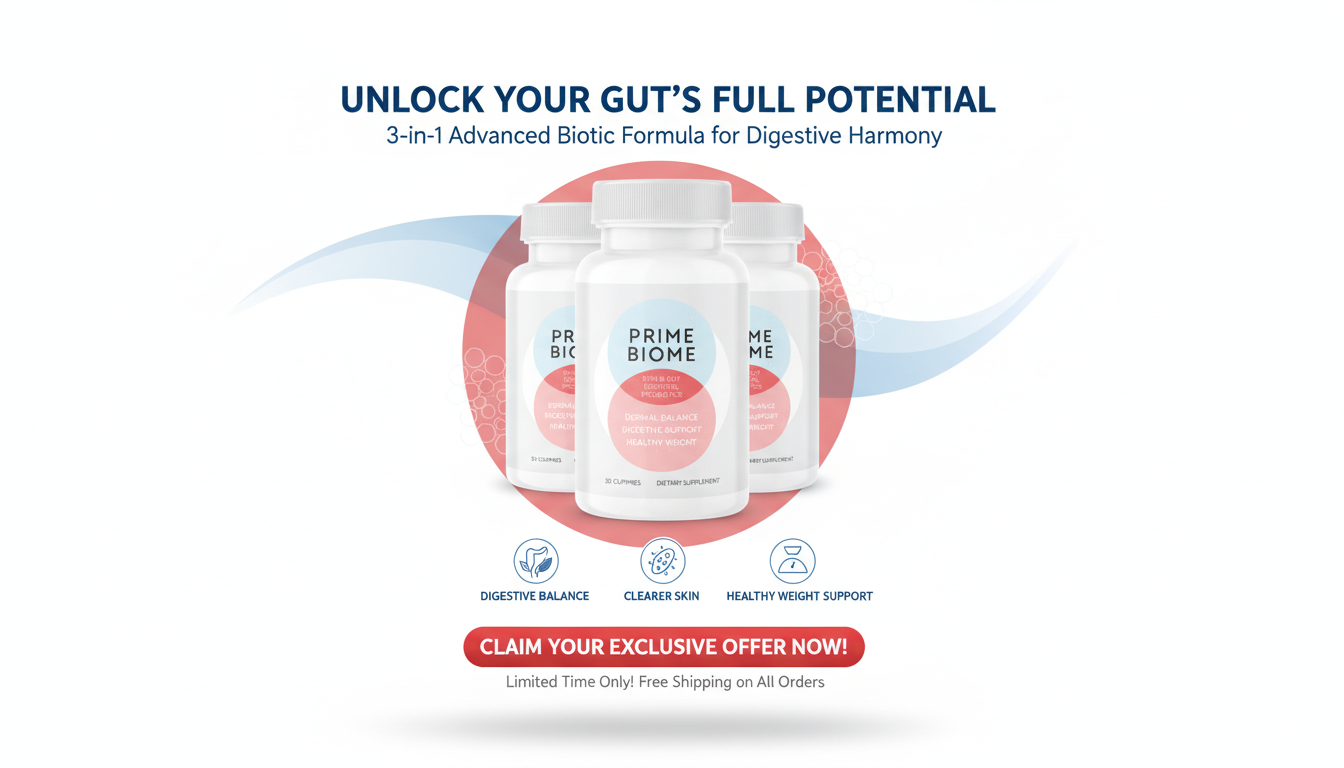
One such formula designed to address these complex needs is PrimeBiome. It’s formulated with specific “slimming” probiotic strains like Lactobacillus Gasseri and Lactobacillus Rhamnosus, which have been studied for their potential role in weight management. More importantly, its unique inclusion of postbiotics provides direct support to your gut lining and helps create an environment where beneficial bacteria can flourish, potentially helping to manage cravings, reduce bloating, and support a healthier metabolism.
Disclaimer: As with any supplement, it is crucial to consult with a healthcare professional before adding anything new to your routine, especially if you have pre-existing health conditions or are taking other medications.
Your Path Forward to a Balanced Body
Understanding the deep connection between gut health and weight loss is empowering. It shifts the focus from a punishing cycle of restriction and exhaustive exercise to a more holistic approach of nurturing your body from the inside out. By focusing on rebalancing your gut microbiome, you’re not just chasing a number on the scale; you’re addressing the root causes of weight gain, inflammation, and low energy.
Take this knowledge as a starting point. Begin incorporating more fiber-rich and fermented foods into your diet, prioritize sleep, manage stress, and consider a comprehensive gut health supplement to support your journey. Your body is a complex system, and by giving your gut the care it deserves, you provide the foundation for lasting health and wellness.
Frequently Asked Questions About Gut Health
How long does it take to improve gut health?
While some people may notice improvements in digestion within a few days, significant shifts in the microbiome composition can take several weeks to months of consistent effort through diet, lifestyle, and supplementation.
Can I improve my gut health without supplements?
Absolutely. A diet rich in diverse plant fibers, fermented foods, and lean proteins is the most important factor. However, supplements can provide a targeted and potent dose of beneficial microbes and compounds that may be difficult to obtain from diet alone.
Is bloating always a sign of bad gut health?
Occasional bloating is normal, but persistent, uncomfortable bloating is often a signal of an underlying imbalance in your gut, such as dysbiosis or food sensitivities. It’s a key indicator that your digestive system needs attention.