Understanding the Frustration of Sagging Skin
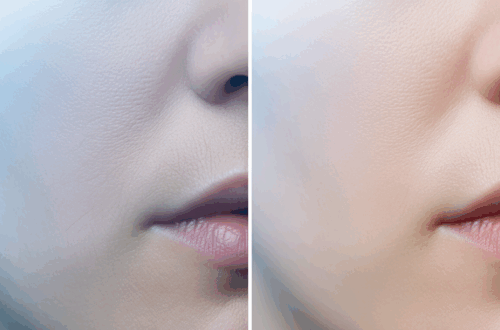
It often begins subtly. You might notice the skin under your chin feels less firm, or the texture on your neck and cheeks has changed. Over time, this loss of firmness can become more pronounced, leading to what is commonly known as sagging skin. This is a concern that sends many people searching for answers on how to tighten sagging skin, hoping to restore a more youthful and vibrant appearance. The truth is, this process is a complex biological reality, but understanding it is the first step toward effectively addressing it.
Skin sagging is a result of structural changes deep within the dermal layers. Two key proteins, collagen and elastin, form the scaffolding that keeps our skin firm, plump, and resilient. Collagen provides structure, while elastin allows the skin to stretch and snap back into place. As we age, the body’s production of these proteins slows down, and the existing fibers begin to degrade. This internal breakdown, combined with external factors like sun exposure and lifestyle habits, leads to a visible loss of elasticity and firmness.
The Cellular Engine: Why Mitochondria Are Key
To truly grasp why skin loses its taught appearance, we need to look even deeper—at the cellular level. Every cell in your body, including your skin cells, contains tiny powerhouses called mitochondria. Their job is to convert nutrients into cellular energy. This energy fuels everything a skin cell does, from repairing damage to producing new collagen.
As we get older, mitochondrial function can decline. These cellular engines become less efficient, producing less energy and more harmful free radicals. For your skin, this energy crisis means that cells can no longer keep up with repairs or maintain a robust collagen and elastin network. The result is a gradual “dermal collapse,” where the skin’s underlying support system weakens, leading directly to sagging, wrinkles, and a crepey texture. Therefore, any effective strategy for tightening sagging skin must also consider supporting the health and energy of your skin cells.
Can Lifestyle Choices Help Tighten Sagging Skin?
While we can’t stop time, certain lifestyle choices can either accelerate or slow down the factors that contribute to skin sagging. Building a routine that supports your skin from the inside out is a fundamental and empowering step.
Protect Against the Sun
Unprotected sun exposure is one of the primary drivers of premature aging, a process known as photoaging. UV rays penetrate the skin and actively break down collagen and elastin fibers. Daily use of a broad-spectrum sunscreen with an SPF of 30 or higher is non-negotiable if you are serious about maintaining skin firmness.
Nourish with an Antioxidant-Rich Diet
What you eat directly impacts your skin’s health. A diet rich in antioxidants—found in colorful fruits, vegetables, and nuts—helps neutralize free radicals that damage skin cells. Foods high in Vitamin C are particularly beneficial, as this vitamin is a crucial component for collagen synthesis.
Stay Hydrated
Dehydrated skin can often appear more saggy and crepey. Drinking an adequate amount of water throughout the day helps keep skin cells plump and functioning optimally. While it won’t reverse significant sagging, proper hydration improves overall skin texture and resilience.

Key Ingredients in Skincare for Skin Firmness
Beyond a healthy lifestyle, targeted topical treatments can provide essential support to aging skin. When looking for products aimed at improving firmness, certain ingredients have been scientifically recognized for their potential benefits.
Vitamin C
As mentioned, Vitamin C is essential for producing collagen. When applied topically, it not only supports collagen synthesis but also acts as a potent antioxidant, protecting the skin from environmental damage. However, Vitamin C is notoriously unstable and can lose its effectiveness when exposed to air and light. The most effective serums use advanced, stabilized forms to ensure the molecule can do its job.
Retinoids
Derived from Vitamin A, retinoids are renowned for their ability to accelerate skin cell turnover and stimulate collagen production. They can significantly improve skin texture and firmness over time, but they can also be irritating for some skin types and require careful introduction into a routine.
Peptides
Peptides are short chains of amino acids that act as building blocks for proteins like collagen and elastin. Certain peptides used in skincare can signal to your skin that it needs to ramp up its repair processes and build more of these essential structural proteins.
A Targeted Approach: The Concept of a Dermal Support Matrix
While individual ingredients are beneficial, a comprehensive formula that addresses the core issue of cellular energy can offer a more holistic solution. This is where the concept of a “dermal support matrix” comes into play. Instead of just treating the surface, this approach aims to provide the foundational support your skin cells need to function as they did when they were younger.
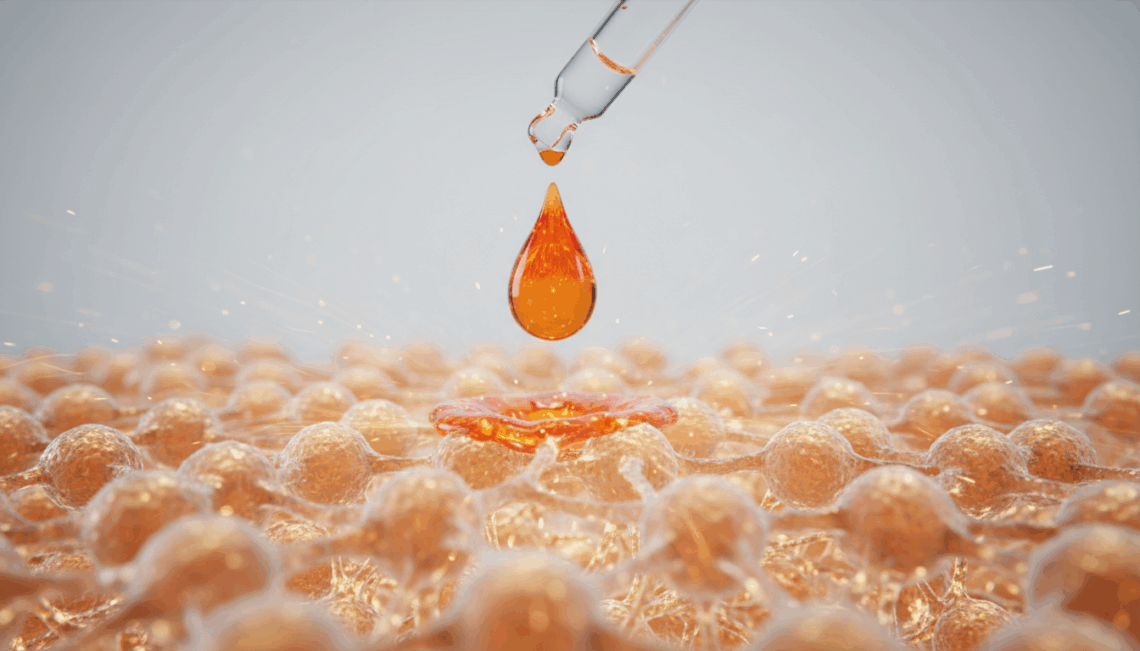
A serum designed with this philosophy in mind, such as Mitolyn, focuses on the root cause—declining mitochondrial function. By delivering a highly stable and potent form of Vitamin C (referred to as Mito-C) directly to the skin, it aims to support the cellular energy cycle. The goal is to help your skin cells regain the energy needed to repair themselves and rebuild the collagen network. This approach provides a powerful strategy on how to tighten sagging skin by working in harmony with your body’s natural processes, helping to restore firmness, reduce the appearance of wrinkles, and promote a smoother, more resilient complexion.
How to Incorporate a Firming Serum Into Your Routine
To get the most out of any powerful serum, it needs to be applied correctly and consistently. Follow these simple steps:
- Cleanse: Start with a clean face. Use a gentle cleanser to remove makeup, dirt, and impurities without stripping the skin.
- Tone (Optional): If you use a toner, apply it after cleansing to balance your skin’s pH.
- Apply the Serum: Dispense a small amount of the firming serum onto your fingertips. Gently pat or press it into the skin on your face, neck, and décolletage. Avoid rubbing, as this can pull at the skin.
- Moisturize: Once the serum has fully absorbed, apply your favorite moisturizer to lock in the active ingredients and provide hydration.
- Sunscreen (AM): In the morning, always finish your routine with a broad-spectrum sunscreen to protect your skin from UV damage.
Consistency is paramount. For the best results, use the serum twice daily, in the morning and evening.
Conclusion: A Proactive Stance on Skin Firmness
Addressing sagging skin is about more than just a surface-level fix. It requires a deep understanding of the internal processes that cause it, from the breakdown of collagen and elastin to the decline in cellular energy. By adopting a supportive lifestyle, protecting your skin from the sun, and incorporating a high-quality, targeted serum that supports your skin’s mitochondrial health, you can take meaningful steps toward a firmer, healthier, and more youthful-looking complexion. The journey to tighten sagging skin is a marathon, not a sprint, but with the right knowledge and tools, you can empower yourself to age gracefully and confidently.
Important Disclaimer
The information provided in this article is for educational purposes only and should not be considered medical advice. Individual results may vary. It is always recommended to consult with a dermatologist or qualified healthcare professional before starting any new skincare regimen, especially if you have sensitive skin or pre-existing medical conditions. The statements made regarding these products have not been evaluated by the Food and Drug Administration.