The Hidden Clues: Are You Missing the Signs of an Unhealthy Gut?
Do you ever feel like you’re doing everything right—eating relatively well, trying to get enough sleep—but still feel off? Persistent bloating, stubborn weight, skin breakouts, and a lingering sense of fatigue can be incredibly frustrating. If this sounds familiar, you might be overlooking the command center of your body’s wellness: your gut. Recognizing the early signs of an unhealthy gut is the first and most critical step toward reclaiming your energy and vitality.
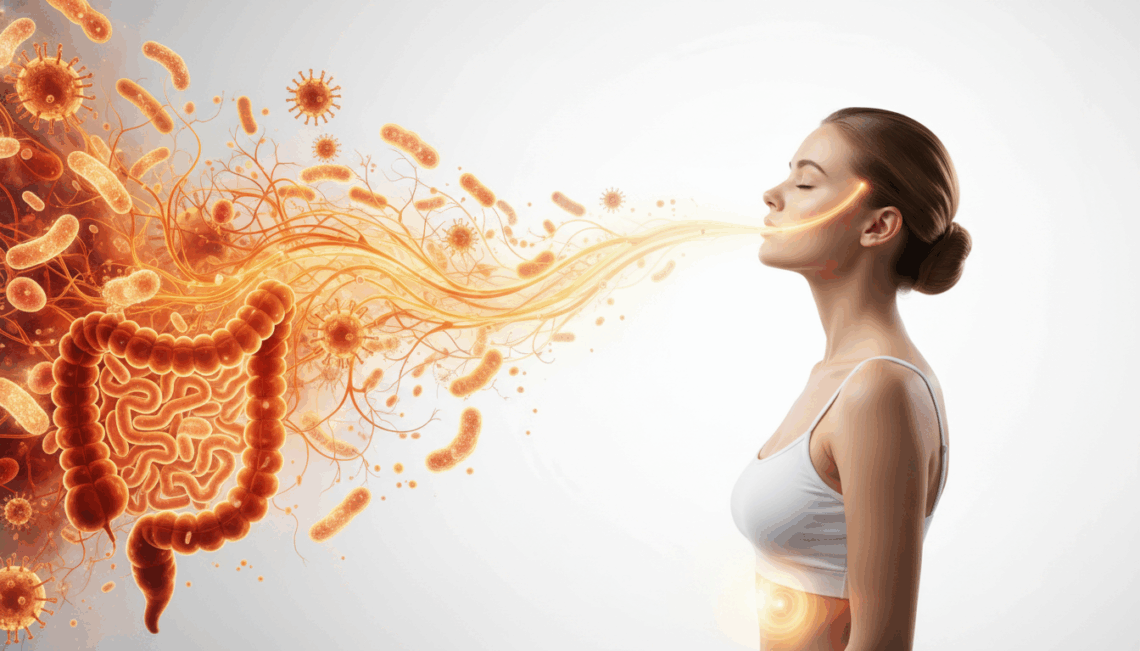
Your digestive system is more than just a plumbing system; it’s a complex ecosystem teeming with trillions of bacteria, known as the gut microbiome. When this ecosystem is in balance, it supports everything from your immune system and mood to your metabolism and skin clarity. But when it’s out of balance, it can send out subtle (and not-so-subtle) distress signals. This guide will walk you through the most common warning signs and what you can do to restore harmony.
Key Warning Signs Your Gut Is Crying for Help
Listening to your body is crucial. These common complaints are often dismissed as “normal,” but they can be direct indicators of an underlying imbalance in your gut.
1. Persistent Digestive Discomfort
This is the most obvious sign. If you frequently experience gas, bloating, constipation, diarrhea, or heartburn, your gut is likely struggling. A healthy gut processes food efficiently with minimal drama. Constant discomfort suggests that the bacteria in your gut are imbalanced, leading to poor digestion and fermentation that produces excess gas and irritation.
2. Unexplained Weight Changes
Struggling to lose weight despite diet and exercise, or gaining weight without a clear reason? Your gut could be the culprit. An imbalanced microbiome can disrupt your body’s ability to regulate blood sugar, store fat, and absorb nutrients. Furthermore, inflammation originating in the gut can interfere with metabolic hormones, making weight management feel like an uphill battle.
3. Constant Fatigue and Poor Sleep
If you feel drained all the time, even after a full night’s sleep, your gut might be to blame. A significant portion of serotonin, a hormone that affects mood and sleep, is produced in the gut. An unhealthy gut can impair serotonin production, leading to insomnia or poor-quality sleep. This creates a vicious cycle, as lack of sleep further harms your gut health.
4. Skin Irritation and Breakouts
Your skin is often a mirror of what’s happening inside your gut. Conditions like acne, eczema, rosacea, and psoriasis have been linked to a phenomenon known as “leaky gut.” When the gut lining is compromised, toxins and undigested food particles can escape into the bloodstream, triggering systemic inflammation that manifests on your skin.
5. Mood Swings, Anxiety, and Brain Fog
The gut-brain axis is a powerful connection. An unhealthy gut can contribute to mood disorders, anxiety, and difficulty concentrating. Inflammation and a lack of beneficial bacteria can disrupt the production of neurotransmitters, affecting your mental clarity and emotional stability. If you find yourself struggling with focus or persistent low moods, it’s worth considering your gut health.
What’s Behind an Unhealthy Gut?
Several factors in modern life can disrupt the delicate balance of your gut microbiome. A diet high in processed foods, sugar, and unhealthy fats feeds harmful bacteria, allowing them to overpower the beneficial ones. Chronic stress is another major contributor, as it can decrease blood flow to the gut and alter its bacterial composition. Other factors include the overuse of antibiotics, which wipe out good bacteria along with the bad, and a lack of quality sleep.

How to Begin Healing Your Gut
Restoring gut health is a journey, not a quick fix. However, by making consistent, positive changes, you can create an environment where beneficial bacteria can thrive. The focus should be on reducing inflammation and supporting the integrity of your gut lining.
1. Overhaul Your Diet
The single most powerful tool you have is your diet. Prioritize whole, unprocessed foods. Increase your intake of fiber from a wide variety of fruits, vegetables, and legumes. Fiber is a prebiotic, meaning it’s the food your good gut bacteria need to flourish. Fermented foods like yogurt, kefir, sauerkraut, and kimchi are excellent sources of probiotics—the good bacteria themselves.
2. Manage Your Stress
You cannot heal your gut without addressing chronic stress. Incorporate stress-reduction techniques into your daily routine. This could be meditation, deep breathing exercises, yoga, or simply spending time in nature. These practices help calm your nervous system, which has a direct and positive impact on your digestive health.
3. Prioritize Quality Sleep
Aim for 7-9 hours of quality, uninterrupted sleep per night. This is when your body, including your gut, performs essential repair and recovery processes. Establish a relaxing bedtime routine and create a dark, cool, and quiet sleep environment to improve your sleep hygiene.
The Next Level: Sealing the Gut with Postbiotics
While diet and lifestyle changes are fundamental, sometimes your gut needs more targeted support, especially if the gut lining has been compromised. This is where the science of postbiotics comes in. While probiotics are beneficial bacteria and prebiotics are their food, postbiotics are the beneficial compounds those bacteria produce.
These compounds, such as tributyrin, are incredibly effective at directly nourishing and repairing the cells of your gut wall, helping to “seal the leaks.” This approach can be a game-changer for those dealing with the stubborn signs of an unhealthy gut. For individuals looking for a powerful formula designed specifically for this purpose, a supplement like PrimeBiome offers a concentrated dose of these gut-sealing postbiotics. It works to fortify your intestinal barrier, which is the key to stopping inflammation at its source and truly resolving symptoms like bloating, skin issues, and fatigue.
Your Path to a Healthier, Happier You
Recognizing the signs of an unhealthy gut is your body’s way of asking for help. By tuning into these signals—from digestive woes to skin problems—you can begin a powerful journey of healing. Start by building a foundation with a whole-foods diet, stress management, and quality sleep. For those needing to accelerate the repair of their gut lining, incorporating an advanced postbiotic supplement can provide the targeted support necessary to restore balance and help you feel your best.
Important Disclaimer
The information provided in this article is for educational purposes only and is not intended as a substitute for professional medical advice, diagnosis, or treatment. Always seek the advice of your physician or other qualified health provider with any questions you may have regarding a medical condition. Never disregard professional medical advice or delay in seeking it because of something you have read here. Before starting any new supplement, it is essential to consult with a healthcare professional.