It’s a frustratingly common story: you’re diligently cutting calories, spending hours at the gym, and choosing salads over sweets, yet the numbers on the scale refuse to budge. Even worse, you might be dealing with persistent belly bloat, unpredictable digestion, and a general feeling of sluggishness. If this sounds familiar, you’re not alone, and you’re not failing. You may simply be overlooking a critical piece of the puzzle: the intricate connection between your gut health and unexplained weight gain.
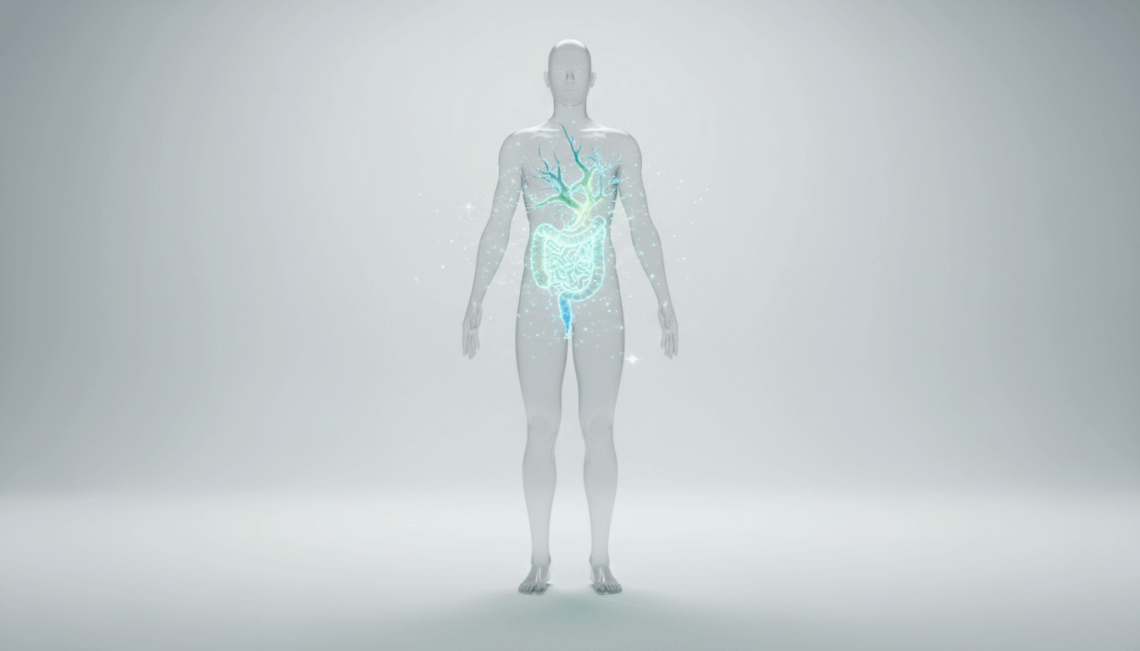
For decades, the weight loss formula has been presented as a simple matter of “calories in, calories out.” But emerging science is revealing a far more complex and fascinating reality. Deep within your digestive system resides a bustling ecosystem of trillions of bacteria, fungi, and other microbes known as the gut microbiome. This internal world doesn’t just digest your food; it influences everything from your mood and immune system to, crucially, your metabolism and body weight. When this delicate ecosystem is out of balance, it can silently sabotage even the most dedicated weight loss efforts.
This article will explore the “gut-weight axis”—the powerful communication highway between your digestive health and your body’s ability to manage weight effectively. We’ll uncover the science behind how an unhealthy gut can lead to stubborn fat, and most importantly, what you can do to restore balance and finally unlock the results you’ve been working so hard for.
What is the Gut Microbiome and Why Does It Matter?
Think of your gut microbiome as a complex, living organ. It’s composed of trillions of microorganisms that have a symbiotic relationship with your body. In a healthy state, the “good” bacteria flourish, helping you break down food, synthesize essential vitamins, and regulate inflammation. They are the gatekeepers of your digestive tract, ensuring nutrients are absorbed properly while preventing harmful substances from entering your bloodstream.
However, modern life can be tough on this microbial community. Factors like a diet high in processed foods and sugar, chronic stress, lack of sleep, and the overuse of antibiotics can disrupt this delicate balance. This disruption, known as dysbiosis, allows “bad” bacteria to proliferate, leading to a cascade of negative health effects.
The Leaky Gut Theory: A Hidden Cause of Weight Issues?
One of the most significant consequences of gut dysbiosis is a condition researchers are increasingly linking to metabolic problems: intestinal permeability, commonly known as “leaky gut.” The lining of your intestines is designed to be a strong barrier, selectively allowing water and nutrients to pass into your bloodstream while blocking toxins, undigested food particles, and harmful microbes.
When the microbiome is unhealthy, it can trigger inflammation that damages this intestinal wall, creating microscopic gaps. This “leakiness” allows harmful substances to enter the bloodstream, triggering a body-wide immune response. This chronic, low-grade inflammation is a major driver of insulin resistance—a condition where your cells stop responding properly to insulin, forcing your body to store glucose as fat, particularly around the abdomen. This creates a vicious cycle of inflammation and weight gain that is incredibly difficult to break with diet and exercise alone.
Signs Your Gut Health Might Be Affecting Your Weight
The connection between your gut and your weight isn’t always obvious. However, your body often sends subtle signals that your microbiome is struggling. Recognizing these signs is the first step toward addressing the root cause of your weight management challenges.
- Constant Bloating and Gas: While some gas is normal, persistent and uncomfortable bloating after meals can be a sign of fermentation by unhealthy gut bacteria.
- Intense Sugar Cravings: Unhealthy microbes, like yeast, thrive on sugar. They can hijack your brain’s signaling pathways, causing intense cravings for the very foods that fuel their growth.
- Unpredictable Bowel Habits: Experiencing frequent constipation, diarrhea, or alternating between the two can indicate an imbalanced gut ecosystem.
- Chronic Fatigue: An unhealthy gut struggles to produce and absorb essential nutrients and vitamins, like B vitamins, which are crucial for energy production.
- Skin Issues: Conditions like acne, eczema, or rosacea are often linked to gut inflammation spilling over and manifesting in the skin.

How to Improve Gut Health for Sustainable Weight Management
The good news is that your microbiome is incredibly resilient and can be positively influenced by your lifestyle choices. Restoring gut health isn’t about a quick fix; it’s about creating a sustainable environment where beneficial bacteria can thrive. The focus should be on nourishing your gut from the inside out.
Prioritize Fiber-Rich Foods
Fiber is the primary food source for your beneficial gut bacteria. When they feast on fiber, they produce short-chain fatty acids (SCFAs) like butyrate, which strengthens the gut lining, reduces inflammation, and improves insulin sensitivity. Aim to incorporate a wide variety of plant-based foods into your diet, including vegetables, fruits, legumes, nuts, seeds, and whole grains.
Incorporate Fermented Foods
Fermented foods are natural sources of probiotics—the live beneficial bacteria themselves. Including items like yogurt (with live cultures), kefir, sauerkraut, kimchi, and kombucha can help replenish and diversify your gut microbiome.
Reduce Sugar and Processed Foods
A diet high in refined sugars and artificial ingredients feeds the “bad” bacteria, promoting dysbiosis and inflammation. By cutting back on these items, you essentially starve the microbes that are working against your health goals and create space for beneficial ones to flourish.
Manage Your Stress Levels
The gut and brain are directly connected through the gut-brain axis. Chronic stress can negatively impact gut motility, increase inflammation, and disrupt the microbial balance. Incorporating stress-management techniques like meditation, deep breathing, yoga, or spending time in nature can have a profound positive effect on your digestive health.
The Role of Probiotics in Restoring Gut Balance
While lifestyle changes are the foundation of good gut health, sometimes your system needs extra support to regain balance, especially after years of disruption. This is where a targeted probiotic supplement can play a crucial role. Probiotics deliver specific strains of beneficial bacteria directly to your gut, helping to repopulate your microbiome, crowd out harmful microbes, and support the integrity of your intestinal lining.
However, not all probiotics are created equal. The effectiveness of a supplement depends on the specific strains used, the dosage, and the delivery mechanism that ensures the bacteria survive stomach acid to reach your intestines.
Introducing a Targeted Approach to Gut Health
When addressing complex issues like the link between gut health and unexplained weight gain, a generic probiotic might not be enough. The key is to use specific, clinically researched bacterial strains that have been shown to support metabolic health and gut barrier function.
For this reason, a carefully formulated supplement like PrimeBiome can be a valuable tool. It’s designed specifically to address the gut imbalances that can contribute to stubborn weight. It contains a synergistic blend of six targeted probiotic strains, including Lactobacillus Gasseri and Bifidobacterium Lactis, which have been studied for their potential to support fat reduction and metabolic health. By combining these powerful probiotics with prebiotics (the fiber that feeds them), it provides a comprehensive approach to rebalancing the gut ecosystem from the ground up.
Beyond the Scale: Other Benefits of a Healthy Gut
Focusing on your gut health does more than just support your weight management goals. The positive effects will ripple throughout your entire body, leading to a profound improvement in your overall well-being. A balanced microbiome is linked to:
- Improved Mood and Mental Clarity: A significant portion of your body’s serotonin, the “feel-good” neurotransmitter, is produced in the gut.
- A Stronger Immune System: Approximately 70% of your immune system resides in your gut. A healthy microbiome helps regulate immune responses.
- Better Digestion and Nutrient Absorption: A balanced gut efficiently breaks down food and absorbs more nutrients, leading to higher energy levels.
- Clearer, Healthier Skin: By reducing systemic inflammation, a healthy gut can lead to a calmer, more radiant complexion.
Ultimately, addressing your gut health is about shifting the focus from simply losing weight to building a foundation of true, sustainable wellness. When you heal your gut, you’re not just fixing a single problem; you’re investing in your long-term health and vitality. It’s a holistic approach that honors the complexity of the human body and offers a path to finally feeling your best, both inside and out. Remember to always consult with a healthcare professional before adding any new supplement to your routine to ensure it’s the right choice for your individual needs.
Frequently Asked Questions (FAQ) about Gut Health and Weight
Can gut issues really stop me from losing weight?
Yes, research strongly suggests they can. An imbalanced gut microbiome can lead to chronic inflammation, insulin resistance, and increased fat storage, all of which make weight loss incredibly difficult, even with a healthy diet and regular exercise.
How long does it take to improve gut health?
There is no one-size-fits-all answer, as it depends on your individual health and the consistency of your efforts. Some people may notice improvements in digestion and energy within a few weeks of making dietary changes and starting a quality probiotic. More significant changes, like weight loss, may take a few months as your body rebalances.
Is a probiotic supplement necessary, or is diet enough?
A whole-foods, high-fiber diet is the most critical factor for long-term gut health. However, a targeted probiotic supplement can provide a significant boost, especially in the beginning, by delivering a concentrated dose of specific beneficial strains that may be lacking in your system.
Will taking probiotics make me lose weight without changing my diet?
Probiotics are not a magic weight loss pill. They work best as part of a holistic approach. Their primary function is to help create a healthy internal environment that makes your body more responsive to a healthy diet and exercise. Combining a quality probiotic with positive lifestyle changes will yield the best results.