Understanding and Addressing the Root Causes of Crepey Skin
It often starts subtly. You might notice the skin on your arms, neck, or under your eyes looks thinner than it used to. It has a delicate, almost paper-like texture with a fine network of wrinkles, much like crepe paper. This is known as crepey skin, and it’s a common concern that goes beyond typical fine lines. If you’re looking for answers on how to fix crepey skin, you’re not alone. This condition can be frustrating because it often doesn’t respond to standard moisturizers, leaving you searching for a more effective solution.
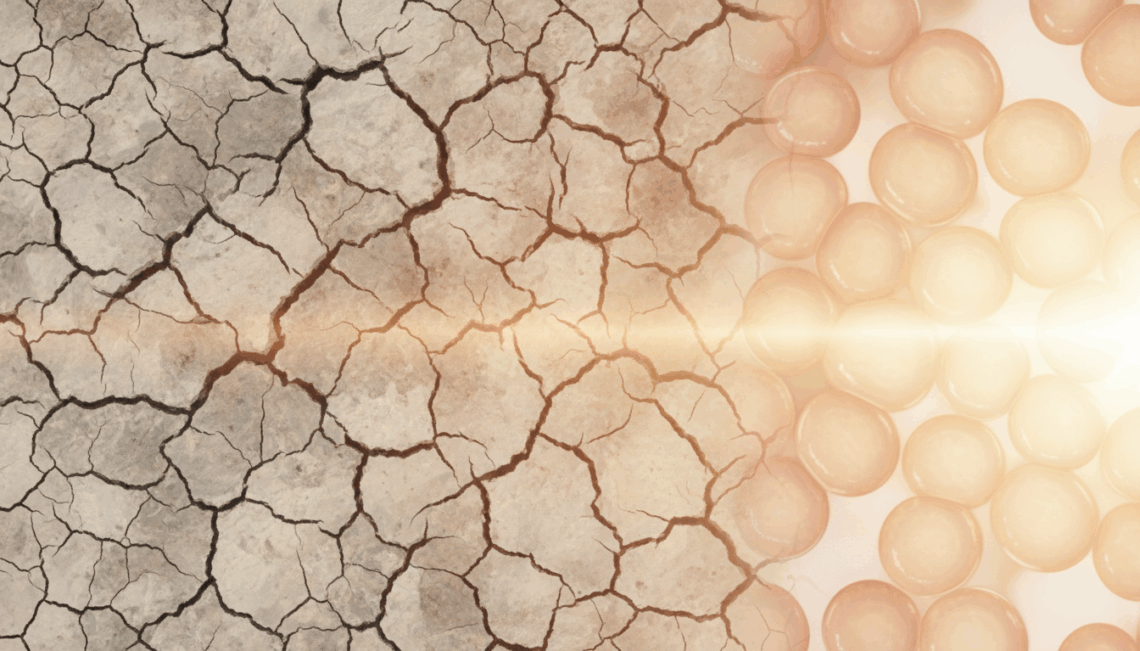
Unlike regular wrinkles, which are often caused by muscle movement, crepey skin is a sign of a deeper issue: a breakdown in your skin’s foundational structure. It speaks to a loss of elasticity and collagen, the very proteins that keep your skin firm, plump, and resilient. In this guide, we will explore the root causes of crepey skin and discuss a comprehensive approach to restoring its firmness and vitality.
What Are the Primary Causes of Crepey Skin?
To effectively address crepey skin, it’s crucial to understand why it happens. The causes are often multifaceted, involving a combination of environmental factors and the natural aging process. Identifying these triggers is the first step toward building an effective skincare strategy.
Sun Damage: The Number One Culprit
If there is one primary adversary in the fight against crepey skin, it is unprotected sun exposure. Over time, the sun’s ultraviolet (UV) rays penetrate deep into the skin and break down collagen and elastin fibers. These proteins are the scaffolding that keeps your skin smooth and tight. As they degrade, the skin loses its ability to bounce back, leading to the thin, saggy texture characteristic of crepey skin. This is why you often see it on areas most exposed to the sun, like the face, neck, chest, and arms.
The Natural Aging Process and Collagen Loss
Aging is an inevitable part of life, and with it come changes to our skin. After the age of 20, our bodies produce about 1% less collagen each year. This gradual decline accelerates during menopause. As collagen levels drop, the skin’s supportive structure weakens, becoming thinner and less elastic. This intrinsic aging process is a significant contributor to the development of crepey skin, making a targeted approach essential.
Dehydration and a Compromised Skin Barrier
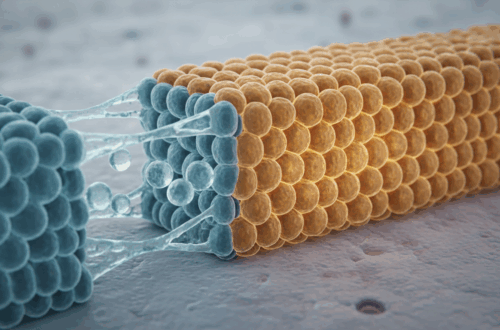
Your skin’s outermost layer, the moisture barrier, is responsible for locking in hydration and keeping out irritants. When this barrier is compromised, moisture escapes, leaving the skin dehydrated. Dehydrated skin lacks the plumpness and resilience of well-hydrated skin, which can significantly exaggerate the appearance of fine lines and a crepey texture. Factors like harsh cleansers, dry climates, and insufficient water intake can all weaken this vital barrier.
Other Factors: Weight Fluctuation and Lifestyle
Significant or rapid weight loss can also contribute to crepey skin. When you lose a large amount of weight, the skin that was once stretched may not have enough elasticity to shrink back, resulting in a saggy, thin appearance. Additionally, lifestyle habits like smoking, a poor diet low in antioxidants, and lack of sleep can all accelerate skin aging by promoting inflammation and oxidative stress, further damaging collagen and elastin.

How to Fix Crepey Skin: A Comprehensive Approach
Now that we understand the causes, let’s focus on the solution. Tackling crepey skin requires a multi-pronged strategy that goes beyond simple surface hydration. It involves protecting the skin from further damage, providing it with the right nutrients, and using targeted treatments to help rebuild its structure.
A Deeper Solution: Targeting Dermal Structure with Polyphenols
While basic hydration is important, addressing the structural breakdown that causes crepey skin often requires more advanced ingredients. This is where powerful plant-based compounds like polyphenols come in. Polyphenols are potent antioxidants found in plants, known for their ability to neutralize free radicals and protect cells from damage.
Some of the most exciting research in skincare focuses on how specific polyphenols can support the skin’s dermal matrix. Products formulated with these targeted ingredients aim to do more than just moisturize; they work to address the underlying cause of thinning, fragile skin. One such product leading this innovative approach is Mitolyn. It is a specialized serum designed around the concept of “dermal collapse,” the very issue at the heart of crepey skin. By using a concentrated blend of potent polyphenols, Mitolyn aims to provide the skin with the specific support it needs to look firmer, tighter, and more resilient. It represents a shift from temporary fixes to a strategy focused on long-term structural support.
Build a Complete Skincare Routine for Crepey Skin
Incorporating a powerful serum is key, but it works best as part of a consistent, supportive routine.
1. Gentle Cleansing: Start with a mild, hydrating cleanser that doesn’t strip your skin of its natural oils. Harsher soaps can damage the moisture barrier, making dehydration and crepey texture worse.
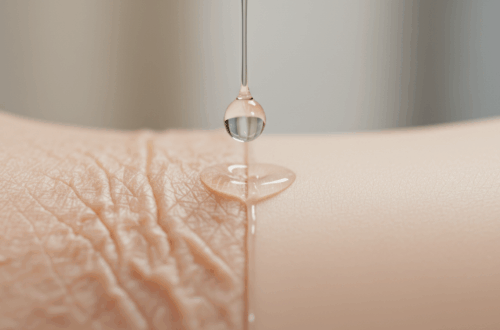
2. Apply a Targeted Serum: After cleansing, on damp skin, apply a serum specifically designed for firming and elasticity. This is the ideal step to use a polyphenol-rich formula like Mitolyn, as it allows the active ingredients to penetrate deeply and effectively.
3. Seal with a Protective Moisturizer: Follow up with a rich moisturizer containing ingredients like hyaluronic acid, ceramides, and peptides. This will help lock in the serum, hydrate the skin surface, and support your skin’s moisture barrier.
4. Sunscreen is Non-Negotiable: Every single morning, finish your routine with a broad-spectrum sunscreen with an SPF of 30 or higher. This is the most critical step to prevent further breakdown of collagen and elastin. Without it, any other treatment will be fighting an uphill battle.
Lifestyle Habits That Support Firmer Skin
What you do internally has a major impact externally. Supporting your skincare routine with healthy habits can dramatically improve your results.
Nutrition and Hydration from Within: Drink plenty of water throughout the day to keep your skin hydrated from the inside out. Incorporate a diet rich in antioxidants—think colorful fruits and vegetables, nuts, and green tea. These foods help your body fight off the free radical damage that contributes to aging.
The Importance of Gentle Exercise: Regular physical activity boosts circulation, which helps deliver oxygen and vital nutrients to your skin cells. This improved blood flow promotes collagen production and helps maintain skin health and vitality.
Conclusion: Taking Control of Your Skin’s Health
Learning how to fix crepey skin is about understanding that it’s a structural issue, not just a surface-level problem. It’s caused by a combination of sun damage, aging, and dehydration that leads to a breakdown of your skin’s essential support system. While you can’t turn back the clock, you can take powerful steps to restore its firmness and prevent further damage.
A consistent routine focused on sun protection, deep hydration, and targeted treatments with potent ingredients like polyphenols can make a significant difference. By nourishing your skin from both the inside and the outside, you can regain a smoother, firmer, and more resilient complexion you feel confident in.
Frequently Asked Questions (FAQ)
Can you completely reverse crepey skin?
While it may not be possible to completely reverse crepey skin, especially in severe cases, you can significantly improve its appearance. A consistent and targeted skincare routine, combined with sun protection, can help restore firmness, improve texture, and make the skin look much smoother and healthier. It’s about improvement and management, not a magic cure.
How long does it take to see results?
Patience is key. With any skincare routine targeting structural changes, results take time. You may start to notice improvements in hydration and texture within a few weeks, but more significant changes in firmness and elasticity can take 2-3 months of consistent daily use. The skin needs time to rebuild its collagen and elastin fibers.
Is this condition only for older people?
While crepey skin is more common as we age due to natural collagen loss, it can appear at any age, especially in individuals with significant sun damage or those who have experienced rapid weight loss. Prevention, particularly diligent sunscreen use, is the best strategy at any age.
Disclaimer: This article is for informational purposes only and does not constitute medical advice. The information contained herein is not intended to diagnose, treat, cure, or prevent any disease. Please consult with a qualified healthcare professional or dermatologist before making any decisions about your health or skincare routine.