
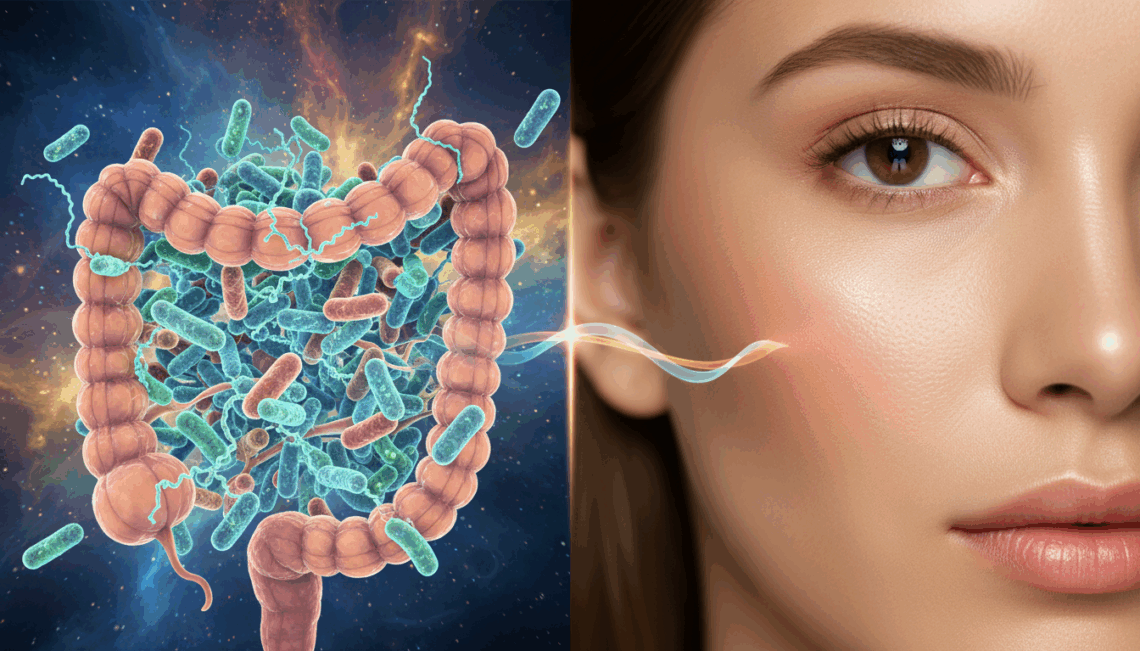
You’ve tried every cream, serum, and facial on the market. You follow a strict skincare regimen, avoid touching your face, and change your pillowcase regularly. Yet, the acne, eczema, rosacea, or premature signs of aging persist. It’s a frustrating cycle that can leave you feeling hopeless, wondering what you’re doing wrong. But what if the root of the problem isn’t on your skin at all? What if it’s starting deep within your body? For millions of people, the hidden culprit behind their persistent skin issues is the gut. In this guide, we’ll explore the powerful connection between your digestive system and your skin’s health, focusing specifically on how to solve leaky gut skin problems for good.
What Is the Gut-Skin Axis?
The gut-skin axis is a term scientists use to describe the proven, bidirectional relationship between our gut health and our skin health. Think of it as a constant conversation happening between the trillions of microbes living in your digestive tract (your gut microbiome) and your body’s largest organ, your skin. When your gut is healthy and balanced, this communication helps maintain skin moisture, elasticity, and a strong protective barrier. However, when the gut is in distress, it sends out inflammatory signals that can wreak havoc on your complexion, leading to the very issues you’re fighting so hard to treat topically.
Defining “Leaky Gut”: The Root of the Problem
At the center of many of these issues is a condition known as intestinal permeability, or “leaky gut.” Your intestinal lining is a remarkable barrier, made up of a single layer of cells stitched together by tight junctions. Its job is to allow vital nutrients to pass into your bloodstream while blocking harmful substances like toxins, pathogens, and undigested food particles. In a leaky gut, these tight junctions become loose or damaged. This allows those harmful substances to “leak” from your intestines directly into your bloodstream, where they don’t belong. When your immune system detects these foreign invaders, it launches a massive inflammatory response. This chronic, low-grade inflammation becomes systemic, traveling throughout your body and eventually erupting on your skin’s surface.
The Telltale Signs: How Leaky Gut Skin Problems Appear
This systemic inflammation can manifest in several ways, often appearing as stubborn skin conditions that seem resistant to conventional treatments. Understanding this connection is the first step to finding a real solution.
Chronic Acne and Breakouts
Inflammation is a key driver of acne. The inflammatory signals originating from a leaky gut can increase sebum (oil) production and promote the overgrowth of acne-causing bacteria on the skin, leading to persistent pimples, cysts, and blackheads, especially in adults.
Eczema and Psoriasis
These are autoimmune conditions directly linked to immune system dysregulation. Leaky gut is a major trigger for this, as the constant stream of toxins into the bloodstream keeps the immune system in a state of high alert, causing it to mistakenly attack healthy skin cells and create the painful, itchy, and inflamed patches characteristic of eczema and psoriasis.
Rosacea and Redness
Rosacea is a chronic inflammatory skin condition. Research strongly suggests a link between gut issues, particularly an imbalance in the gut microbiome (dysbiosis) and Small Intestinal Bacterial Overgrowth (SIBO), and the flushing, redness, and bumps associated with rosacea.
Premature Aging
Chronic inflammation accelerates the aging process by breaking down collagen and elastin—the proteins that keep your skin firm and youthful. This can lead to the premature appearance of fine lines, wrinkles, and a dull, lackluster complexion.
Your Action Plan: Healing the Gut for Healthier Skin
Healing your skin from the inside out requires a holistic approach focused on restoring the integrity of your gut lining and rebalancing your microbiome. While this journey is unique to each individual, there are fundamental pillars that can support gut health. It’s always wise to consult with a healthcare professional or a registered dietitian before making significant changes to your diet or lifestyle.
Start with an Anti-Inflammatory Diet
The food you eat is the most powerful tool for managing gut health. Focus on a whole-foods diet rich in anti-inflammatory compounds.
- Incorporate More Fiber: Soluble and insoluble fiber from fruits, vegetables, and legumes feeds the beneficial bacteria in your gut.
- Eat Probiotic-Rich Foods: Fermented foods like yogurt (unsweetened), kefir, kimchi, and sauerkraut introduce beneficial bacteria to your system.
- Focus on Healthy Fats: Omega-3 fatty acids found in fatty fish (like salmon), walnuts, and flaxseeds are powerfully anti-inflammatory.
- Limit Inflammatory Triggers: Processed foods, refined sugars, excessive alcohol, and artificial sweeteners can all damage the gut lining and should be minimized.
Manage Stress to Soothe Your Gut
Your brain and gut are directly connected via the vagus nerve. When you’re stressed, your body releases cortisol, a hormone that can weaken the intestinal barrier and contribute to a leaky gut. Incorporating stress-management techniques into your daily routine is non-negotiable for gut health.
- Mindfulness and Meditation: Even 10 minutes a day can lower cortisol levels.
- Gentle Exercise: Activities like yoga, walking, and tai chi can reduce stress and improve digestion.
- Deep Breathing: Practicing slow, diaphragmatic breathing can activate the parasympathetic nervous system, promoting a “rest and digest” state.
Prioritize Restorative Sleep
Sleep is when your body performs its most critical repair work, including healing the gut lining. A lack of quality sleep can increase inflammation and negatively impact your gut microbiome. Aim for 7-9 hours of quality, uninterrupted sleep per night. Create a relaxing bedtime routine and optimize your sleep environment by making it dark, quiet, and cool.
A Targeted Boost: The Role of Smart Supplementation
While lifestyle and diet are the foundation of healing leaky gut skin problems, sometimes your body needs extra support. The modern diet can be depleted of key nutrients, and the process of repairing a damaged gut lining can be accelerated with targeted ingredients. This is where a well-formulated supplement can play a crucial role.
A comprehensive gut-healing formula often includes specific components designed to work synergistically. For example, probiotics are essential for repopulating the gut with beneficial bacteria. However, to truly heal a leaky gut, you also need ingredients that directly repair the intestinal wall. L-Glutamine is a key amino acid that serves as the primary fuel source for cells in the gut lining, helping to restore those crucial tight junctions.
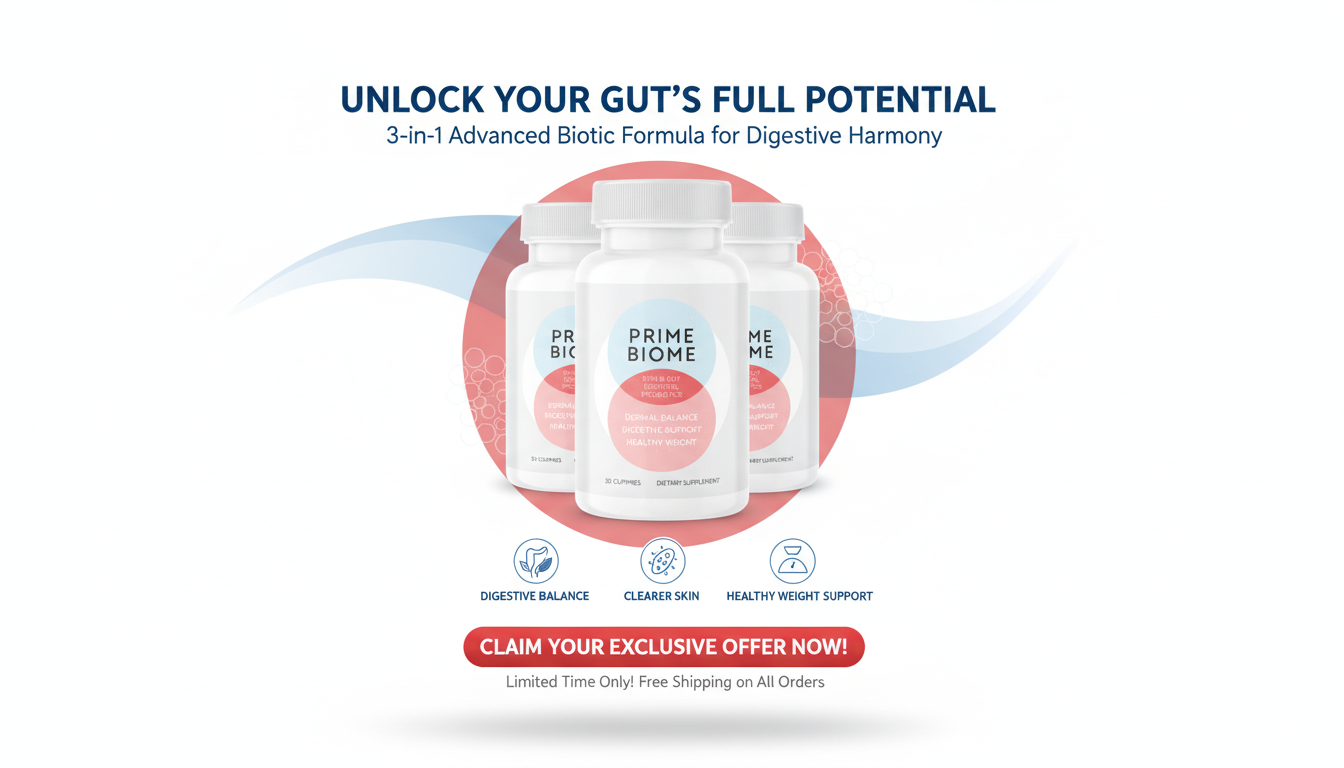
This is the approach taken by formulas like PrimeBiome, which was specifically designed to address the gut-skin axis. It combines a powerful blend of gut-repairing ingredients, including L-Glutamine, with specific probiotic strains known to reduce inflammation, and soothing herbs like Slippery Elm Bark and Marshmallow Root. This multi-faceted approach doesn’t just add good bacteria; it actively works to rebuild the gut’s protective barrier, which is the key to stopping the inflammatory cycle at its source and achieving lasting skin clarity.
Conclusion: Your Journey to Clear Skin Starts Within
If you’ve been battling persistent skin issues with no end in sight, it’s time to look deeper. The health of your skin is a direct reflection of the health of your gut. By understanding and addressing the root cause—systemic inflammation often stemming from a leaky gut—you can finally break free from the frustrating cycle of topical treatments that only manage symptoms. Focusing on healing your intestinal lining through a nutrient-dense diet, stress management, and targeted supplementation provides a powerful, inside-out strategy for achieving the clear, radiant skin you deserve. Remember to be patient with your body and consider speaking with a healthcare provider to guide you on your journey to better health.