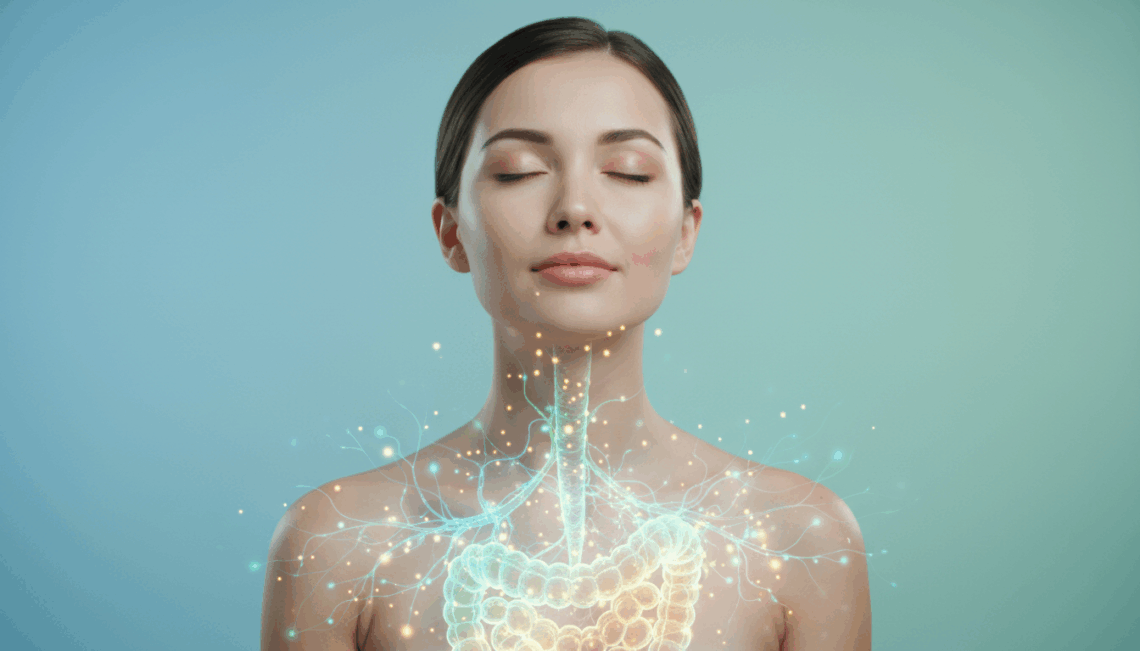
If you’ve tried every cream, serum, and topical treatment available with little to no improvement in your skin, you’re not alone. It’s a frustrating cycle of hope and disappointment. But what if the root of your skin concerns isn’t on the surface? What if it starts deep within your body? This is where understanding the gut health and skin connection becomes a game-changer, a concept experts call the “gut-skin axis.”
What Exactly Is the Gut-Skin Axis?
The gut-skin axis refers to the intimate, two-way communication pathway between your digestive system and your skin. Think of your gut as a bustling metropolis filled with trillions of microorganisms, collectively known as your gut microbiome. When this internal ecosystem is balanced and healthy, it positively influences everything from your mood to your immune system—and yes, your skin.
A healthy gut lining acts as a barrier, carefully controlling what gets absorbed into your bloodstream. When this barrier is strong, nutrients get in, and toxins, undigested food particles, and harmful bacteria stay out. However, when the gut microbiome is out of balance (a state called dysbiosis) or the gut lining is compromised, it can trigger inflammation throughout the body, which often manifests visually on your largest organ: your skin.
Signs Your Gut Health Is Affecting Your Skin
Persistent skin issues are often external signals of internal imbalance. The gut health and skin connection is particularly evident in several common inflammatory skin conditions:
- Acne: Studies have shown a strong link between gut inflammation and acne. An unhealthy gut can lead to systemic inflammation and hormonal dysregulation, both of which are major drivers of breakouts.
- Eczema (Atopic Dermatitis): Eczema is closely tied to the immune system. Since a significant portion of your immune system resides in the gut, an imbalance here can lead to the overactive immune responses that cause red, itchy, and inflamed skin.
- Rosacea: This condition, characterized by facial redness and flushing, is often linked to an overgrowth of bacteria in the small intestine (SIBO) and a compromised gut barrier.
- Premature Aging: Chronic gut inflammation can accelerate the aging process by producing free radicals that damage skin cells, leading to a breakdown of collagen and the formation of fine lines and wrinkles.
Understanding ‘Leaky Gut’ and Its Impact on Skin
One of the most significant factors in the gut-skin axis is a condition known as increased intestinal permeability, or “leaky gut.” As mentioned, your gut lining is supposed to be a tight barrier. In a leaky gut scenario, the junctions between the cells lining your intestines loosen.
This allows unwanted substances to “leak” into your bloodstream, triggering a response from your immune system. This immune response creates systemic inflammation. Your body, in an attempt to expel these inflammatory compounds, can push them out through the skin, resulting in the conditions we’ve discussed. Addressing this underlying gut permeability is therefore fundamental to achieving long-term skin health.
How to Improve the Gut Health and Skin Connection Naturally
Restoring balance to your gut requires a holistic approach. While targeted supplements can be incredibly helpful, building a foundation of healthy habits is non-negotiable for lasting results.
Focus on a Gut-Friendly Diet
What you eat directly feeds your microbiome. To support a healthy gut, focus on incorporating a variety of whole foods rich in fiber and nutrients. Include probiotic-rich foods like yogurt, kefir, and kimchi to introduce beneficial bacteria, and prebiotic foods like garlic, onions, and bananas to feed them. At the same time, try to limit processed foods, refined sugars, and excessive alcohol, which can fuel inflammation.
Manage Your Stress Levels
The gut is often called the “second brain” for a reason. Stress has a direct and rapid impact on your gut health, increasing inflammation and negatively affecting your microbiome. Incorporating stress-management techniques like mindfulness, meditation, deep breathing exercises, or gentle yoga can have a profound effect on both your gut and your skin.
Prioritize Quality Sleep
Sleep is when your body undergoes critical repair processes, including in your gut. A lack of quality sleep can disrupt your microbiome and weaken your gut barrier. Aim for 7-9 hours of consistent, restful sleep per night to give your body the time it needs to heal and maintain balance.
The Role of Targeted Supplements for Gut and Skin Health
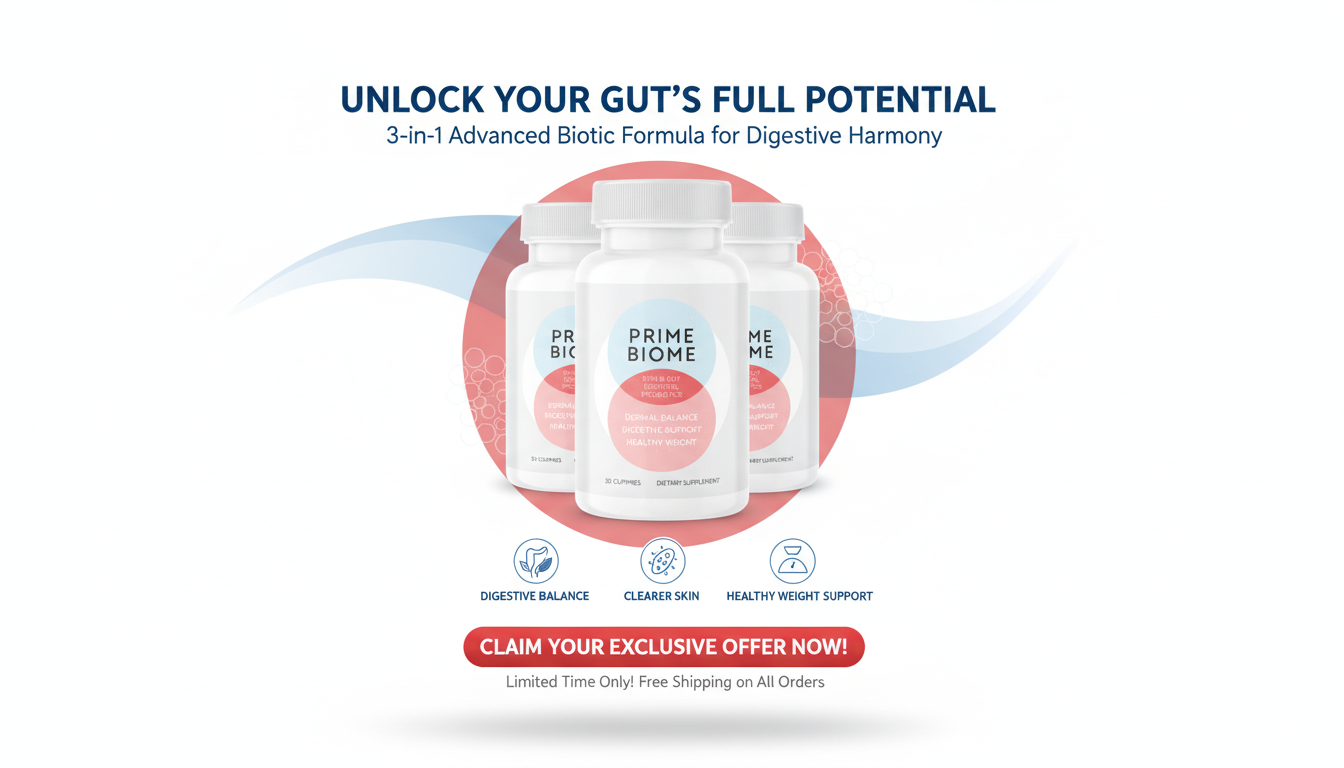
While lifestyle changes are crucial, sometimes your gut needs more direct support to repair and rebalance, especially if you’re dealing with a compromised gut lining. This is where a well-formulated supplement can make a significant difference in strengthening the gut health and skin connection.
A comprehensive formula should go beyond just probiotics. It needs to provide the building blocks to repair the gut wall itself. For instance, PrimeBiome is designed specifically to address the gut-skin axis. It contains key ingredients like L-Glutamine, which is an amino acid that serves as a primary fuel source for the cells of the intestinal lining, helping to repair and tighten those junctions in a “leaky gut.”
Furthermore, it includes soothing herbs like Marshmallow Root and Slippery Elm Bark, known for their ability to calm irritation in the digestive tract. By combining these restorative components with beneficial postbiotics, it offers a multi-faceted approach: it helps repair the gut barrier, soothes existing irritation, and supports a balanced microbiome. This comprehensive action helps reduce the systemic inflammation that ultimately drives skin problems, addressing the issue at its source rather than just masking the symptoms.
In conclusion, the path to clear, radiant skin may not be found in your medicine cabinet but rather in your kitchen and your daily habits. By recognizing and nurturing the powerful gut-skin axis, you can address the root cause of your skin concerns. A holistic approach that includes a nutrient-dense diet, stress management, and targeted nutritional support can rebalance your internal ecosystem and, in turn, transform the health and appearance of your skin. True radiance, after all, starts from within.
Frequently Asked Questions (FAQ)
How long does it take to see skin improvements after focusing on gut health?
Results can vary widely depending on the individual and the severity of the imbalance. Some people may notice initial improvements in digestion and skin within a few weeks, while for others, it may take 2-3 months of consistent effort to see significant changes. Patience and consistency are key.
Can I improve my skin without taking supplements?
Absolutely. A healthy diet and lifestyle are the most critical factors, and many people can achieve great results through these changes alone. Supplements are best viewed as a tool to accelerate and support the healing process, especially when dealing with significant gut barrier damage.
Is the gut-skin axis relevant for all skin types?
Yes. While it’s most noticeably linked to inflammatory conditions like acne and eczema, a healthy gut contributes to better hydration, nutrient absorption, and overall skin resilience for everyone, regardless of their specific skin type.
Disclaimer: The information in this article is for educational purposes only and is not intended as medical advice. Always consult with a qualified healthcare professional before starting any new supplement or making significant changes to your diet or lifestyle.