Understanding the Epicenter of Your Well-being
In the hustle of modern life, we often overlook the subtle whispers of our body. We dismiss bloating as a normal reaction to a heavy meal, fatigue as a consequence of a busy week, and skin blemishes as a simple annoyance. However, these seemingly minor issues can be significant signs of an unhealthy gut, pointing to a deeper imbalance within our system. Your digestive tract is more than just a food processing plant; it’s a complex ecosystem, home to trillions of microorganisms that influence everything from your mood to your immune system.
Recognizing the warning signs of an unhealthy gut is the first and most crucial step toward reclaiming your vitality. When your gut microbiome is out of sync, it can trigger a cascade of issues that affect your entire body. This guide will walk you through the key symptoms to watch for, helping you understand what your body is trying to tell you and what you can do about it.
Why Gut Health is the Foundation of Overall Wellness
Think of your gut as the central command center for your health. A healthy gut lining allows for the absorption of nutrients, water, and minerals while preventing toxins, pathogens, and undigested food particles from entering your bloodstream. This intricate barrier is supported by a diverse community of bacteria, fungi, and other microbes, collectively known as the gut microbiome.
When this microbial community is balanced, it supports:
- Effective Digestion: Breaking down food and absorbing essential nutrients efficiently.
- A Strong Immune System: Nearly 70% of your immune system resides in your gut. A healthy microbiome helps regulate immune responses.
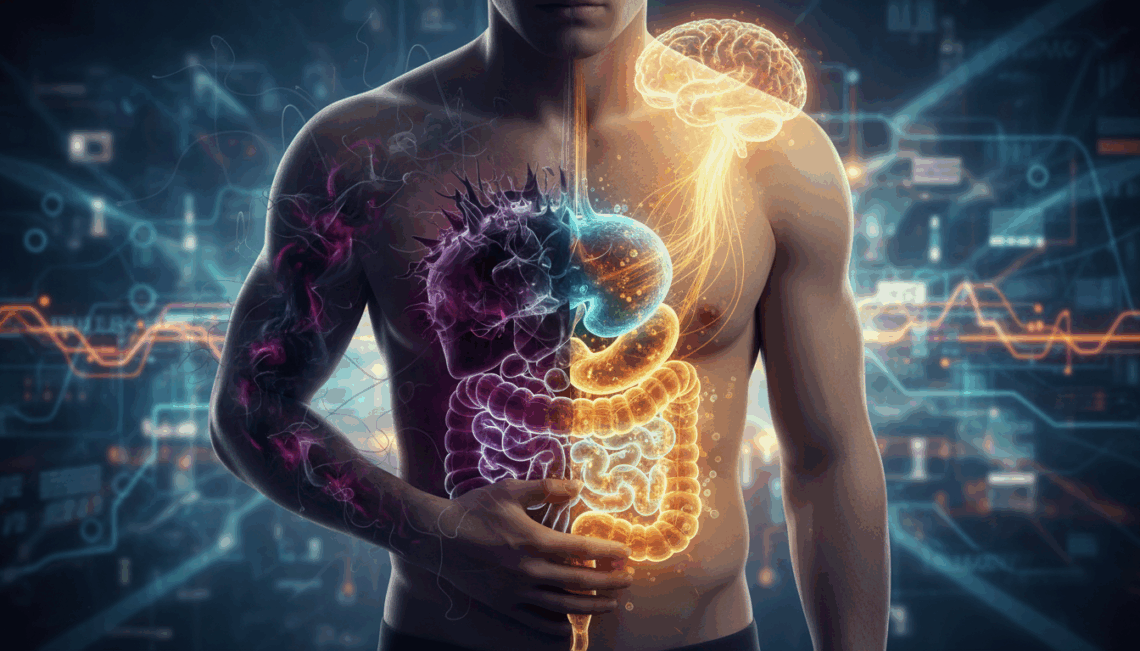
- Mental Clarity: The gut-brain axis is a direct communication line. A balanced gut produces neurotransmitters like serotonin, which impacts mood and happiness.
- Healthy Skin: The gut-skin axis means that internal inflammation often manifests externally as skin problems.
When this delicate ecosystem is disrupted—a condition known as dysbiosis—it can lead to widespread inflammation and a host of health problems. Ignoring these signs is not just about enduring discomfort; it’s about missing critical clues to your long-term health.
5 Key Signs of an Unhealthy Gut You Shouldn’t Ignore
How do you know if your gut is crying out for help? Here are five common symptoms that indicate it’s time to pay closer attention to your digestive health.
1. Persistent Digestive Discomfort
This is the most obvious sign. While occasional gas or bloating is normal, persistent discomfort is not. If you frequently experience symptoms like bloating, gas, diarrhea, constipation, or heartburn, your gut is likely struggling. These issues often indicate that your gut is having difficulty processing food and eliminating waste, which can be a result of an imbalance in gut bacteria.
2. Unexplained Weight Changes
Have you noticed significant weight gain or loss without making changes to your diet or exercise routine? An unhealthy gut can be the culprit. An imbalanced microbiome can impair your body’s ability to absorb nutrients, regulate blood sugar, and store fat. Some types of gut bacteria are more efficient at harvesting calories from food, which can lead to weight gain. Conversely, an overgrowth of harmful bacteria can damage the gut lining, leading to poor nutrient absorption and unintentional weight loss.
3. Skin Irritation and Breakouts
Your skin often reflects what’s happening inside your gut. Conditions like acne, eczema, rosacea, and psoriasis have been linked to gut inflammation. A “leaky gut,” where the intestinal barrier becomes permeable, allows toxins and partially digested food to enter the bloodstream. This can trigger a systemic inflammatory response from the immune system, which then manifests on the skin.

4. Constant Fatigue and Poor Sleep
Feeling tired all the time, even after a full night’s rest? Your gut could be to blame. A significant portion of the body’s serotonin, a hormone that affects both mood and sleep, is produced in the gut. An unhealthy gut microbiome can disrupt serotonin production, leading to poor sleep quality and chronic fatigue. Furthermore, if your body isn’t absorbing nutrients properly due to poor gut health, it won’t have the fuel it needs to function optimally.
5. Mood Swings and Mental Fog
The gut-brain axis is a powerful connection. An imbalance in gut bacteria can affect your mental health, leading to mood swings, anxiety, and difficulty concentrating. Chronic inflammation originating in the gut can impact the brain, contributing to what is often described as “mental fog.” If you find yourself struggling with focus or feeling unusually irritable, it may be time to consider the health of your gut.
What Causes an Imbalance in Your Gut?
Several factors in our modern lifestyle can disrupt the delicate balance of the gut microbiome:
- A Diet High in Processed Foods: Diets rich in sugar, unhealthy fats, and artificial additives can feed harmful bacteria and promote inflammation.
- Chronic Stress: High levels of stress can negatively impact the composition of your gut bacteria and increase intestinal permeability.
- Lack of Sleep: Poor sleep habits can disrupt the natural rhythm of your gut, contributing to dysbiosis.
- Overuse of Antibiotics: While necessary at times, antibiotics can wipe out both good and bad bacteria, upsetting the microbial balance.
- Lack of Dietary Diversity: Eating a narrow range of foods can limit the diversity of your microbiome, making it less resilient.
How to Restore Your Gut Health Naturally
The good news is that you have the power to improve your gut health. Making conscious lifestyle changes can help restore balance to your microbiome and alleviate many of the symptoms of an unhealthy gut.
1. Focus on a Fiber-Rich Diet
Fiber is essential fuel for beneficial gut bacteria. Incorporate a wide variety of plant-based foods into your diet, including fruits, vegetables, whole grains, nuts, and seeds. These foods provide prebiotics, which are non-digestible fibers that feed your good bacteria.
2. Incorporate Probiotic and Prebiotic Foods
Probiotics are live beneficial bacteria found in fermented foods like yogurt, kefir, sauerkraut, kimchi, and kombucha. Consuming these foods regularly can help replenish the good bacteria in your gut. Prebiotic foods, like garlic, onions, bananas, and asparagus, provide the necessary food for these bacteria to thrive.
3. Manage Stress and Prioritize Sleep
Adopting stress-management techniques such as meditation, deep breathing exercises, or yoga can have a positive impact on your gut. Aim for 7-8 hours of quality sleep per night to allow your body, including your digestive system, to rest and repair.
Beyond Probiotics: The Role of Postbiotics for Gut Health
While prebiotics (the fuel) and probiotics (the good bacteria) are well-known, there’s a third, crucial component in gut health: postbiotics. Postbiotics are the beneficial compounds that are produced when probiotics feed on prebiotics. Think of them as the “end product” of this healthy fermentation process.
These compounds include short-chain fatty acids like butyrate, vitamins, and other metabolites that directly support the health of your gut lining, reduce inflammation, and strengthen your immune system. The challenge with traditional probiotics is that they can be fragile; many don’t survive the harsh acidic environment of the stomach to reach the intestines where they are needed most.
This is where a direct postbiotic approach can offer a more stable and efficient solution, delivering the beneficial compounds exactly where they need to go to start working immediately.
A Targeted Approach to a Balanced Gut
For those looking for a powerful, science-backed way to support their gut health, a dedicated supplement can provide targeted ingredients that go beyond diet alone. PrimeBiome is a revolutionary formula designed around the power of postbiotics. It delivers Tributyrin, a potent and bioavailable form of the short-chain fatty acid butyrate, directly to your intestines.
This key ingredient helps nourish the cells of your gut lining, reinforcing the intestinal barrier and combating the effects of a “leaky gut.” By focusing on a postbiotic strategy, PrimeBiome ensures that you get the direct benefits for digestive comfort, skin clarity, and overall well-being, without the viability issues that can come with some probiotic supplements.
It provides a direct, effective way to help rebalance your gut ecosystem, addressing the root causes behind many of the signs of an unhealthy gut. It’s a modern solution for a modern problem, designed to help you feel your best from the inside out.
Conclusion: Your Path to Better Digestive Wellness
Listening to your body is essential for long-term health. The signs of an unhealthy gut—from digestive upset to skin problems and fatigue—are not symptoms to be ignored. They are important messages telling you that your body’s central wellness hub needs support. By adopting a gut-friendly diet, managing stress, and considering targeted support from advanced formulations, you can restore balance to your microbiome and experience a profound improvement in your overall health.
Your journey to a happier, healthier gut starts with recognizing the signs and taking proactive steps. Always remember to consult with a healthcare professional before starting any new supplement regimen or making significant changes to your diet, especially if you have pre-existing health conditions.