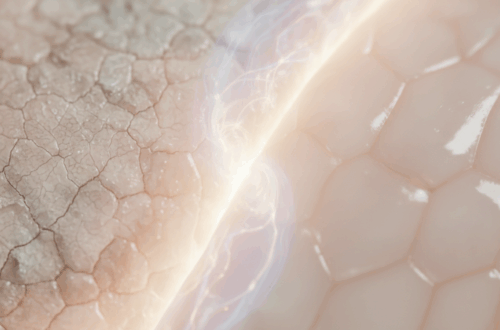

What is Crepey Skin and How to Combat It
It’s a concern many people develop with age, yet it’s often misunderstood. We’re talking about crepey skin—that thin, finely wrinkled skin that resembles crepe paper. It can show up on your arms, neck, chest, and even your knees, making you feel self-conscious and older than you are. You may have tried countless lotions and creams, only to find they offer little to no lasting improvement. This is a common frustration, and it often stems from not understanding what causes crepey skin at its core.
While most topical solutions only address the surface, the real issue lies much deeper, at a cellular level. To truly make a difference, you have to look beyond surface hydration and start supporting your skin from the inside out. In this guide, we’ll explore the fundamental reasons behind crepey skin and discuss a comprehensive approach to restoring its firmness and resilience.
First, What Exactly Is Crepey Skin?
It’s important to distinguish crepey skin from normal wrinkles. While expression lines and wrinkles are typically caused by repetitive muscle movements (like smiling or frowning), crepey skin is a broader issue of skin texture and quality. It feels thin, fragile, and loose, and it doesn’t bounce back easily when stretched.
Think of a fresh, plump grape versus a raisin. The grape’s skin is smooth and firm because it’s full of moisture and has a strong internal structure. The raisin, having lost that internal support and hydration, has skin that is wrinkled and collapsed. Crepey skin is a similar phenomenon affecting your body’s largest organ.
The Primary External Culprit: Sun Damage
If there is one single, dominant factor in the development of crepey skin, it’s long-term sun exposure. Ultraviolet (UV) radiation from the sun is the number one enemy of healthy collagen and elastin—the two essential proteins that give your skin its structure and elasticity.
How UV Rays Degrade Your Skin
UV rays penetrate the skin and trigger the production of free radicals. These unstable molecules wreak havoc on a cellular level in a process called oxidative stress. They actively break down existing collagen and elastin fibers and, even worse, they damage the very cells responsible for producing new ones.
Over years of exposure, this damage accumulates. The supportive lattice that keeps your skin firm and smooth begins to weaken and fall apart. Without this strong foundation, the skin thins out and loses its ability to hold moisture, leading directly to that signature crepe-paper texture. This is why crepey skin is most common on areas frequently exposed to the sun, like the forearms, neck, and décolletage.
Intrinsic Aging: The Unseen Cellular Slowdown
While sun damage is a powerful accelerator, a natural, internal aging process also plays a significant role. As we get older, our body’s biological functions begin to slow down, and this includes the processes that keep our skin youthful and resilient.
Starting in our late 20s, our bodies produce about 1% less collagen each year. Elastin production also diminishes, and the skin becomes less efficient at producing hyaluronic acid, a natural molecule that helps it retain moisture. This combination of factors—less structural protein and less hydration—contributes to the thinning and sagging associated with crepey skin.
The Hidden Driver: What Causes Crepey Skin at a Cellular Level?
We’ve discussed the “what” (collagen and elastin loss), but to truly understand the root cause, we need to ask “why.” Why does our skin’s ability to repair itself and produce these vital proteins decline so dramatically? The answer often lies in our mitochondria.
Mitochondria are the tiny “power plants” inside every one of our cells, including our skin cells (fibroblasts). They are responsible for generating the cellular energy, known as ATP, that fuels every single biological process, from cell repair to the synthesis of new collagen. When you’re young, your mitochondria are abundant and efficient, providing plenty of energy to keep your skin vibrant and self-renewing.
However, as we age and accumulate damage from factors like UV exposure and environmental toxins, our mitochondrial function declines. These cellular power plants become less efficient and fewer in number. This creates an “energy crisis” within the skin. Without adequate energy, your fibroblasts can’t produce collagen and elastin effectively, no matter what creams you apply. The cellular machinery for skin repair essentially runs out of fuel, and the visible result is thin, weak, crepey skin.

Can Lifestyle Changes Help Combat Crepey Skin?
Absolutely. While you can’t turn back the clock on intrinsic aging, you can adopt habits that protect your skin and support its underlying health. A holistic approach is always the most effective.
1. Prioritize Sun Protection
This is non-negotiable. Using a broad-spectrum sunscreen with an SPF of 30 or higher every single day is the most important thing you can do to prevent further damage to your collagen and elastin.
2. Hydrate Inside and Out
Drinking plenty of water helps keep your skin cells plump and functioning optimally. Topically, use moisturizers with ingredients like hyaluronic acid and ceramides. These humectants draw moisture into the skin and strengthen its natural barrier, which can temporarily improve the appearance of fine lines.
3. Eat an Antioxidant-Rich Diet
Consuming foods rich in antioxidants, such as berries, leafy greens, and colorful vegetables, can help your body fight free radical damage from the inside. Vitamins C and E are particularly crucial for skin health.
4. Gentle Skincare
Avoid harsh scrubs and cleansers that can strip the skin of its natural oils and damage its delicate moisture barrier. Opt for gentle, hydrating products. Ingredients like retinol can be beneficial as they stimulate collagen production, but it’s best to start slowly and consult a dermatologist, as they can be irritating for some.
When Topical Solutions Aren’t Enough: A Deeper Approach
Lifestyle changes and topical treatments are important parts of the puzzle. They can help manage the symptoms and slow down future damage. However, if your skin is already showing significant signs of crepiness, it’s a strong indicator that the internal, cellular “energy crisis” is already well underway.
This is where many people get stuck. They do everything right on the outside, yet the underlying problem—sluggish mitochondrial function and a lack of cellular energy for repair—remains unaddressed. To truly restore the skin’s structure, you need to provide it with the specific building blocks and energetic support it needs to rebuild from within.
Supporting Your Skin from the Inside
A new frontier in skincare science focuses on nourishing the skin at the cellular level through targeted supplementation. This approach isn’t about just taking a generic multivitamin; it’s about using specific, clinically studied ingredients that are known to support mitochondrial health and boost the skin’s natural regenerative capabilities.
By providing your body with compounds that help protect and rejuvenate mitochondria, you can help refuel your skin’s cellular power plants. This, in turn, can provide the energy your fibroblast cells need to get back to their primary job: producing the high-quality collagen and elastin that gives skin its firm, smooth, and youthful structure. It’s a strategy that tackles the root cause, rather than just masking the symptoms.
Conclusion: A Comprehensive Strategy for Smoother Skin
Understanding what causes crepey skin is the first step toward effectively treating it. It’s not just a surface-level issue of dryness; it’s a deep, structural problem rooted in the decline of collagen, elastin, and the cellular energy needed to produce them. While external factors like sun damage are major contributors, the internal process of mitochondrial slowdown is the hidden driver.
Therefore, the most effective strategy is a two-pronged attack. First, protect your skin from the outside with diligent sun protection and gentle, hydrating skincare. Second, and most crucially, support your skin’s regenerative engine from the inside by addressing its cellular energy needs. By combining these approaches, you give your skin the best possible chance to rebuild its foundation and restore a smoother, firmer, and more resilient appearance.