Understanding the Frustration of Stubborn Fat
It’s a story many of us know all too well. You commit to a healthier lifestyle, you clean up your diet, and you stick to a consistent exercise routine. You see progress, the number on the scale moves, but there’s one thing that just won’t budge: that stubborn, dimpled skin on your thighs, buttocks, or stomach. This is the core of the struggle, and it leads many to ask how to get rid of stubborn cellulite when it feels like you’re already doing everything right. This isn’t just about aesthetics; it’s about the feeling of being stuck, despite your best efforts.
Cellulite is incredibly common, affecting a vast majority of women at some point in their lives, regardless of their size or weight. Yet, it remains one of the most misunderstood and challenging cosmetic concerns. The frustration is valid because the common advice often falls short, leading to a cycle of trying and failing that can be demoralizing. Before we can explore effective solutions, it’s crucial to understand what cellulite actually is and why it’s so notoriously persistent.
What Is Cellulite, and Why Is It So Stubborn?
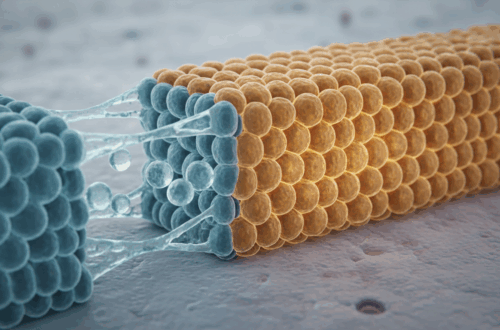
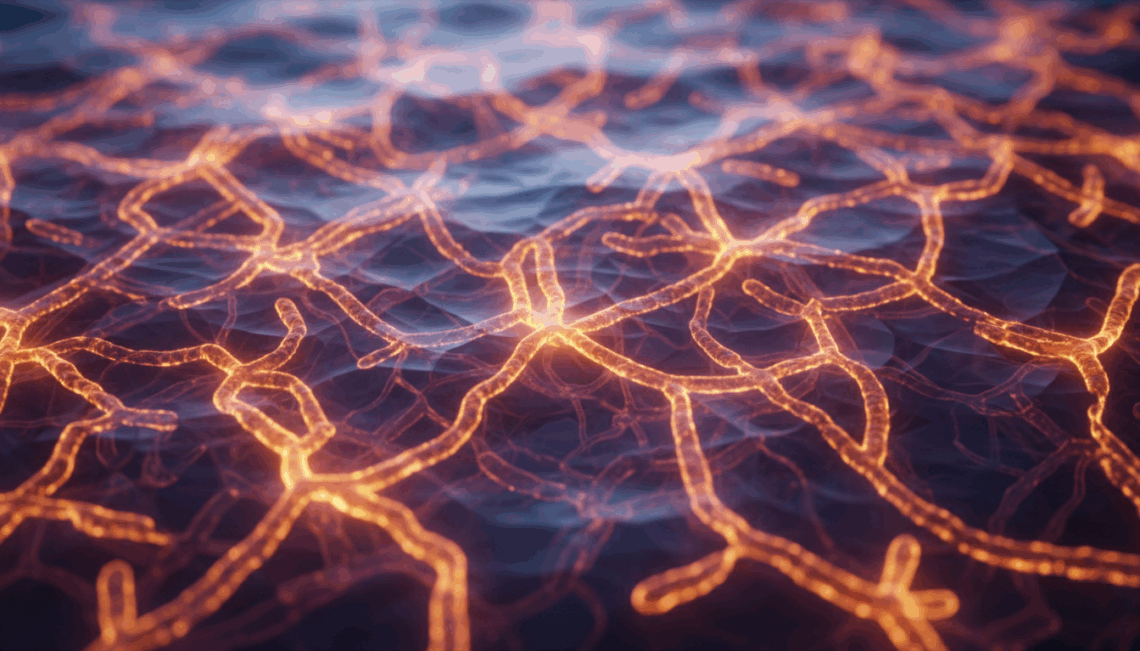
To effectively tackle this issue, we need to look beneath the skin. Cellulite is not just excess fat; it’s a structural issue. It occurs when fat deposits push through the connective tissue (collagen fibers) that anchors the skin to the muscle underneath. These fibers, known as septa, can form a web-like structure. In women, these fibers often run vertically, creating small, separated chambers. When fat cells in these chambers enlarge, they bulge upwards, creating the characteristic “orange peel” or “cottage cheese” texture on the skin’s surface.
Several factors contribute to its formation and visibility:
- Genetics: Your genes play a significant role in your skin structure, body fat distribution, and predisposition to cellulite.
- Hormones: Estrogen is believed to play a part in the development of cellulite, which is one reason it’s far more common in women than men.
- Lifestyle: A sedentary lifestyle and a diet high in processed foods can worsen the appearance of cellulite by affecting circulation and increasing fat storage.
- Age: As we age, our skin loses elasticity and the connective tissue can weaken, making cellulite more visible.
Understanding this structure is key to realizing why just losing weight doesn’t always solve the problem. You can shrink the fat cells, but the underlying connective tissue structure remains, meaning the dimpled appearance can persist.
Why Standard Approaches Often Miss the Mark
If you’ve been wondering how to get rid of stubborn cellulite, you’ve likely encountered a dizzying array of creams, lotions, and manual massagers. While some of these might offer temporary improvements in skin texture by increasing blood flow or moisturizing the skin, they rarely address the root cause. Most topical creams cannot penetrate deep enough to alter the structure of the fat cells or the connective tissue.
Similarly, while diet and exercise are fundamental for overall health and reducing body fat, they might not be enough to target these specific, localized areas. You can’t “spot-reduce” fat from one part of your body through exercise alone. Crunches won’t magically melt belly fat, and squats won’t eliminate thigh cellulite entirely if the underlying cellular conditions remain unfavorable for fat release. This is the wall that so many people hit, leading them to believe the fight is hopeless. But what if the problem isn’t your effort, but the focus of your approach?

The Cellular Connection: Your Metabolism’s Master Switch
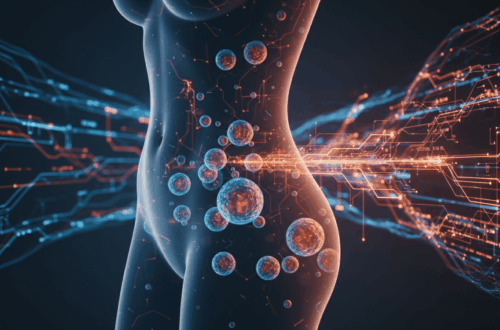
The real breakthrough in understanding stubborn fat lies deeper, at the cellular level. Inside our cells are tiny powerhouses called mitochondria. Their primary job is to convert fat and sugar into usable energy for your body. When your mitochondria are functioning optimally, your body is an efficient fat-burning machine. However, factors like age, diet, and stress can slow them down.
Furthermore, our bodies have a “master metabolic switch” known as AMP-activated protein kinase (AMPk). When AMPk is activated, it signals your body to stop storing fat and start burning it for energy. Think of it as the controller that tells your cells whether to go into “storage mode” or “burn mode.” In people with stubborn fat, this switch is often sluggish or turned off in specific areas, making it nearly impossible to release the fat stored in those cells, no matter how much you exercise.
This is the missing link for so many. The question of how to get rid of stubborn cellulite isn’t just about burning calories; it’s about reactivating this cellular machinery and supporting your mitochondria so they can do their job effectively. The solution may not be about working harder, but about providing your body with the right signals to flip that switch back on.
A Modern Approach: Supporting Your Body’s Fat-Burning Engine from the Outside In
Given this new understanding, a different strategy emerges. Instead of just focusing on diet or surface-level treatments, what if we could support the metabolic processes directly within the problem areas? This involves using targeted ingredients that can be absorbed through the skin to help activate the AMPk pathway and support mitochondrial health right where you need it most.
This is where new scientific advancements come into play, offering a way to complement your healthy lifestyle. One such innovation is Mitolyn, a topical serum designed specifically around this principle.
Introducing Mitolyn: A Lipid-Lowering Serum
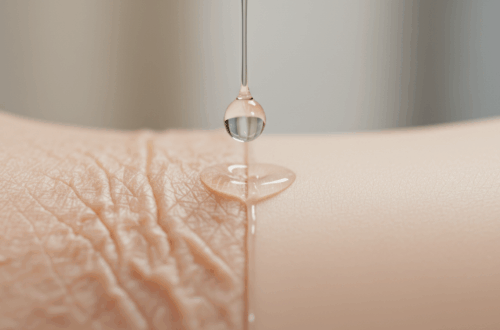
Mitolyn is not just another skincare cream. It is a targeted serum formulated to deliver powerful, naturally-derived compounds directly to the areas where you struggle with stubborn fat and cellulite. Its goal is to work with your body’s own biology by helping to activate the AMPk metabolic switch and support the fat-burning capabilities of your cells.
The key ingredient is a proprietary extract derived from a unique variety of purple tea found in Kenya. This tea is exceptionally rich in specific polyphenols, including anthocyanins and GHG, which have been studied for their potential to influence metabolic pathways. By delivering these compounds in a concentrated serum, the formula aims to:
- Support AMPk Activation: Help flip the switch from fat storage to fat burning.
- Promote Mitochondrial Health: Assist your cellular powerhouses in converting fat into energy more efficiently.
- Aid in Reducing the Appearance of Cellulite: By addressing the underlying issue of trapped fat, it helps smooth the skin’s appearance over time.
Applying the serum topically allows for targeted action, focusing its benefits on the legs, stomach, or arms—the very places where diet and exercise often fall short.
How to Maximize Results with a Holistic Strategy
While an advanced serum like Mitolyn offers a targeted tool, it works best as part of a comprehensive approach. To truly understand how to get rid of stubborn cellulite, you must combine modern science with foundational health principles. This creates a synergistic effect where every part of your routine supports the others.
Complementary Lifestyle Factors
1. Stay Hydrated: Water is essential for healthy circulation and skin elasticity. Proper hydration helps flush out toxins and can improve the overall texture of your skin, making cellulite less noticeable.
2. Anti-Inflammatory Diet: Focus on a diet rich in antioxidants, vitamins, and minerals. Foods like leafy greens, berries, lean proteins, and healthy fats help support cellular health and reduce inflammation, which can contribute to the appearance of cellulite.
3. Consistent Movement: Combine cardiovascular exercise with strength training. Cardio helps burn fat, while strength training builds muscle. More muscle tone can help tighten the skin and create a smoother surface, reducing the visibility of dimples.
4. Promote Circulation: Activities like dry brushing or regular massage can help stimulate blood flow and lymphatic drainage in affected areas. This can be a supportive habit alongside the use of a targeted serum.
A New Path Forward for a More Confident You
The journey to smoother skin and less stubborn fat doesn’t have to be a source of endless frustration. By shifting your focus from a surface-level battle to a deeper, cellular strategy, you can work with your body instead of against it. Understanding the role of mitochondria and the AMPk metabolic switch is the first step. The second is using a targeted tool like Mitolyn to provide the support your cells need right where it counts.
This is more than just chasing an aesthetic goal; it’s about reclaiming your confidence and feeling good in your own skin. It’s about honoring the hard work you put in with your diet and exercise by adding a final, crucial piece to the puzzle. By combining a healthy lifestyle with modern, science-backed solutions, you can finally find an effective answer to the question of how to get rid of stubborn cellulite.
Disclaimer: The information provided in this article is for educational purposes only and is not intended as a substitute for professional medical advice, diagnosis, or treatment. Always seek the advice of your physician or other qualified health provider with any questions you may have regarding a medical condition. Individual results may vary.